
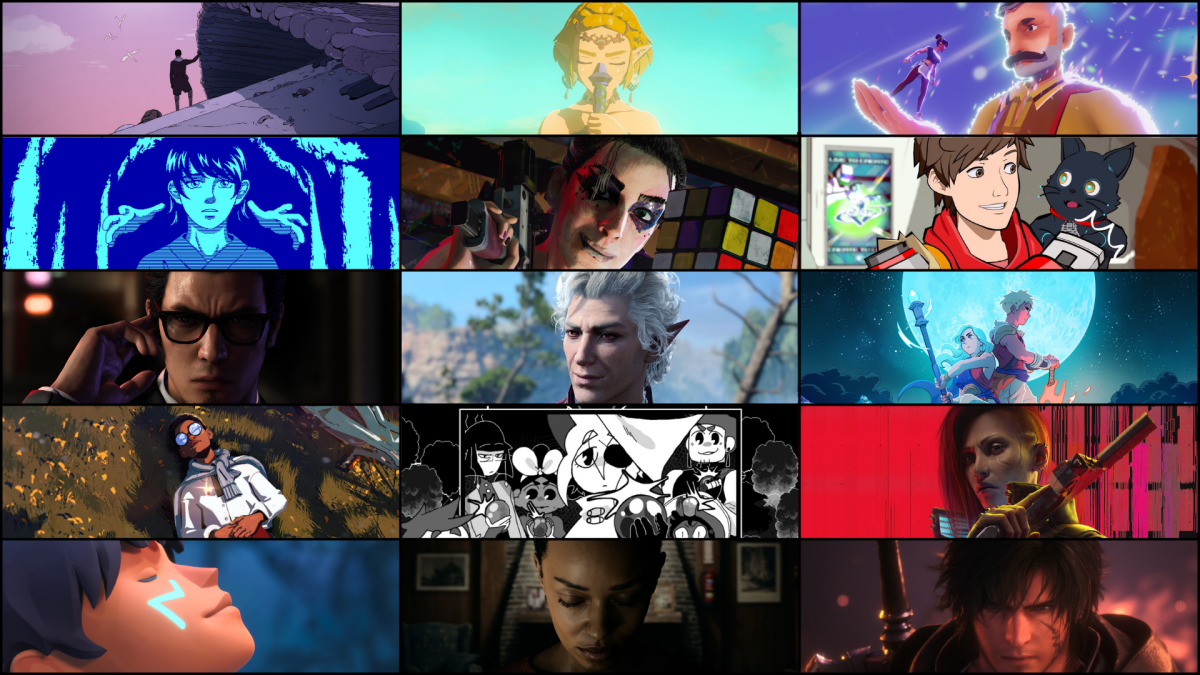
Following the roundups of 2020, 2021, and 2022, past contributors and a few guests get together to break down 2023 with short stories.
This time, we’re doing things a bit differently. A few entries aren’t about a specific video game. We’ve also asked each writer if they wanted to include a specific call to action with their blurb.
In the verge of a new year, the need for solidarity, as our first entry encapsulates, as well as not staying silent over atrocities like the genocide in Gaza, is ever-growing. Each voice, each message of support, each donation petition signature matters.
These are the stories of 2023 — told by 71 writers around the world.

Foreword
It’s been an outstanding year for video games. It’s hard to comprehend just how stellar the releases have been, but it’s not without cost. It’s been a truly terrible year for the folks who made some of our favorite games. From developers to community teams, the industry has seen an unprecedented amount of layoffs, corporate fuckery, and poor work cultures.
While I want to use my time to here to highlight some of my favorites this year, I’d be remiss if I didn’t use this as a moment to remind you to check in on the folks making your favorite experiences. See how they are doing, if they need any help, and to remember to always lead with compassion, not just in the bad times, but in the good times too.
By Jesse Vitelli
Recommended read: A Year Later and This FFXIV Endwalker Moment Still Gives Me Chills
Editor’s note: See also – Video game company layoffs are creating an industry crisis /// Over 6,000 games industry jobs lost in 2023 so far /// Why Me? A Narrative Feature About Games Media Layoffs

Paranormasight
Paranormasight is a stylish horror adventure game in which ancient artifacts resurface in 1980s Japanese suburbia. As usual for the genre, some of the curses don’t seem to make much sense. They’re so old as to be completely alien. But unlike other occult stories, we don’t just run from these forgotten horrors.
Understanding the origins of these stories becomes our objective instead. Collecting the stones that carry the curses grants us knowledge of their inner working, but the real mystery starts when we try to understand the perspective of those who created the curses.
To survive the evil of Paranormasight’s past is to understand it. We must beat fear with curiosity and an open mind. If we don’t, fear will divide us, and distrust will further isolate us, until we die scared and alone.
By Diana Croce
Recommended read: New Vegas, My Favorite Asset Flip

Dredge
Something is wrong with the fish.
Cankered crabs, tumorous eels and carp so encrusted with pustules that they can barely swim are hauled aboard. They palsy in a salty, dying mass on the deck. Parasites slither through ballasts and bulwarks, contaminating your catch with an unnameable aquatic malaise.
Aberration is on the fog, the eyes leering in the night are not human, and the man in the lonely house is not what he seems.
There is something profane about reaching out and touching the unknown in the way that Dredge requires of you. Dredge is about loss, about the awful depths we might plumb to subvert it – to take back that which was claimed by the sea.
The sea does not relinquish its bounty easily however, and attacks on the natural order of life and death will not go unanswered.
The fog thickens, the ocean boils with spite. The fish get wronger.
Dredge is a game about the danger of pushing too hard; holding too tight. It’s about the pitfalls of obsession, the unknowable implacability of the sea and how sometimes, the best we can hope for is the strength to let go.
By Evan Ahearne
Recommended read: Tender Normalcy
Street Fighter 6
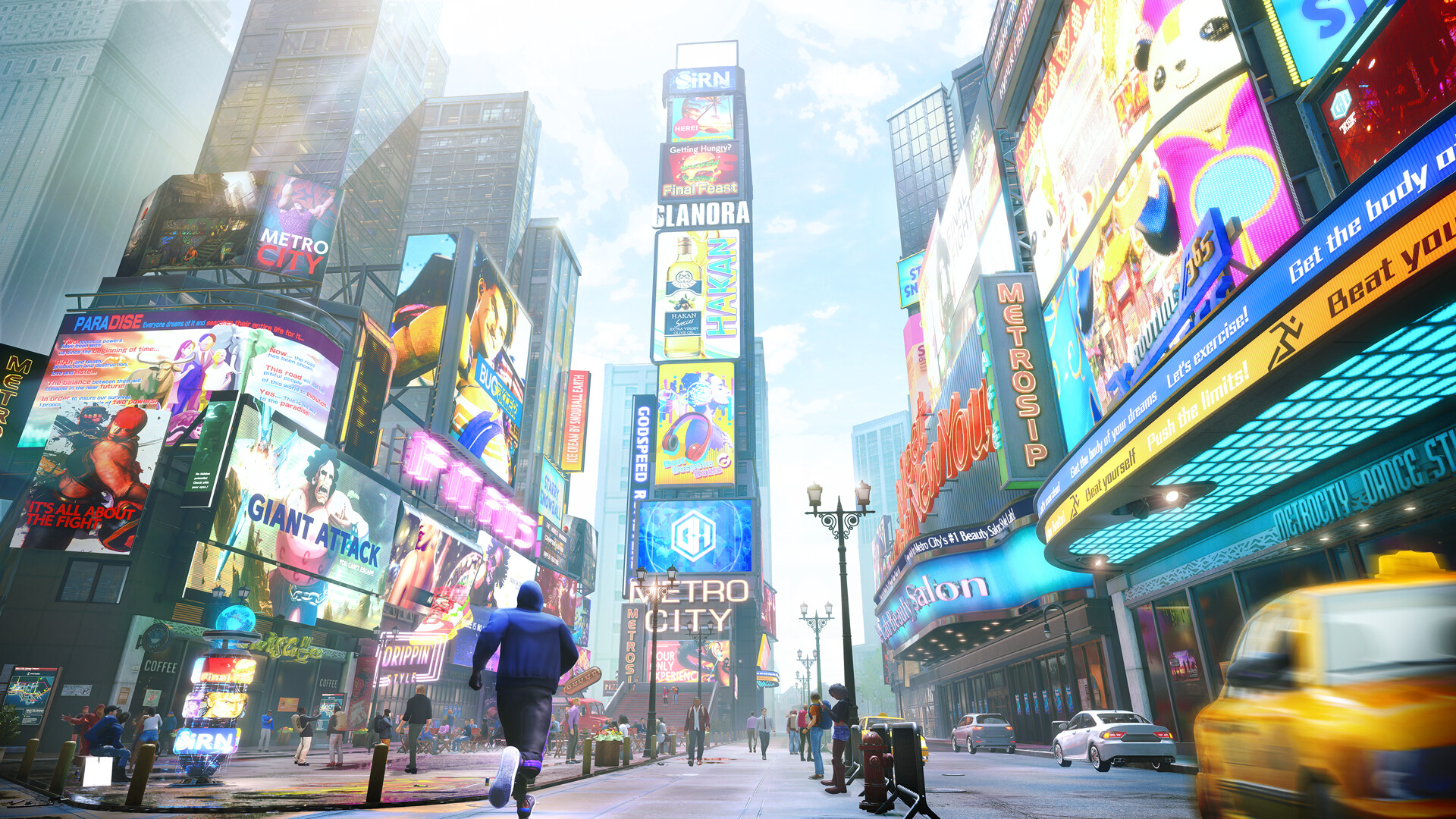
Maybe it’s because my main, Chun Li, finally has all of her commands accumulated over the past three decades available with inputs that feel just right, or that in French fashion Manon I’ve finally found a grappler I can play, or that I’m actually good enough to make it to Platinum in ranked. Having also sought opportunities to play Street Fighter 6 in person at gaming events since it was first revealed last year means I’ve only appreciated even more the difference it makes when your competition is right next to you in the same room. Fighting games, there’s nothing else like it.
By Alan Wen
Recommended read: The femme creatives who built Immortality, and how they did it
Misericorde: Volume One
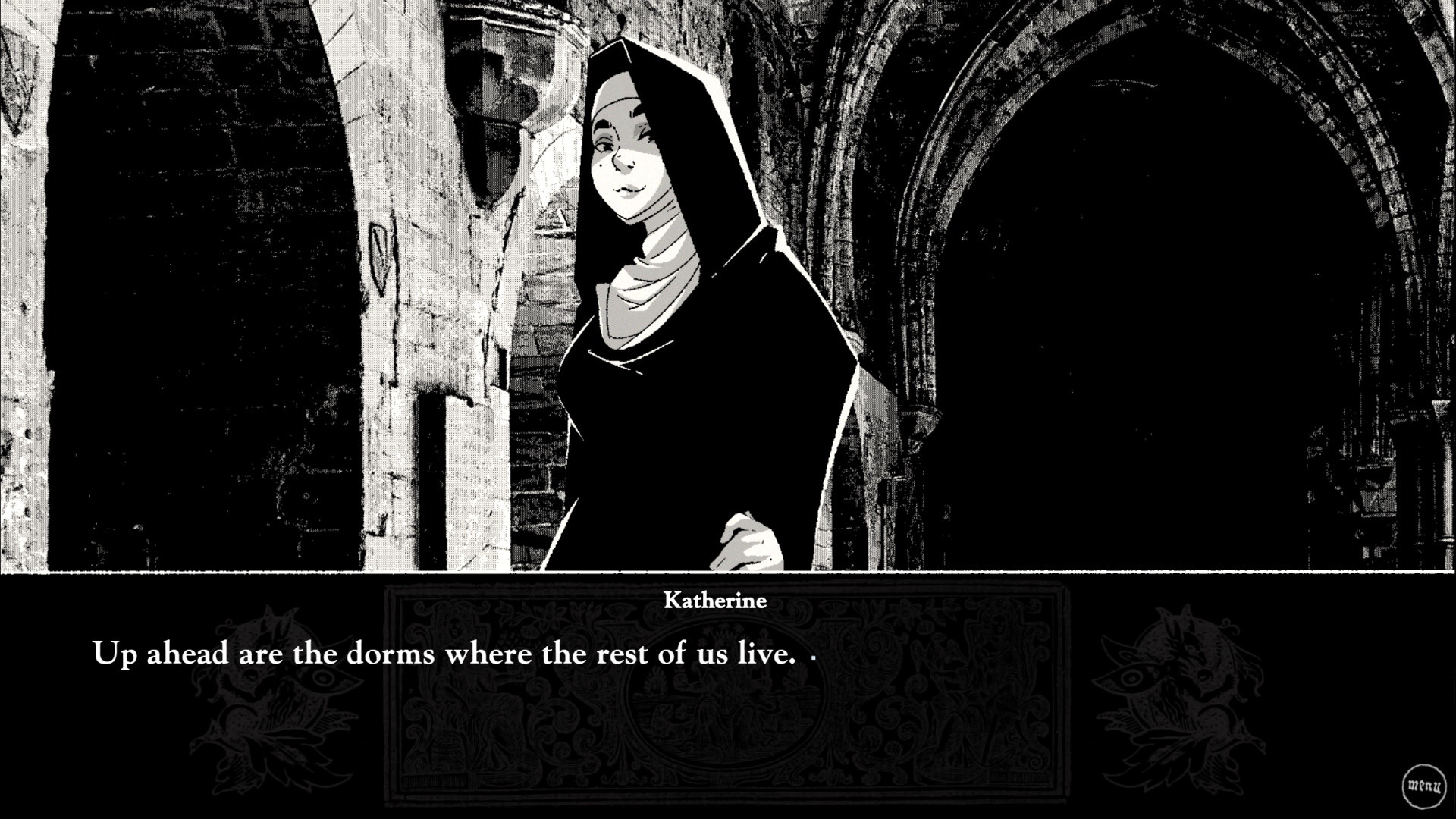
Misericorde is about perspective. We see events through the eyes of Hedwig, an anchoress in 15th century England forced to leave seclusion to help solve a murder. While her views are initially as constricted as the narrow slit in her cell she’s witnessed the world through, we watch as her pristine outlooks on religious doctrine and monastic life are challenged by the messiness and misogyny of the real thing. It’s this ability to so precisely convey her headspace that makes the first chapter of this visual novel impossible to put down, and despite being about a gruesome killing set against a compelling historical backdrop, we’re mainly pulled into this mystery because this story puts us in its protagonist’s shoes with such empathy. From its capacity to draw us into the inner workings of this fractured convent to its excruciating social situations, this one cuts deep.
By Elijah Gonzalez
Recommended read: Killing the Vampire
Humanity
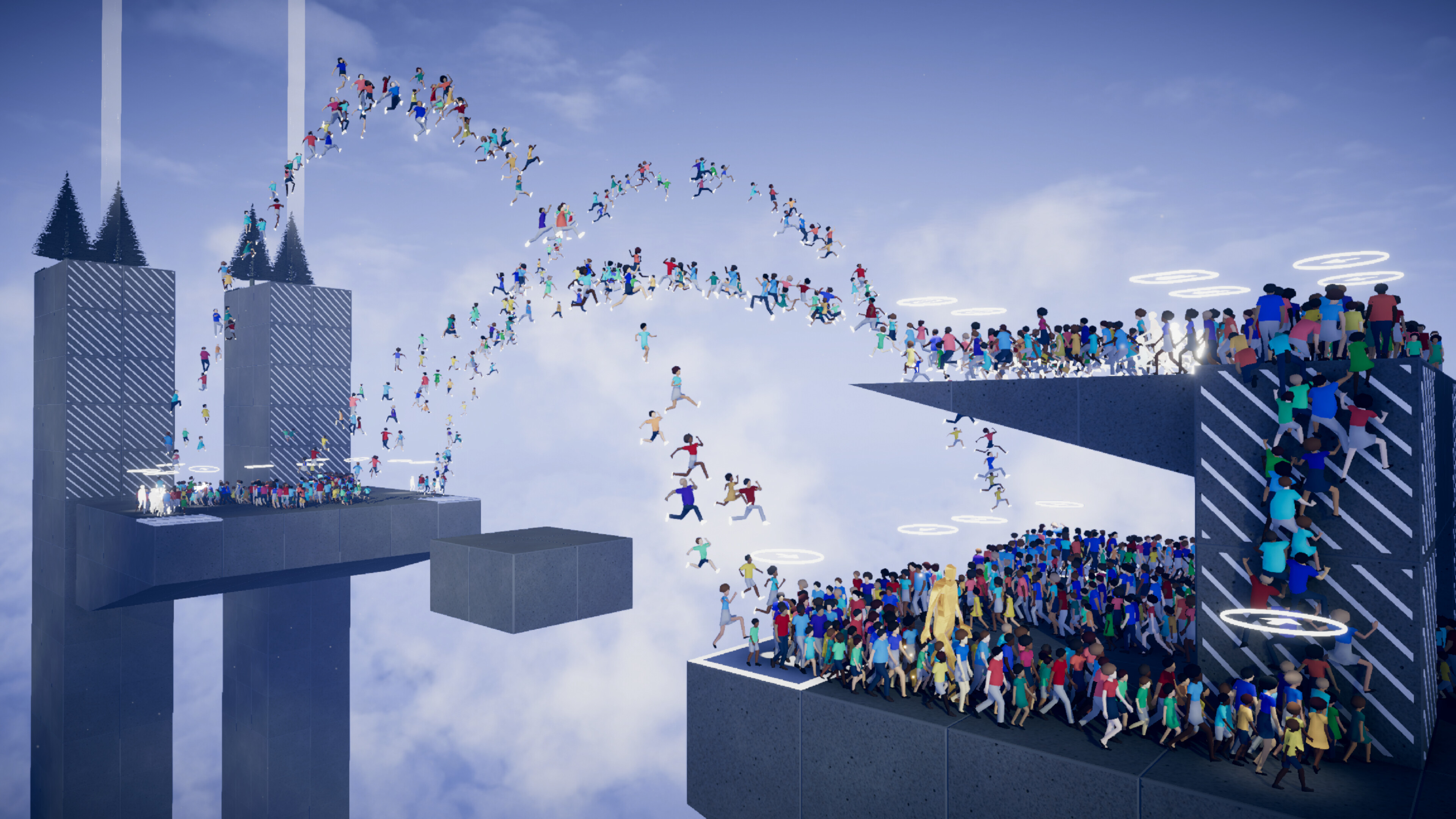
Puzzle games offer satisfaction in solution. With Humanity, this becomes something transcendent. In its gorgeous, minimalist aesthetic, the endless processions of tiny people are a river in flow. When it glides smoothly to the finish, it is under your careful managing that the watercourse has found its way. As you progress through stages marking the development of the human race, the tiny people start to take on new abilities. Before long, you are shepherding children who do not act as they once did. When the mechanics combine and twist into new forms for ‘boss battles’, it is palpable that this is a singular experience with a unique beauty.
By Ben Jackson
Recommended read: Frostpunk
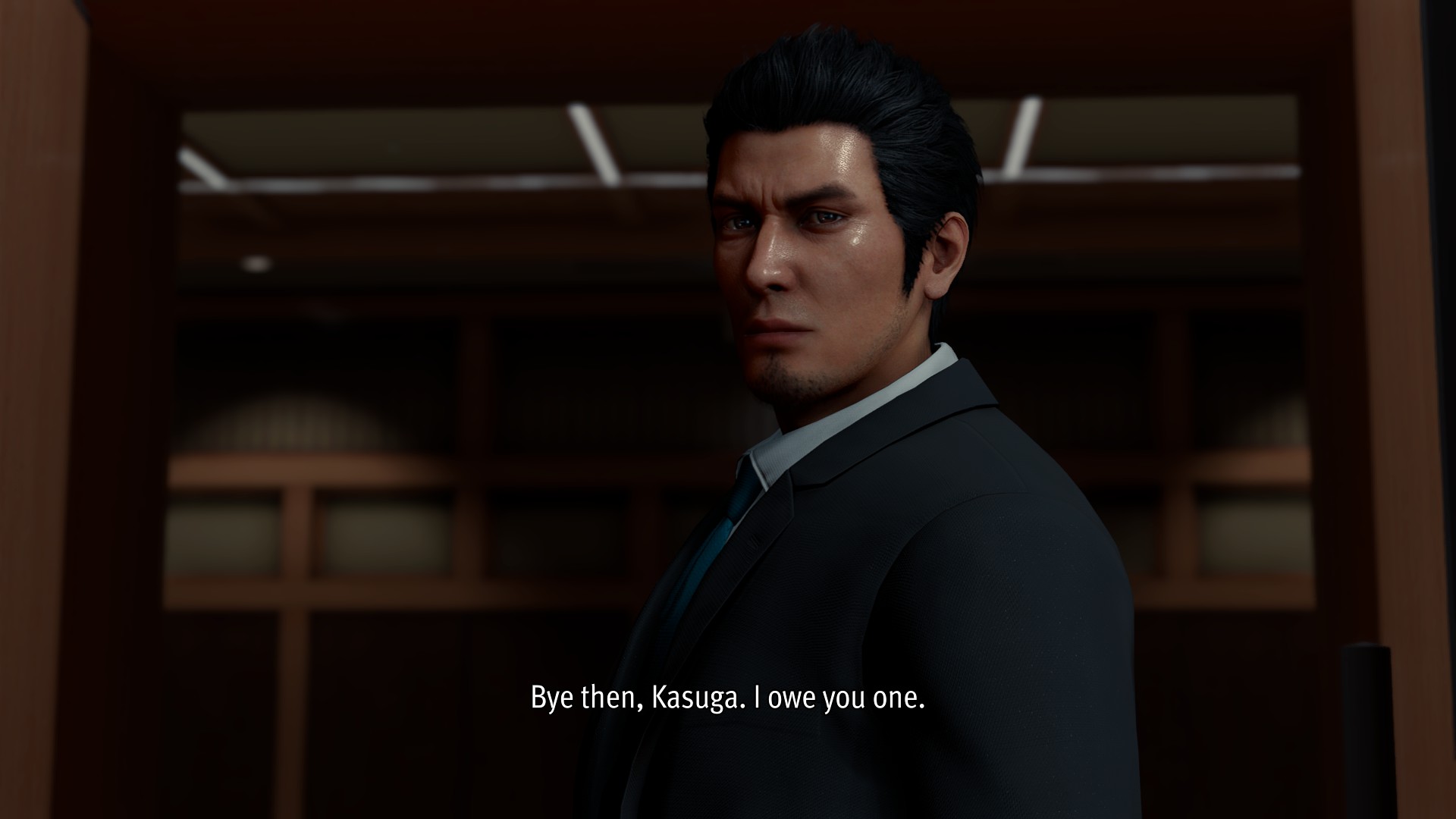
Like a Dragon Gaiden: The Man Who Erased His Name
Asking just what it means to be a yakuza in the ever-changing modern world of Japan, Like A Dragon: Gaiden’s answer is clear: the times have moved on, leaving the traditions of organised crime a relic of a bygone age. The heroic introduction of Ichiban Kasuga seemed to be an embracing of this, with the series even dropping the Yakuza name from this point on, yet here stands Gaiden – hypocritical of its own themes. The times have moved past Kazuma Kiryu’s long and painful life, but instead of finally passing the torch in a conclusive, arc-closing swan song of a spin-off, Ichiban will soon be forced to share the light with his legendary predecessor, despite his vitality slowly fading away. Perhaps it’s time to let sleeping dragons lie, and allow the heroes of tomorrow to take the stage – alone.
By Ashley Schofield
Recommended read: Making Space
From the author: I’d like to shout out Overlode (rest in peace) and its founders Harry Mitchell, Danielle Partis, and Jordan Middler for providing an incredible platform for new and upcoming writers, creating a welcoming community to embolden relationships between games journalists and (selfishly) giving me the opportunity to start my career at all.
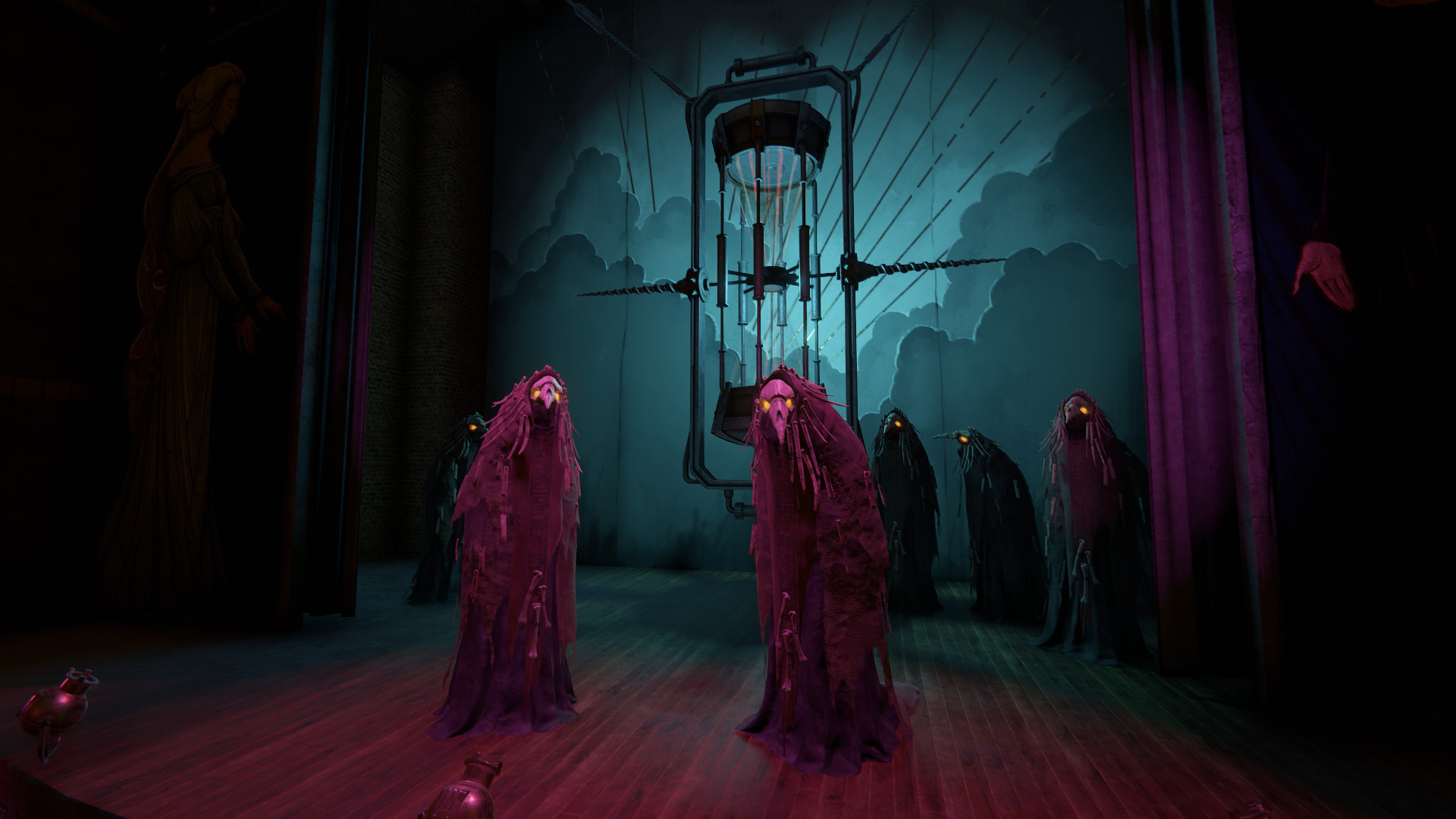
Pathologic 2
Yulia was brought to the town to plan its paths. However, her task wasn’t simply that of an urbanist trying to facilitate the circulation of goods, workforce, and customers. On the contrary, the ultimate aim of her project was to shape the citizens’ souls by affecting their mood, moulding them into higher beings through the influence of the town’s atmosphere.
Peter, the architect who designed a tower defying the laws of gravity, can be found in an industrial building. When we approach it, we can see tall chimney stacks shooting up and melting with the sky, which contrast with the many flights of stairs leading to the underground bar. The abrupt juxtaposition of upward and downward motion, a vertical surge, confuses us, blurring bodily boundaries, and turning stable outlines into dynamic flows. Inside, we can drink a kind of liquor that blunts all the senses other than hearing, which becomes so sharp as to let us detect the voices from the other side of the river Styx. The atmosphere of the place, through alcohol, transforms us into pure spirits deprived of any link with the material world – perceived by sight, smell, and touch – and attuned only to the subtle vibrations of the air.
I look out my window and see a typical Polish block of flats. It represents Modernism and its fascination with geometry and movement as its many rectangular forms offer no anchor to the constantly shifting motion of the eye; socialism with its utopian aim to create a new kind of human being; and sometimes – when the sun hits the wall at a proper angle, turning it into an ethereal surface radiating frenzied yellow or deep orange that verges on bloody red – the building becomes a monument to an unknown solar god. Just like the grain silos located nearby, resembling immense columns surrounding a temple devoted to some agrarian, or industrial, deities.
As it turns out, places – both virtual and real – cannot be reduced to objects and topographies. They are, above all, atmospheres.
By Bartłomiej Musajew
Recommended read: Blood Swamp
Editor’s note: This entry is a extract from an article by the author, originally written in Polish

Pseudoregalia
Pseudoregalia embodies the feeling of looking at a fire escape and thinking “I could totally get up there right now” and here, instead of just walking by and overcoming your impulsive, yet of course very true thought, you laser focus, banging your lucky rabbit leg against a cliffside overlooking some nondescript purple goo. You’re not really off to the races yet until you get your slide jump, but when you do you can get to all sorts of places the game “doesn’t” want you to get to yet and it feels triumphant when you stubbornly make a goal for yourself just by glaring at a ledge with what ability you have right now and pushing how far you can get before you realize you don’t know how to get back. The low-poly platforms and static skybox invite you to try, clearly and concisely, to get up there, and have fun doing it.
By Althemar Gutierrez
Recommended read: The Best and Worst of Timelines

Jusant
As much as I love 2012’s Journey, it has a mixed legacy in how it’s so easy to take too much inspiration from it that you often end up with games that lack unique identities of their own. Jusant succeeds by taking just the core lessons (short length, simple gameplay, trekking through a broken world, excellent soundtrack and art design), while also making radical changes that truly set it apart (collectibles with written lore that explain what happened before you arrived, interactive wildlife, and tricky but rewarding level design). Kudos to developer Don’t Nod for one of the year’s best surprises.
By Van Dennis
Recommended read: Mechanical Sympathy
From the author: Good Vibes Only

Shadows of Doubt
Shadows of Doubt feels like the first game to truly attempt Warren Spector’s “One Block Role-Playing Game” dream. Entire apartment buildings filled with citizens with fully simulated lives to live. Office buildings tower over vending machine-laden streets. The neon glow of diners and bars shelter people spending their late nights and meagre pay checks, watching the world pass by outside the rain-soaked windows. You’d could almost forget the emergent storytelling potential of the intricate detective-based systems, as you take P.I. photography gigs to afford food while trying to solve strings of murders. This level of sophisticated procedural generation genuinely feels like magic.
By Chris Lawn
Recommended read: The War In Ukraine Changed These Russian Dev’s Lives. Mobilisation Is Making Them Much Worse

Honkai: Star Rail
Thank you, Honkai: Star Rail, for being a wonderful grindfest with a bad auto-battle function. No, no, I’m serious – you’ve enabled me to level up like no other live-service game ever did before, and I love you for it. Granted, you’re not the first anime gacha game that has me running the same dungeons over and over again – but you are the first to let me run my dailies on autopilot and keep me invested in your story.
Now I’m not saying that the lore is quite as engaging as Genshin Impact’s, nor is the world as fun to explore, but Honkai: Star Rail’s loveable band of space explorers and furries has captured my heart. They can’t be trusted with autoplay, but that’s fine; I don’t want them to win boss battles without me, I only want them to take away the grind. What’s left is a wholesome sci-fi world with endless character builds to obsess over.
So thank you, Honkai: Star Rail, for being mindful of my time. Even if Tingyun casts her attack boost on my healer again, I’m sure we’ll see a lot of each other in 2024.
By Marloes Valentina Stella
Recommended read: Skyrim Love Story: Breaking Hearts & Buying Husbands

Videoverse
What I love about Videoverse is that it’s essentially a time capsule, a moment of internet history told through the experiences of a teenager navigating an online video game community in 2003. It’s a nostalgic throwback to what was, for many of us, a time that shaped our formative years on the internet, but Videoverse’s story of community and connection remains utterly timeless. Not only does it capture how we seek others out – even total strangers – to share our passion and love for video games, but also how these communities can blossom lifelong friendships, romances, and support networks. It’s emotional, sincere, and it’ll melt your heart.
By Rachel Watts
Recommended read: Have you played… Pyre?

Starfield
I spent far too much time with Starfield. Exploring a world with the width of an ocean but the depth of a kiddie pool, trudging through the horrendous performance, the all-too-common glitches, and the lackluster narrative, all for one somewhat unfitting reason. A faint resemblance to a show I adore, a likeness to some extent in the general aesthetics but more so in the mechanics.
Hopping planet to planet chasing down bounties with a rag-tag crew and getting sidetracked on unexpected adventures, Starfield is the closest I’ve gotten to the Cowboy Bebop game I’ve long desired.
By John Anderson
Recommended read: Chaotic Tranquility
There’s something to be said for a game in 2023 that, for the most part, trades “cinematic” beats for moments of genuine wonder while out exploring the cosmos. It’s easy to write off Starfield as “just another Bethesda game,” as that description does a disservice to the little moments of joy and discovery that cover this game in-between its already compelling main story beats, like stars in the sky.
Starfield is a game that wants you to tap into a sense of exploration, wants you to engage with the history its created, wants you to make choices that change the universe as we know it. To that end, it’s more than just your standard Bethesda fare — it’s a game that has rough edges surrounding a core that is focused purely on the thrill of discovery that left me feeling like a child many times over, which is an aspirational feat for any RPG as far as I’m concerned.
By Jeff Zoldy
Recommended read: Thinking of You, Wherever You Are
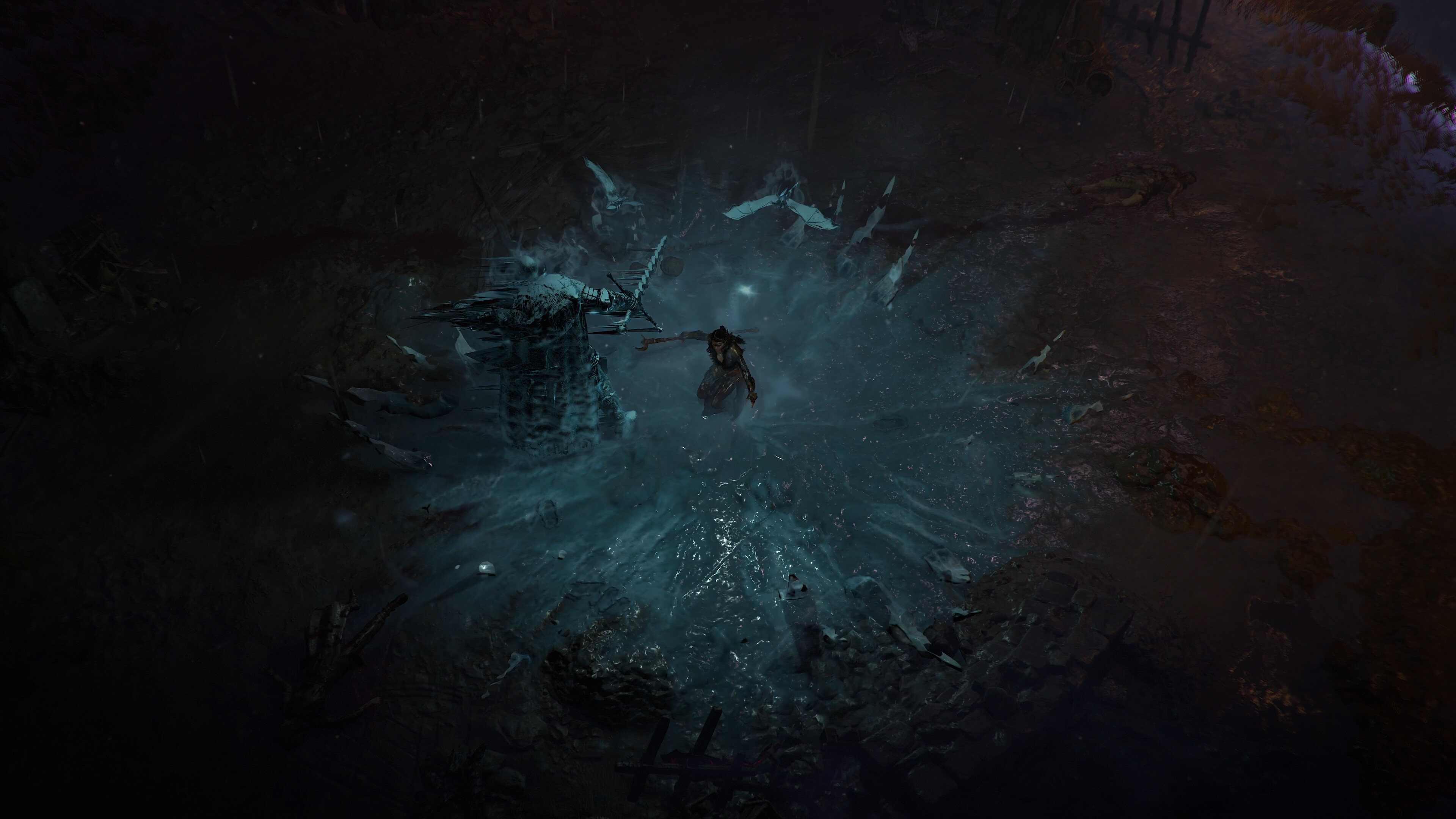
Diablo IV
I didn’t expect to find such solitude in a multiplayer game as big and boisterous as Diablo IV. But within this game, I don’t find the fun of playing together with friends, instead playing it solo through the campaign is the way to go.
In this game, my character and the mysterious group of scholars called the Horadrim kept everything about the impending doom that is Lilith a need to know basis as we chased the demoness all over Sanctuary, only giving information to key individuals making the feeling of secrecy real. Most other characters didn’t know about Lilith and in fact when I met other players in the city, or even in the wilds, it felt like they all have their own lives and adventures, oblivious to the presence of Daughter of Hatred. It felt like I was the only one who’s trying to save the world.
I still don’t know how the journey ends as I still haven’t finished the game’s main story. This year I was very busy with both life and work in general. But every month I still spare some time to log in to the game and continue saving the world in secret.
By Aditya Felix
Recommended read: Virtue in Mundanity
“Where were you when evil won?”
That’s the question Diablo IV asks, and make no mistake, you lose in Diablo IV. Yeah, your character levels up and you acquire legendary weapons and armor. But you’re always running to catch up, always a little too slow, a little too late. And at the end, you manage, somehow, to prevent the worst from happening, but at enormous cost. By the time the credits roll, you’ve seen good men endure horrific punishments for small moments of weakness; fathers bury their sons; towns burn to the ground; heroes fall; and the myths of the world shatter like porcelain because they were built on half-truths and rage and guilt and hope and need. Diablo IV wraps you in grief.
You can’t win in Sanctuary. The world is broken. All the heroes of games past are gone; most of the ones you fought alongside are dead or locked into a battle they’re destined to lose, all to buy just a little more time, the possibility of a better future. We know how this ends. We’ve seen it before. But we keep fighting anyway in the small hope that maybe next time will be different. The question isn’t “where were you when evil won?” Not really.
It’s “who are we when we lose?”
By Will Borger
Recommended read: Annapurna’s Cocoon is Full of Surprise and Wonder

Lethal Company
Despite being a horror game, which I usually shy away from, the laughs Lethal Company comes with have made it my new favorite cozy game. It’s one of those games you can play in a variety of ways with strangers and friends alike while still having a great time. Some groups I play with try hard in hopes of hitting quotas over 1,000 while others joke around more, honking clown horns at Eyeless Dogs and falling off the map running from Thumpers. There’s always something happening that invokes both fear and laughter, leaving me with good memories every time I play.
By Krista McCay
Recommended read: Choosing Happiness

Thirsty Suitors
When I first heard about Thirsty Suitors last year, the premise alone sold me. Created by developer Outerloop Games, it is a turn-based RPG about a queer South Asian Sri Lankan young woman named Jala returning to her hometown to fight her exes while dealing with her demanding parents. There’s also skateboarding and cooking involved, but more importantly, there is a story. It is a poignant story of intergenerational trauma, messy queer joy, and reconciliation with your loved ones and yourself. It’s fun and thoughtful, and I would gladly play it again.
By Latonya Pennington
Recommended read: Blue Reflection: Second Light was the gay magical girl version of Persona I needed
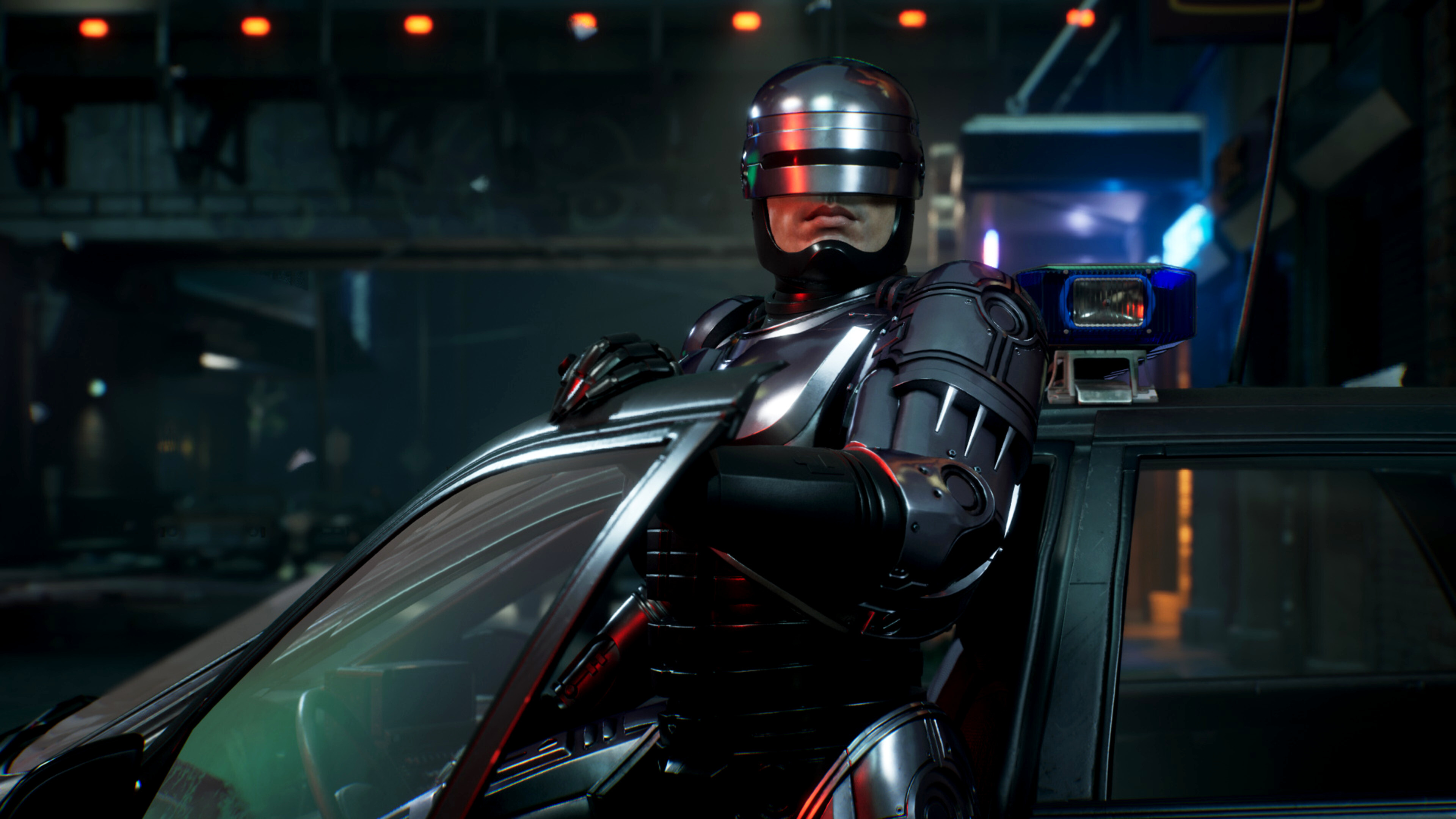
Rocobop: Rogue City
Who would want to be a cop? No one with a sound mind. But a Robocop? Sign me up! Robocop: Rogue City is a tremendous blend of old-school FPS, outrageous gore and a little light investigation to disrupt the overkill violence, a natural breather to allow the afterglow to saturate your pores. In a year of superb video games, this easygoing 7/10 could go unnoticed, but if all you consume is rich, high art, you’re going to get heartburn – dig down into a peasant stew of a video game with Robocop: Rogue City. You are now authorized to use physical force.
By Joe Chivers
Recommended read: The dull delight of humdrum work simulators
From the author: I’d like to encourage people to donate to Gendered Intelligence, a really great UK trans rights charity

Amnesia: The Bunker
There’s a certain beauty to the way that Amnesia: The Bunker changes you. Its design mirrors precisely the philosophy of horror that the original Amnesia game used to become the all-time classic it’s known as. But there was one extra ingredient that made all the difference: evolution.
The first go around, every corner is a terror. Every footstep is an emotional landmine, every door is a floodgate of fear. But with every encounter with the beast, every close call with death, and every trap triggered, I grew just a little more confident. Terrified crouching through dark corridors eventually made way for purposeful sprints. The monstrous games of Hide and Seek were replaced with panicked yet planned games of Tag.
As the fear shed away, audacity remained. By the end, I was dirty, battered, and ready to go toe to toe with the beast that hunted me. Correction: The beast that I was now hunting. Plenty of games show powerful character growth, but so rarely is that character me. That’s something I won’t soon forget.
By Branden Lizardi
Recommended read: Arizona Sunshine 2 Review: Undying, Unchanging
From the author: Support for The AbleGamers foundation
Riven: The Sequel to Myst
There are two types of thought processes when it comes to problem solving: vertical and lateral thinking. Vertical thinking focuses on analysis of a problem, sequential and logical deduction, and eventually leads to the solution of the problem. Lateral thinking focuses on recognition of a problem, imaginative brainstorming in order to make associations related to the problem, and finally finding solutions to the problem. If vertical thinking is recognizing that a door is locked and you should find the key, lateral thinking is realizing that the door is made of wood and you have a flamethrower.
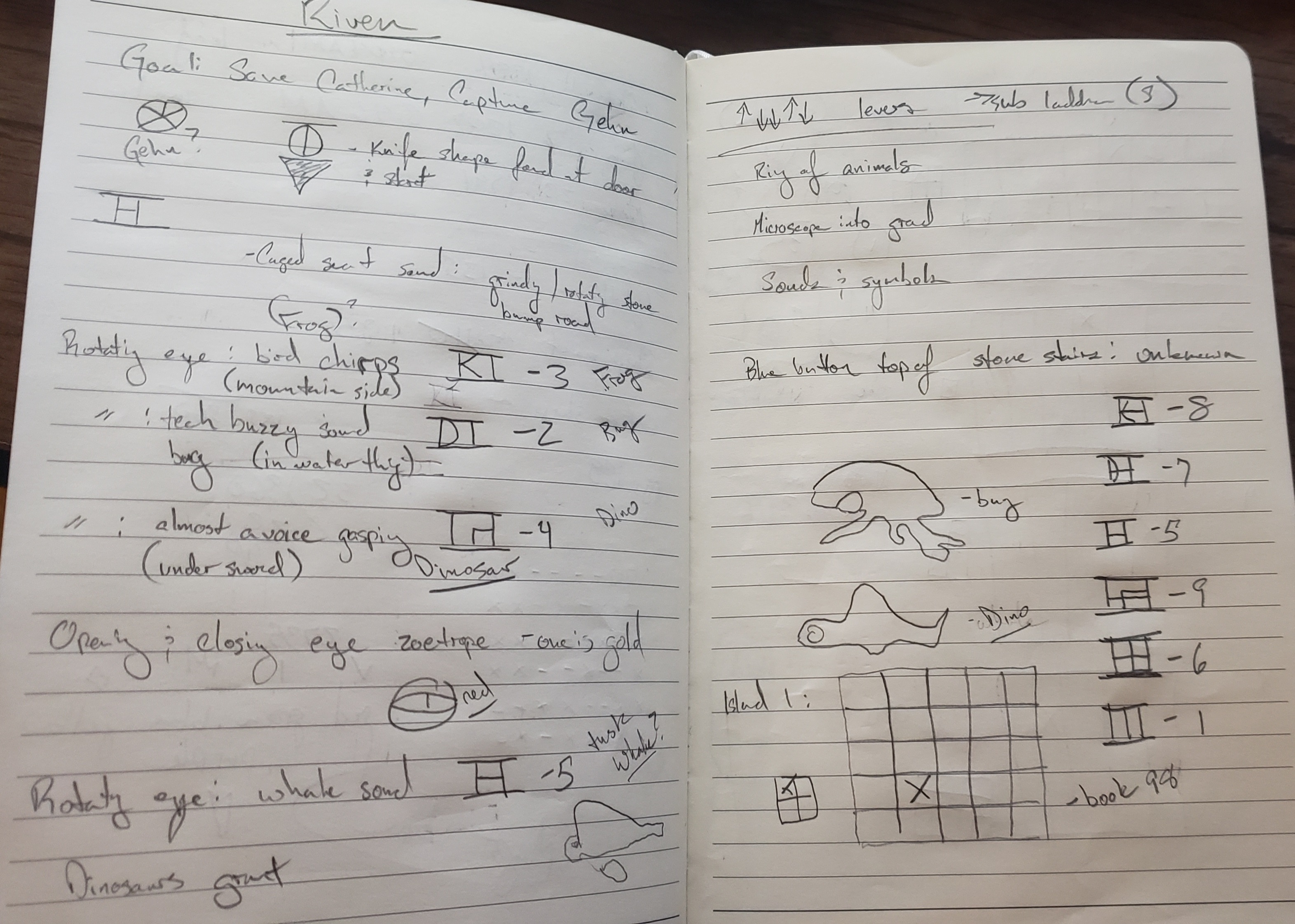
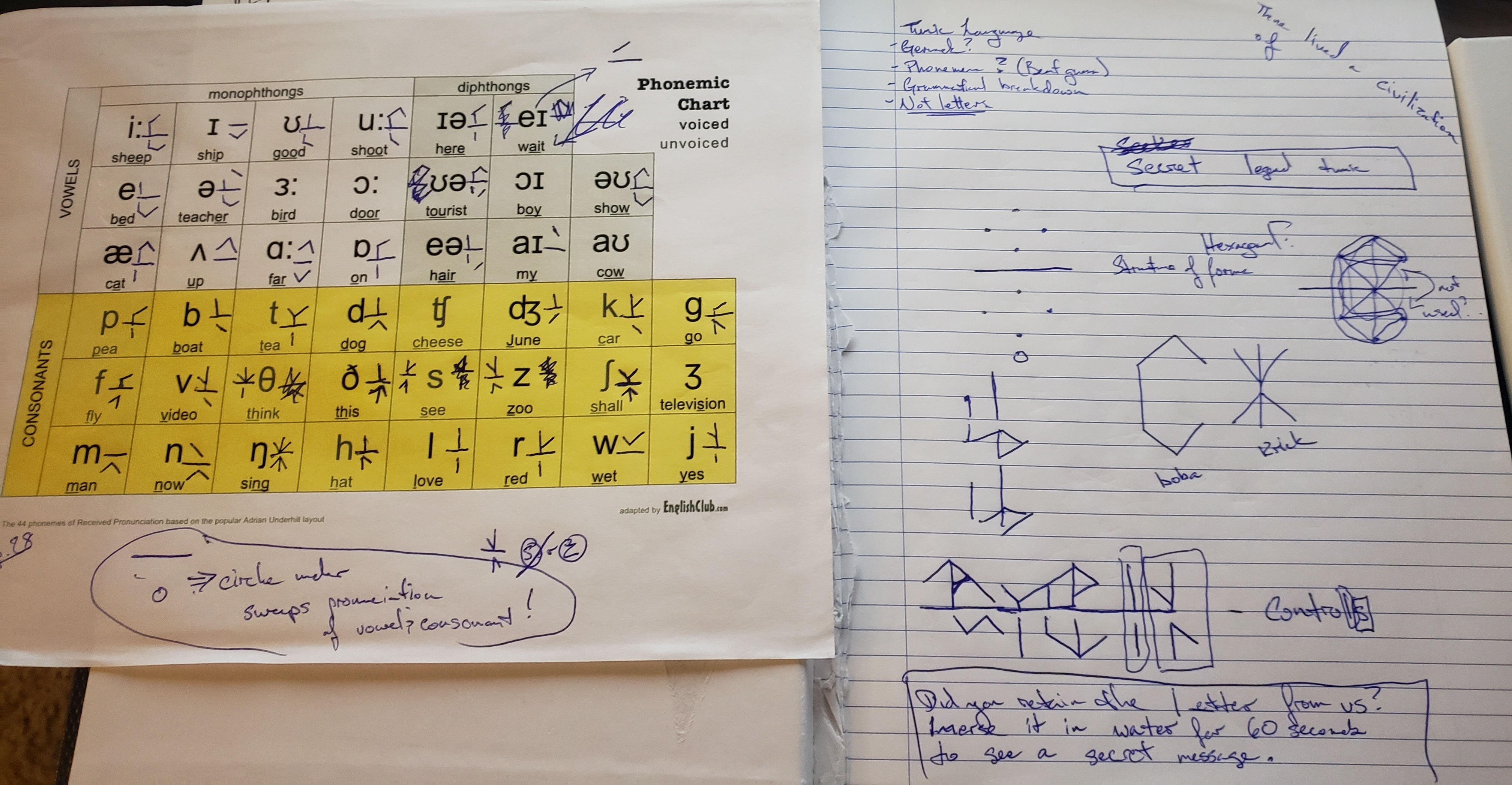
When it comes to video games, I enjoy a good puzzle. I keep a journal with me when I play games. Fake language in Tunic? It goes in the journal. Base 5 number system in Riven? It goes in the journal. Four digit codes for locked safes (that aren’t 0451)? That’s right, it goes in the journal. The thing about these puzzle games, though, is that the great ones often include a mix of both vertical and lateral thinking in order to come up with the solutions, and Riven: The Sequel to Myst does just that. Sometimes that comes in the form of logical deduction and taking in context clues from the world around me to learn number systems and languages. Sometimes, it appears as making logical leaps to pair sounds in the game with engravings in the walls or local wildlife seen near the place of the sounds. All of the information that I get in a game goes into the aforementioned journal because a great puzzle never puts the solution in plain sight next to the problem.
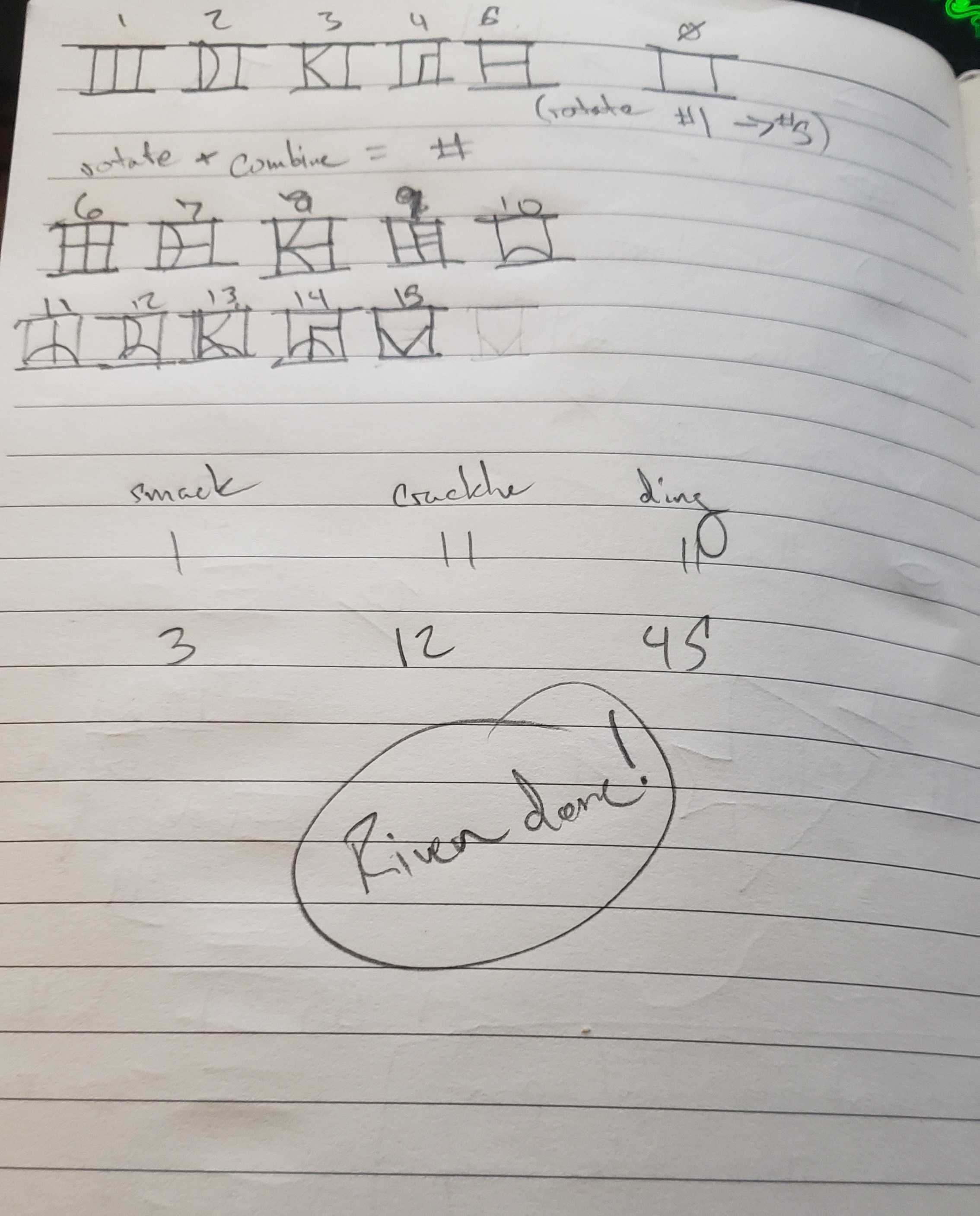
A great puzzle lets the player ruminate and wrack their brain trying to figure out how to solve it. A lot of modern AAA games will include a small box-pushing or lever-pulling puzzle that can be solved by our intrepid explorers in 5-10 minutes’ time, but that’s not a fun puzzle; it’s a distraction to change the pacing of a game. A great puzzle, a fun puzzle, is a game in and of itself. Sometimes the game you buy and download is just a way to hold those puzzles together and link them up through a narrative binding. That’s what Riven is. It’s a game that lets me explore a world filled with great puzzles that sit with me, that challenge me, that entertain me. It’s a game that ties its puzzles together through story and intrigue. It’s a game that lets me open a door at the beginning of a game only by solving hours of puzzles that eventually lead me to the flamethrower.
By Dean Cooper
Recommended read: The Evolution of Edutainment
Babbdi
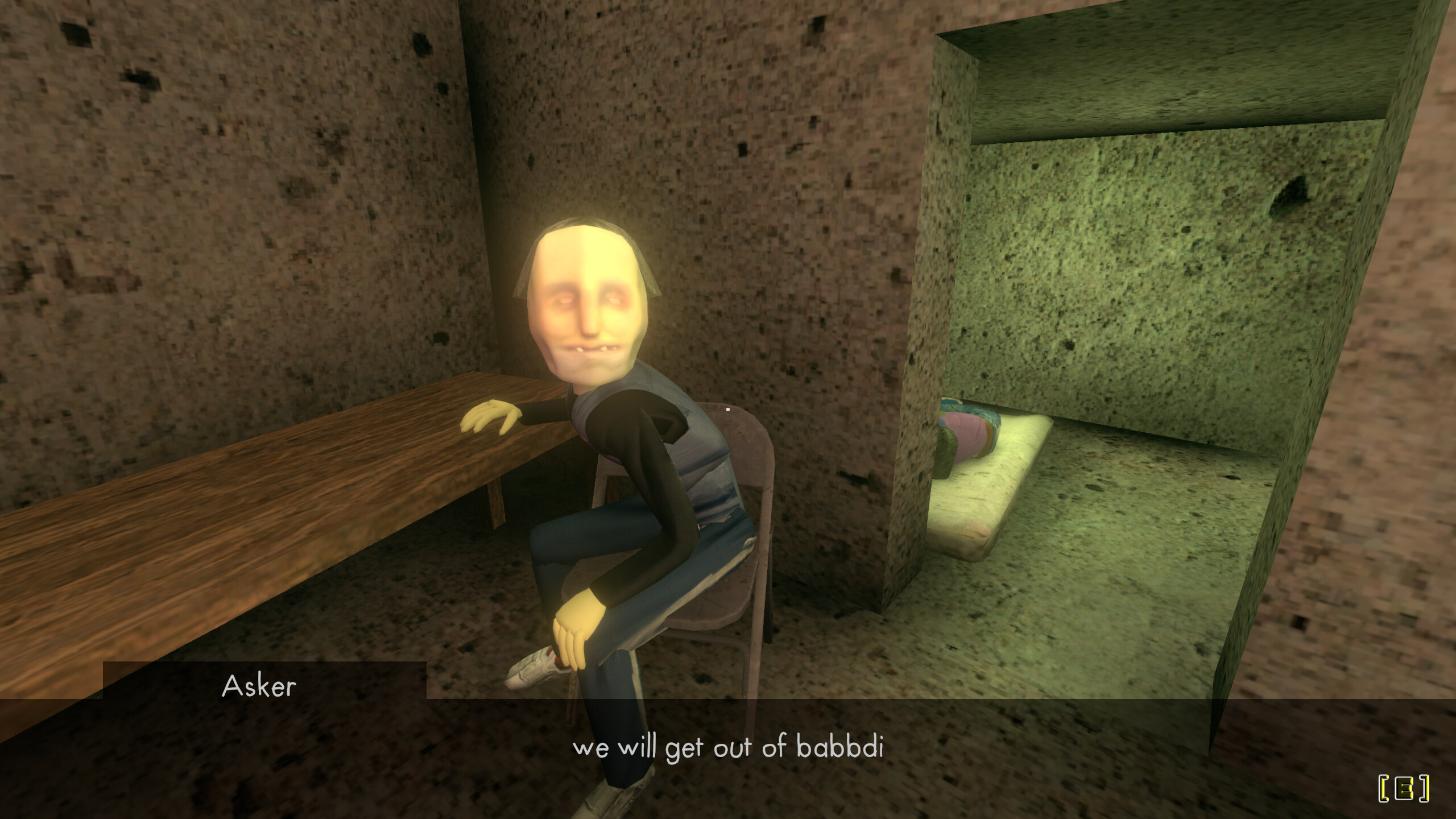
Babbdi is the only game I’ve played that lets you use a leaf blower to blast yourself vertically in the air, and I’ve already said too much. Honestly, the less you know before booting up this low-poly brutalist mini-sandbox, the better. Give it an hour of your time and you’ll find that beyond the PS1 demo-disc vibes and general sense of oddness, there are plenty of secrets here worth uncovering. Suffice it to say that there’s no game out there quite as mournfully whimsical, unexpectedly silly, and – most astoundingly – as FREE as Babbdi. (Consider streaming or playing alongside someone – you’ll want to share the chuckles.)
By Kat (Pixel a Day)
Recommended watch: What is the Games Industry Missing?

Bomb Rush Cyberfunk
Bomb Rush Cyberfunk is electric, colourful, faithful and fun. This love letter to Jet Set Radio does what it intends. The gameplay is kinetic, the visuals are vibrant and the music is a mix of genres like electronic and funk. Everything comes together like an orchestra. Beautiful shades become blurred due to the speed you’re skating, grinding or even cycling. The experience is over the top in every aspect. The gangs are distinct and the cops are bloodthirsty. Follow Red’s existential journey trying to take over the turfs with his crew and find his “roots”.
By Sami Rahman
Recommended read: Reflections and Rebellion
Jet Set Radio Future is my perfect game. It was one of my first games, and at a young age it deeply impressed upon me what games could look like, what games could sound like, what games could feel like.
In that context, Bomb Rush Cyberfunk could never live up to my expectations of it. The pacing constantly grinds to a halt. Level design is often too wide open and ill-defined, the city itself lacking the overall structure of Tokyo-To. Its heat and graffiti mechanics never really come together into a seamless flow. The music bangs, but it’s missing deep cuts and weird genre pulls like Dragula, Guitar Vader, Cibo Matto and Bis.
And yet, they still made another one of these! BRC is still slick as hell to play, and as time goes on it’s grown a secret weapon in the form of PC mod support. BRC might not hit the highs of Sega’s greatest forgotten hit, but that’s probably fine when I can slam the streets of New Amsterdam as an Inkling riding a hoverboard soundtracked by my own eclectic radio tastes.
By Nat Clayton
Recommended read: Forget Ash: The real star of Apex Legends’ next season is a Scottish mother with a grudge

LSD: Dream Emulator
Try keeping a dream journal sometime. Revisiting the territory of dreams in the waking world, with your senses of reason and wonder intact, proves both beautiful and horrifying. For within a dream, all makes sense. But once outside, questions surface. What is this thing? Where did it come from? What does it mean?
In this respect, LSD: Dream Emulator is as close to the dream-journaling experience as a video game can be. Wandering its surreal, illogical, surprising settings is almost like exploring a dream in real time. But the game more closely emulates the journal-keeper’s practice of returning to dreams in retrospect: Meeting all their strangeness with the full measure of a conscious mind, only for their mysteries to deepen.
By Alexander B. Joy
Recommended read: Paranoia Engine

Hunt Showdown
Bones.
No, I am a hunter.
I probably smell awful. My tools and I drowned in a swamp.
I’ve seen so many bones.
I need to hunt my prey. I need to hunt other hunters.
But I think I’m hunting for a story to tell.
What do the bones say?
I hear about these legendary microtransaction hunters, yet they appear like any other.
All flesh, bone and bad tools like me. I barely know myself.
What am I doing? Nothing of me will remain here.
I want what the bones had.
A chance to have had a story.
By Tigran Bleyan
Recommended read: The Beach Epiphany
Caves of Qud
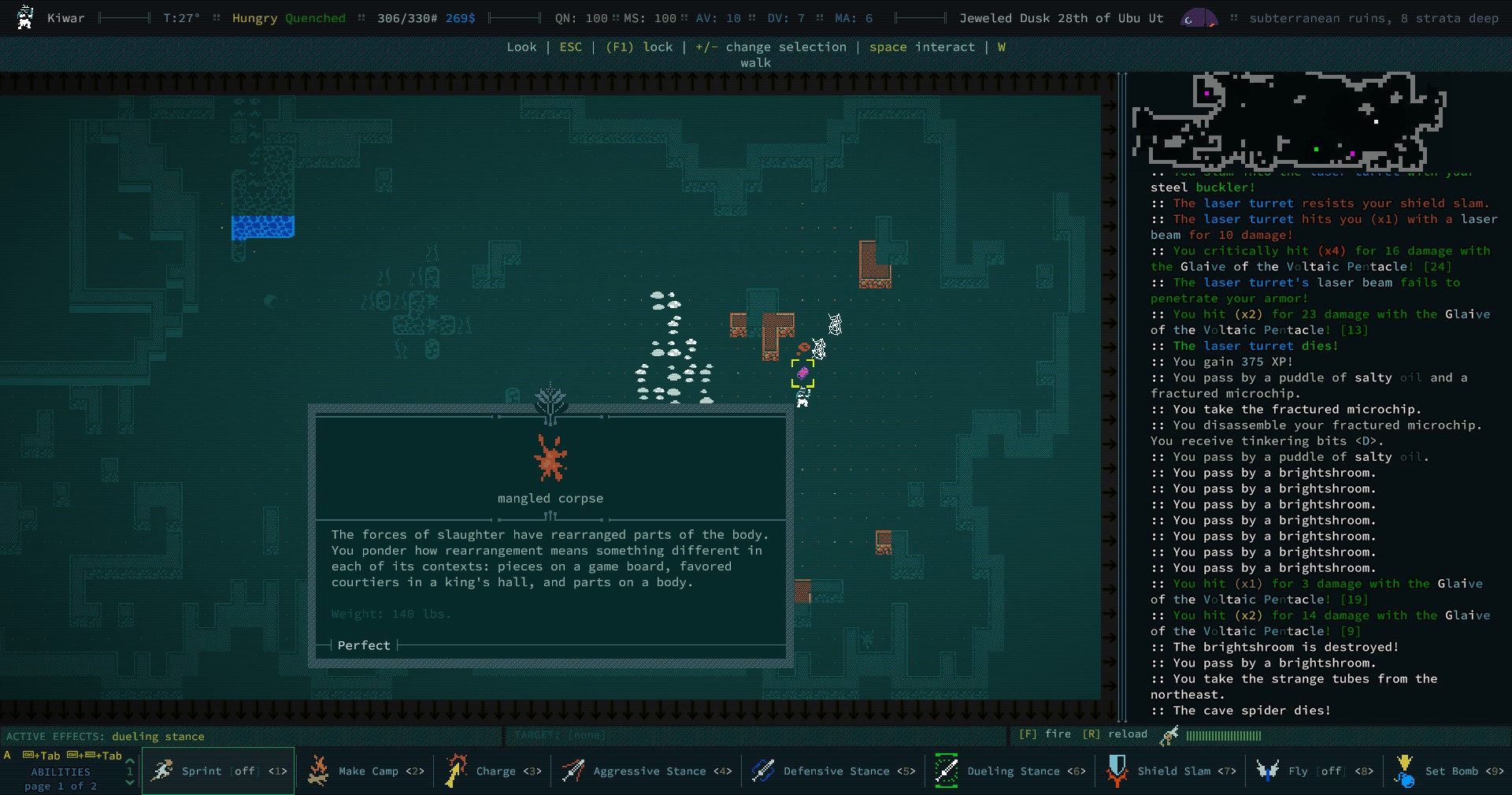
Caves of Qud is one of those games where I’ll pick it back up after wandering away for a month or two, and minutes later I’ll wonder why I’m ever playing anything else. It’s a feast of roguelike possibility: In one run I’m a four-armed, mutant whirlwind of vibrokhopeshes and crysteel maces; in another, I’m a reality-warping railgun marksman with a sentient hydraulic press for a companion. Even better, somehow, is its writing. Qud’s prose is gleefully arcane: the fragmented history of a far-future fallen world, shared through glimpses of Gyre-spawned horrors and fabled sultans killed by knives made of sand. And it’s a world crafted with such care that, impossibly, its characters remain eminently human, no matter how invertebrate, interplanar, or incomprehensible they might be. Qud is a wonder, in any year.
By Lincoln Carpenter
Recommended read: Lies of P review
From the author: Palestine Children’s Relief Fund could always use another call for donations. I don’t know; depends on which bastard has wormed their way to the top of the pile that day. Probably telling Musk to go fuck himself. It’s usually him.
Final Fantasy XVI
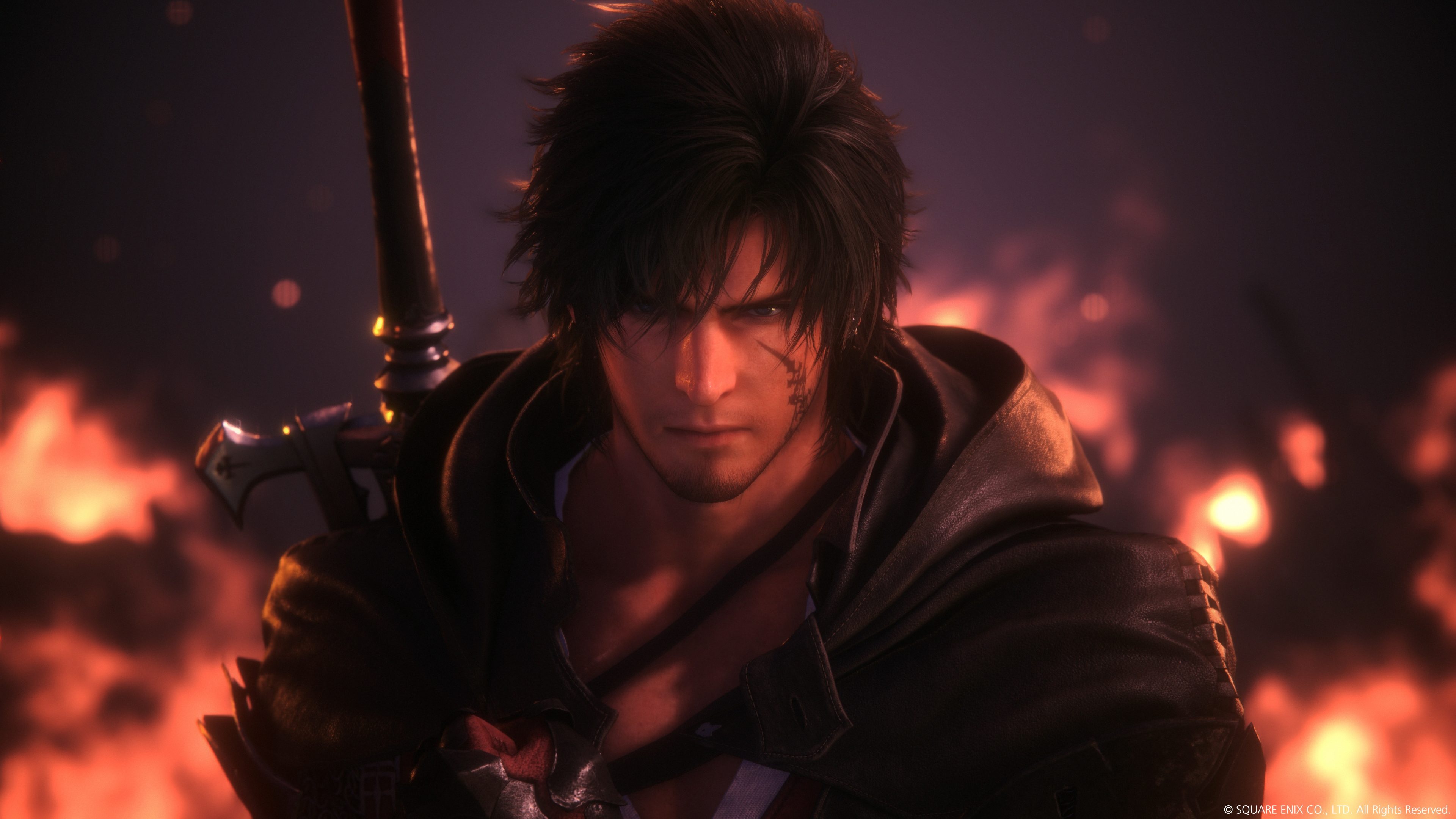
Bipedal fire-wolf Ifrit stares at the rock-god Titan hurling massive boulders, and within Clive Rosfield the protagonist of Final Fantasy XVI growls, “Nice trick. But if you can do it, then I can do it!”
This affirmation precedes the most bonkers-bullshit-wild kaiju fight I have ever seen, and been fortunate enough to play. It’s also a moment of incredible character growth.
Final Fantasy XVI is videogame that explores and exposes powerlessness. Clive’s journey is at first one of rejection, pain, and helplessness. But once he has recognised his own potential he works to make himself better to try to make the world a better place, for himself and others.
He frees slaves, he creates a home for the weak, and he turns into a giant fire wolf and fights rock monsters. Clive’s fight is to find himself, to believe in himself. And as someone who often suffers crisis of confidence and fits of depression which leave me feeling miserable and useless, Clive’s declaration is a reminder that strength will always come from within.
By Joshua “Jammer” Smith
Recommended read: There Was a Boy Here, He’s Gone Now
Final Fantasy XVI left an impact on me emotionally. For most of the summer, I dived myself into the world of Valisthea where I was filled with anger, shock and tears. Playing as the protagonist Clive Rosfield who watched his kingdom being destroyed and aims to liberate bearers from the control of the world leaders in an ongoing war had me reflecting on current world antics and what an impact it felt on me. What sets Final Fantasy XVI as a standout game is not just its gameplay but its focus on a lore-driven adventure.
By Nyasha Oliver
Recommended read: Bratz: Flaunt Your Fashion is in Rock Angelz’s Shadow

Suika
For a week as I moved to a new studio, my dad and I shared one ambition: make a watermelon.
Suika (“Watermelon Game”) offers a torturously simple objective. Strategically drop fruits into a box. Combine like fruits to create bigger fruits until you get the watermelon. Don’t let the box overflow.
We played Suika in between stuffing my kitchen supplies into cardboard boxes—sadly, we shattered a cup. Its cheery musical loop cooed from my Switch as we brainstormed the most optimal ways to stack my suitcases into my tiny closet (he took one home). We carelessly misplaced an apple, sending everything flying out of the box, while we searched my studio carpet for a missing screw.
Imperfect performances both on and behind the screen, we joked each time we pressed “Restart.”
So good to play with you again, Dad.
By Alina Kim
Recommended read: The Post-Roe Re-Examination of P.T.’s Lisa
From the author: Sending the biggest digital hug in the world to the Second Wind team

Risk of Rain Returns
The hoops my friends and I jumped through in order to host a multiplayer server for Risk of Rain was unprecedented for our friend group, from downloading Hamachi to teaching ourselves how to forward a port in our router settings. It was a tedious endeavor but we could all agree it was worth it. A decade later and the iconic roguelike makes a triumphant return with its remaster Risk of Rain Returns, and I couldn’t be happier to see how Hopoo Games completely overhauled and streamlined the online multiplayer. Loading into the Desolate Forest with my friends again in a much more polished and refined version of the game we poured hours into is a capstone moment from my 2023 year in gaming.
By Brandon Malave
Recommended read: Choice and Regret

Coffee Talk Episode 2: Hibiscus & Butterfly
The pandemic-changed real world, 2023. Something has shifted in cafe culture. My local neighborhood coffee haunts have rebranded into something completely different. Suddenly there are flat silhouette logos, feel-good quotes in neon lights, and at night: the cover of a trendy bar, with loud trendy music and sweet trendy cocktails.
The virtual, fantasy creature-inhabited Seattle, 2023. Stepping back into Coffee Talk feels familiar – feels like a return. Old and new friends alike come in to contemplate their drink order alongside the most important decisions of their lives, as if they are trying to reach behind the counter – to reach me. And so I oblige their stories and serve them a cup. I select the fresh new ingredients, press the buttons on the old espresso machine, and let the frothed milk swirl away the coffee-borne bitterness of my pandemic-aged heart.
By Kenzie Du
Recommended read: Job Anxiety
Sea of Stars
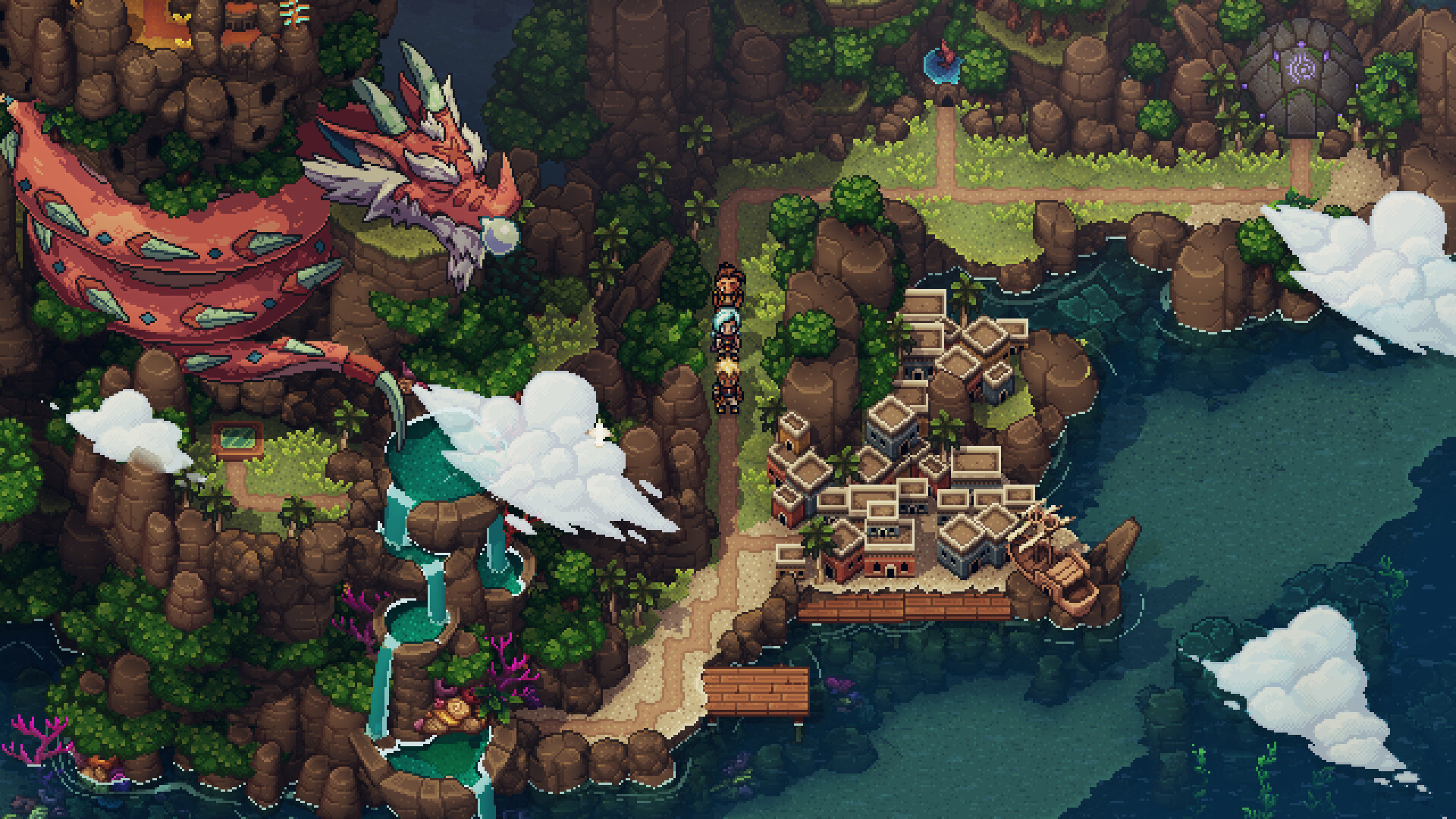
Sea of Stars is a lot of things. It’s nostalgic, whimsical, and likely the best RPG of 2023. One thing Sea of Stars definitely is not is a horror game. Yet, surprisingly, one of its early cutscenes caused me to audibly scream.
As my heroes rested, a rustling from the bushes cut across the peace of their campfire reverie. I was instantly poised for an enemy ambush, preemptively planning the can of turn-based whoop-ass I was to unleash.
Once the hiding figure finally emerged, I couldn’t hold back the impulse to squeal. Not out of terror, but out of joy.
IT WAS GARL!!!
Despite lacking the celestial magic of the Solstice Warriors, Garl the Warrior-Cook makes up for it with earnestness and determination. He proves that the pot can be mightier than the sword, using his culinary skills as an expression of his love for his friends.
While my bestie Garl is only part of Sea of Stars’ tapestry of heart and polish, his character is the perfect encapsulation of how the game balances its save-the-world narrative with warmth, humour, and humanity. Chef’s kiss.
By Abigail Shannon
Recommended read: Dead By Daylight’s Nicolas Cage Chapter Plays on the Humour in Horror
Slay the Spire
I love randomness.
At the grocery store, I improvise counting-out rhymes to decide which veggies I’ll get. On movie nights with friends, I get everyone to suggest films to then draw one to watch. As corny as it sounds, I often carry a dice to help with choices.
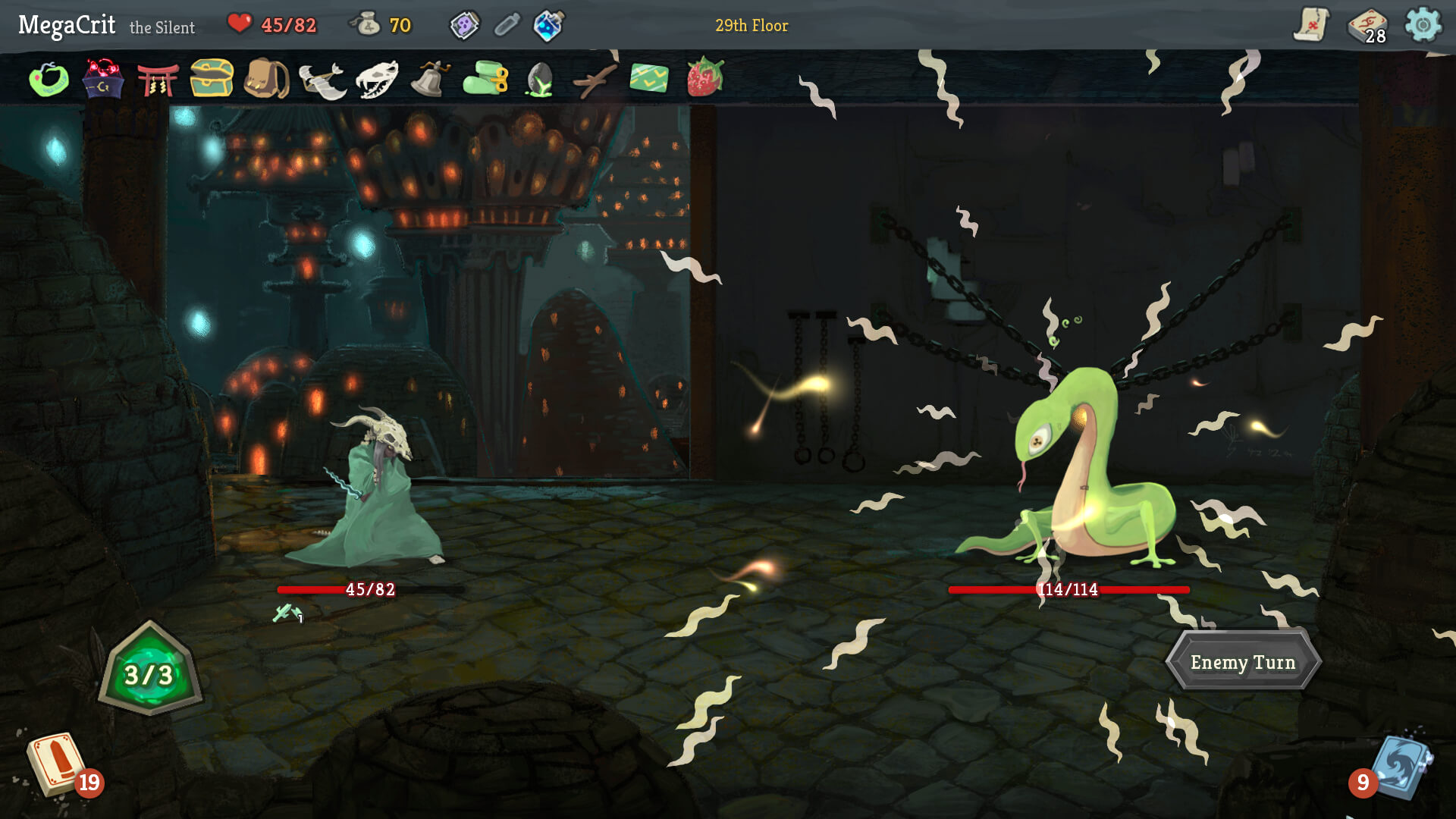
When it comes to chance, Slay the Spire provided me with the best things roguelites and deckbuilders can offer. I got to visit a random event knowing well that it could contain deadly hazard, just because it’s exciting. I got to draw a new hand hoping it would contain the one card I needed to be saved. And when everything aligned, I got to break the game.
With randomized runs and shuffled decks, it hooked me.
And for a while, I stopped spinning a wheel to decide how I would spend my Sunday. I just sat down, and played comfortably for hours.
By Lucas Vially
Recommended read: Insert Coin to Continue
Oxenfree II: Lost Signals
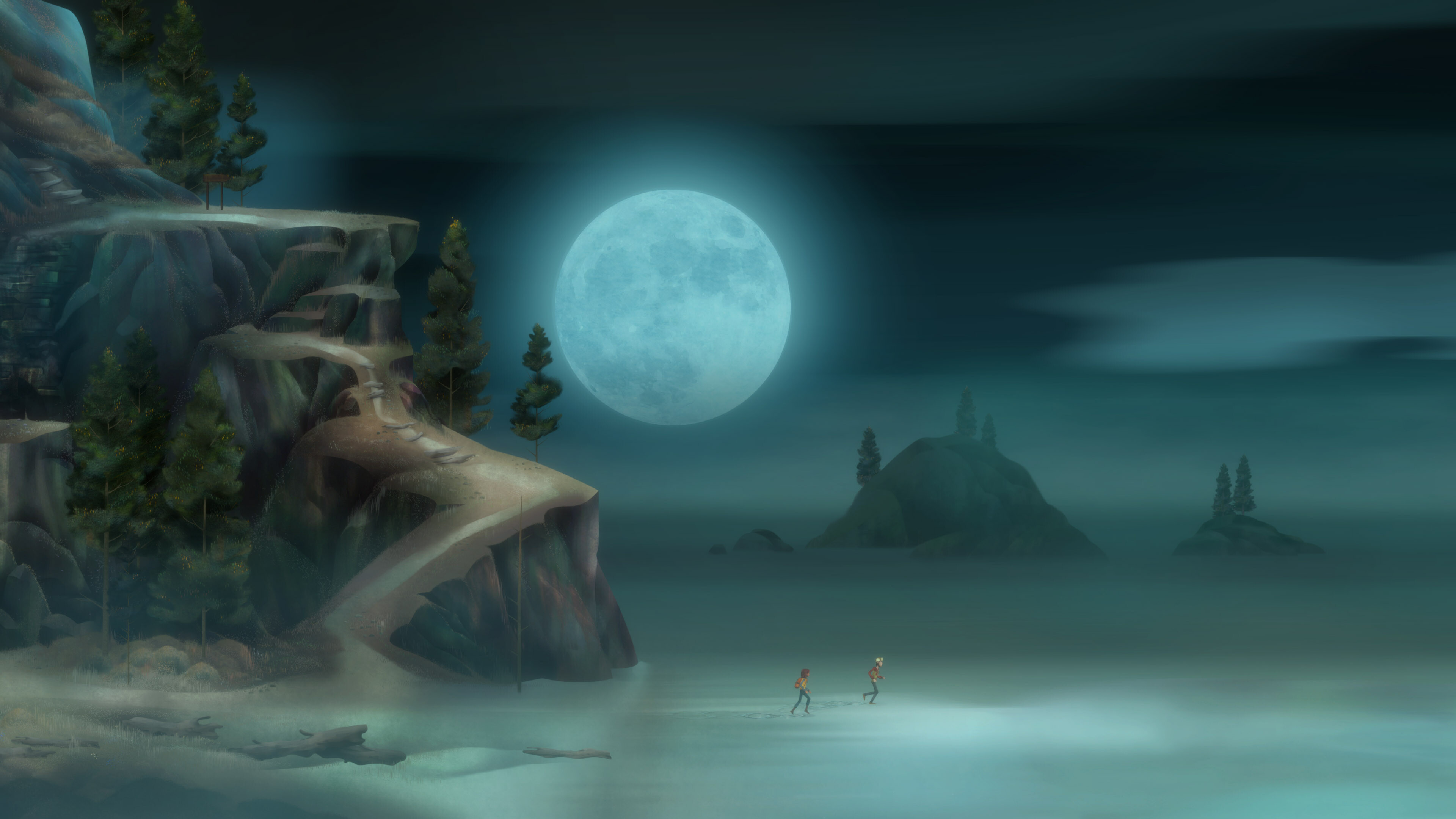
Oxenfree II: Lost Signals hides its soul in language, a concept I almost failed to realize. Developer Night School’s coming of age game for adults seems, initially, like it tries a little too hard to relate to the grown-up kids. The slang, the banter, even the vocal inflections resemble what you might get if a chronically online person wrote a sitcom. I was left thinking the result was shallow and hollow, and then I realized – that’s the point. Riley and Jacob use their language as a shield to avoid connecting with others, to remain safe in isolation, and even to hide away from themselves. Their speech patterns ease into something more natural sounding as they grow more comfortable with each other and themselves, and Riley’s and Jacob’s journeys of self-acceptance are just as much at Oxenfree II core as the broader tale of time travel and discontented spirits.
By Josh Broadwell
Recommended read: Brad Pitt and Fried Chicken: How Yakuza’s Localization Team Brought 19th-Century Japan to Modern Americans
The Sims 2
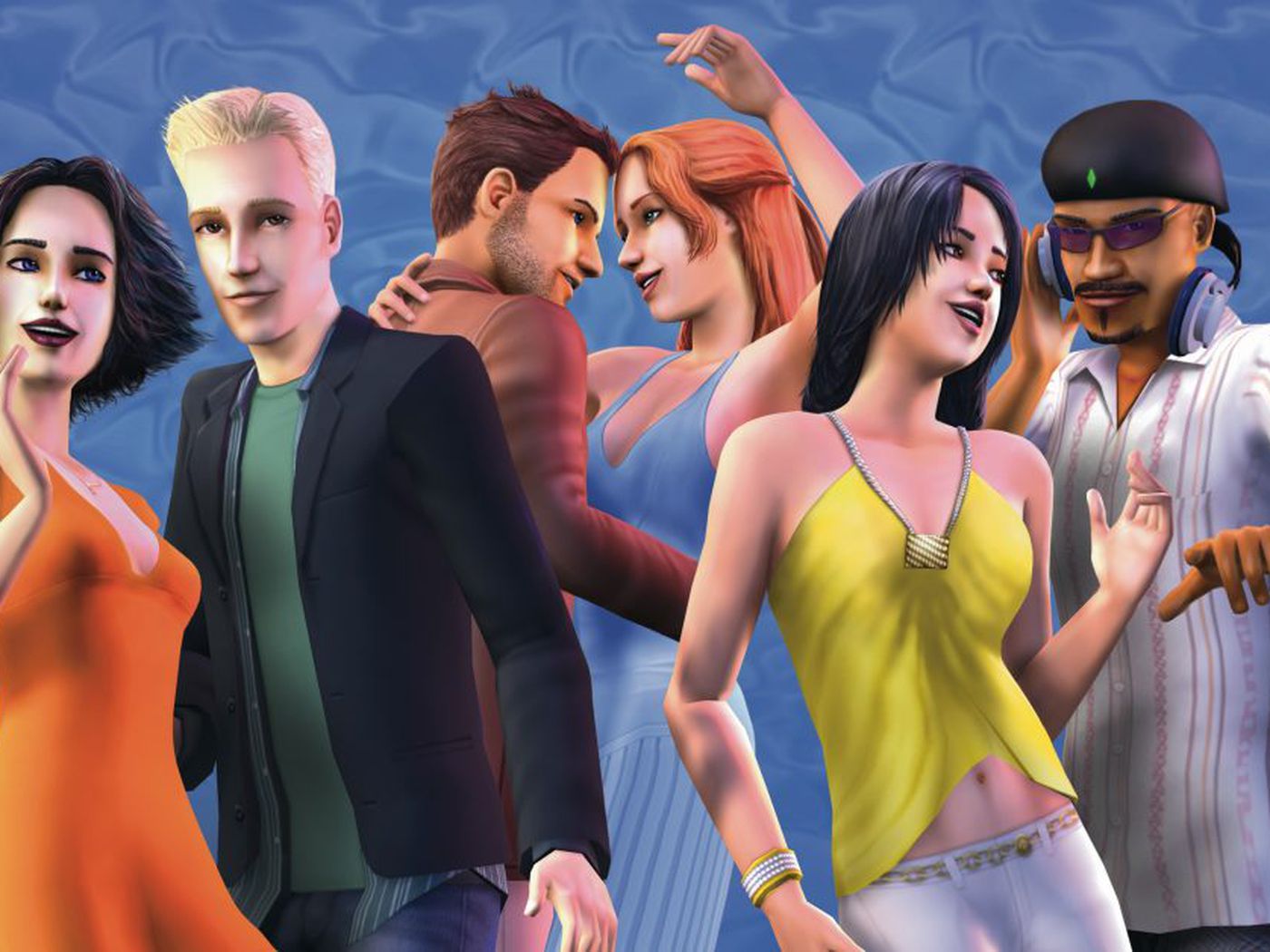
The Sims is a collective dollhouse. The perpetually renovated factory of dreams we all grow up with. Upon revisiting the second entry in this franchise though, I realized that it’s more of a supermarket, where “spending” and “consuming” are store policies, and families receive discounts, so that the clientele would grow. Frugality leads to depression. Moderate solitude’s a path to madness. The game discourages a spiritual and ascetic lifestyle. Sims are incapable of reaching an internal happiness. There is no place for introspection or contentment. The meaningful, fulfilling life is on the shelf in front of you; the price tag is a new HDTV.
By Mike Arrani
Recommended read: School of Evil

Dead Space Remake
“I wish I could just talk to someone…,” Nicole doesn’t quite whisper but doesn’t yet announce before her scream. The ending of Dead Space (2008) still haunts me. The terror lurks just outside the periphery. It is a moment of peace overwhelmed by bright light and a piercing scream. The game’s scares always hide just off the screen—floating casually across zero gravity or popping out of ventilation ducts — easily deconstructed, literally or theoretically. A simple shift of perspective finds Isaac’s head turning toward the passenger seat, expecting it to be empty. The remake’s additional line removes some of the ambiguity while reminding us that Isaac talks a lot more in 2023 than he did in 2008.
By Clint Morrison, Jr.
Recommended read: Multivalent Grief

In Stars and Time
In Stars and Time made me feel like a teenager again. More specifically, it made me feel the passionate interest that drives people to write fanfiction and spend hours making YouTube tributes (the game’s creators actually made playlists for all the characters, so they are not beating these allegations). In Stars and Time is a character-forward cross between a visual novel and an RPG where you have to beat an evil king without revealing to your friends that you’re stuck in a time loop. As you’d guess, this involves a lot of manipulation and questionable methods, and forms the basis for the game’s exploration of depression and how difficult it makes truly recognizing the people who love you.
That sounds a little trite, and all I can say in response is that it’s not, at all. I already see Undertale comparisons popping up, but this game is both less internet humor-centric and less challenging to play. But it deserves to ascend to the same echelon of fame for its blended storytelling and execution, particularly the decision to structure its battle system and plot around the development of four friendships. The power of friendship is the telos and the glue of this game, and its limits dissolve in the revelatory power of being known. It turns out the prize really was the friends we made along the way.
By Emily Price
Recommended read: When puzzle game Chants of Sennaar is on a roll, there’s nothing else like it

The Murder of Sonic the Hedgehog
My earliest video game memory is playing the original Sonic the Hedgehog on my mother’s old Motorola flip phone. I was five years old at the time, and it took me days to get past Green Hill Zone. My inexperienced hands tried and failed to coordinate and time my movements on this inconvenient piece of hardware and its tiny buttons. Despite the circumstances, Sonic managed to make a lasting impact on me. There is no video game franchise that has stuck with me longer than the blue blur. I’ve dipped in and out of playing the games, but the characters still hold a special place in my heart. The Murder of Sonic the Hedgehog was the greatest April Fool’s Day prank I could’ve ever received: a bunch of old friends returning to me and saying, “I’m still here, making new memories with you.” It was a reminder that no matter how much time passes and how things change, we will always have something worth giving to each other.
By Farouk Kannout
Recommended read: Sinking

Hi-Fi Rush
2023 was the year of the himbo. No video game character from the year epitomizes that more than Chai. The protagonist of Hi-Fi Rush is far from its best character (I’d pick literally anyone else to hang out with IRL), but his energy is perfect for slamming robots with an electric guitar in perfect time to Nine Inch Nails and The Prodigy. Chai is the beating heart of Hi-Fi Rush, with an iPod as his beating heart, downbeats coursing through his literal veins, a machine made purely for rhythm-based combat. He’s also dumb as shit, and we love him for that.
Hi-Fi Rush proves that at their truest selves, these stylish action games, or character-action games — Bayonetta’s and Devil May Cry’s of the world, call them what you may — are rhythm games. It lowers the barrier to entry, but it doesn’t sacrifice anything for it. There is not an inch of Hi-Fi Rush that exudes compromise. In a year full of so much personal uncertainty, I needed a video game that knew exactly what it was.
By Bryn Gelbart
Recommended read: And We’ll Swim Till We Sink

Super Mario Wonder
As I’ve gotten older, I’ve become more cognizant of time. I sit down and reflect upon its impact on me, making it difficult to sit down, relax and just play a game. But somehow, Super Mario Bros. Wonder managed to rip that mentality right out of me.
With all of its vibrant primary colors and bubbly music, it demanded my attention. During each play session, I didn’t care how long I was sitting down and playing, all I worried about was how many standees I had.
My eyes locked on the screen’s grassy, snowy or sandy platforms. When I had that controller in my hand, I wasn’t the senior college student who had a crap ton to do, I was instead the kid who played Mario games on bootleg consoles from the flea market.
The franchise has comforted me in ways I don’t even think I can comprehend, so to know that it can still elicit that same sensation from me is nothing short of wonderful.
By José Romero
Recommended read: “I Swear”
Slay the Princess
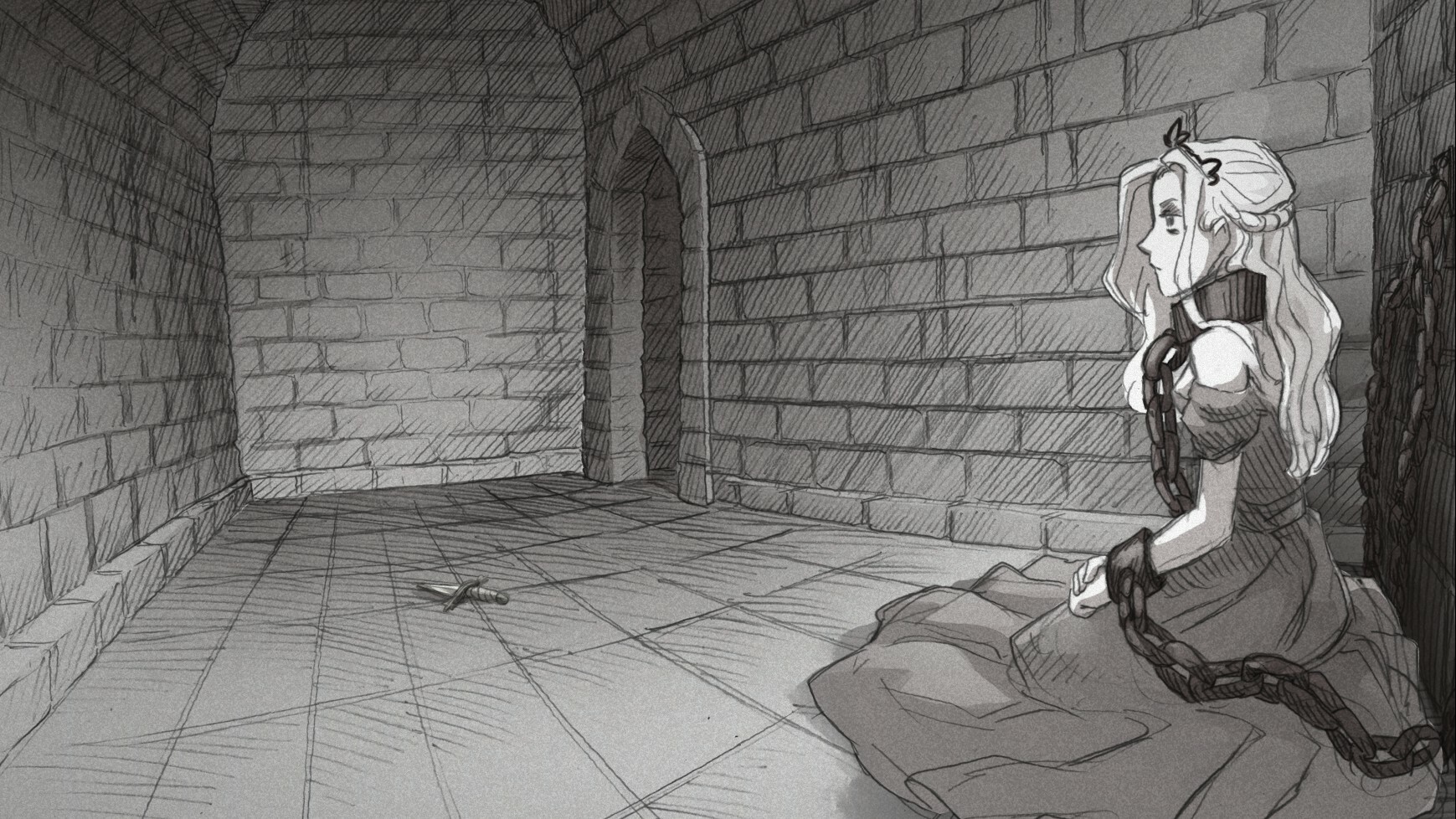
No matter what she angrily said or how the Narrator tried to convince me otherwise, I was always going to free the Princess from her confinement. Sorry, I believe women! (And enjoy being bossed around…)
I happily helped every version of my Princess in the numerous permutations of Slay The Princess’s seemingly simple timeloop. While I found that the game’s theme attempted to encompass everything and ultimately meant nothing, I couldn’t help but be drawn into the impressive reactivity and expansiveness of this visual novel. Much like the titular heroine, Slay The Princess is more than it appears to be.
By Willa Rowe
Recommended read: One Year Later, Signalis Remains an Unforgettable Masterclass in Horror

Hyenas
I feel like I was the only person that liked Hyenas. But every time I saw it or played it the question was always the same. “Where does this fit in?” In 2022 I was asking if it could pull players away from Hunt: Showdown and by 2023 Call of Duty: Warzone DMZ and Escape From Tarkov had already hit their peaks and were on the way down.
I think I realised this game was never coming out when I heard higher-ups at Creative Assembly at Gamescom being asked if the game scheduled to come out within five months was going to be free-to-play for a full-price release and they responded with, “We’re just focused on make a good game first.”
You just never found your place, Hyenas.
By Lexi Luddy
Recommended read: Trans representation in movies isn’t great — but in 2023, I feel more seen than ever
Editor’s note: See also – Cancelled loot shooter Hyenas allegedly “Sega’s biggest budget game ever”, new report claims

A Plague Tale: Requiem
I Name It… The Survivor
I forget it, sometimes, about
keeping going. The scars
are still so vivid. They fill
your mind when you want
only rest. It’s only human.
You still have so much life to live.
Nothing is totally dead until
it’s buried. There’s still light.
You need new ways. Things have changed.
This place belongs to the past —
leave it. Find your own way.
We will live. We will heal. The scars…
we keep them so that we don’t forget.
So that we can accept. Until
they don’t hurt anymore. I’m sorry,
but you’re ready. To save everything.
I love you. I’ve been happy with you.
I’ll see you under the sun.
By Cricket Miller
Recommended read: How Animal Crossing normalizes my nonbinary identity
Editor’s note: Poem based on dialogue/text from A Plague Tale: Requiem

Star Ocean Second Story 2
I think a lot of you folks can relate when I say: 2023 sucked. It was brutal as a freelance writer and a human being.
Things really started to get rough in the summer, when the freelance market in my industry threw me for a loop and my family dealt with two unexpected and upsetting deaths. But life also gave me the most surprising tidbit of solace when the trailer for Star Ocean Second Story R, an out-of-left-field remake of my favorite game growing up. I could think, “Hey, things suck right now, but at least I’ll get a break when the Star Ocean 2 remake comes out.”
And after dealing with a tough summer and first half of fall, I had the game in my hands, and it exceeded my expectations. I felt a little disappointed at first that I didn’t get the full 3D remake of my childhood dreams, but Gemdrops actually did us one better by keeping the 2.5D aesthetic from the original. They somehow infused the game with nostalgic love throughout while staying incredibly efficient with their use of resources, and I’m still wrapping my head around it.
Video games are frivolous little things, but we all need our silly treats to make it through the tough times. Star Ocean Second Story R came through for me.
By Melissa King
Recommended read: Happy Place

Cassette Beasts
There’s quite the checklist when making a game for the adult Pokémon fans of the world. They need to assume the player isn’t a small child, so add complexity, difficulty and a more mature story (but not too much, this isn’t Shin Megami Tensei). It can’t be too familiar and it needs new mechanics, but it can’t be too different. And the monsters need to be cool and plentiful, of course. Cassette Beasts, with its music-themed world, monster fusions and modular battle system, ticks off every box. It’s the best Pokémon-alike around for the hard to please longtime fans.
By Lucas Di Quinzio
Recommended read: The Questionable Memento
Lies of P
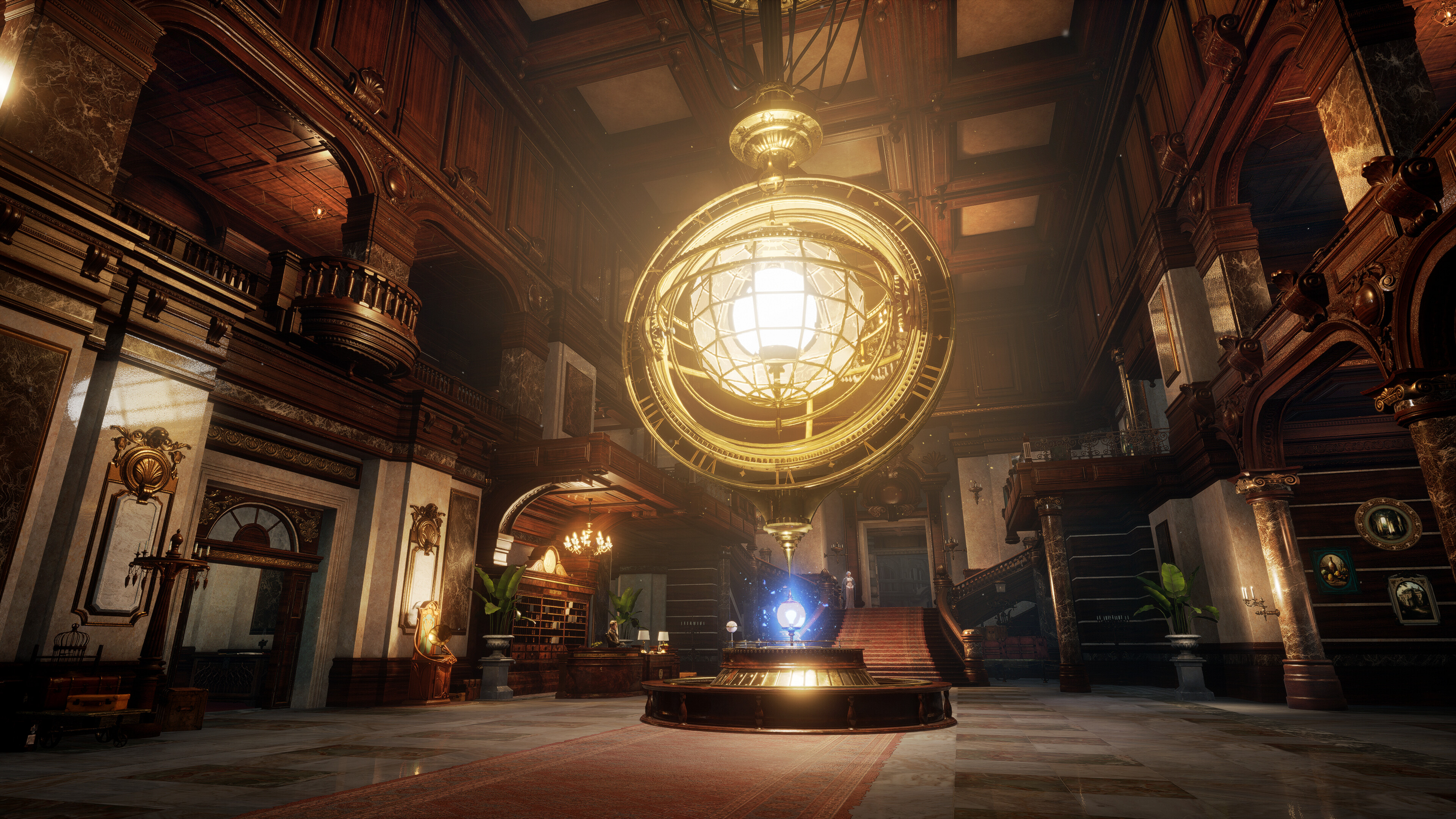
The world you find yourself in within Lies of P is horrifying. Despite this, Hotel Kraut offers moments of brief respite.
The Hotel features the expected hub elements, such as upgrade benches and item shops. What wasn’t expected however, was a record player.
Outside of the hotel, Lies of P’s only other use of music is terrifying boss themes. Due to this, the hotel’s music becomes a moment of mercy to the player amidst the terrifying world outside. A sliver of Humanity in the ruins of a broken land.
Lies of P is outstanding in many ways, but using music to convey both danger and safety is truly impressive.
By Connor Queen
Recommended read: As Gentle as a Cloud
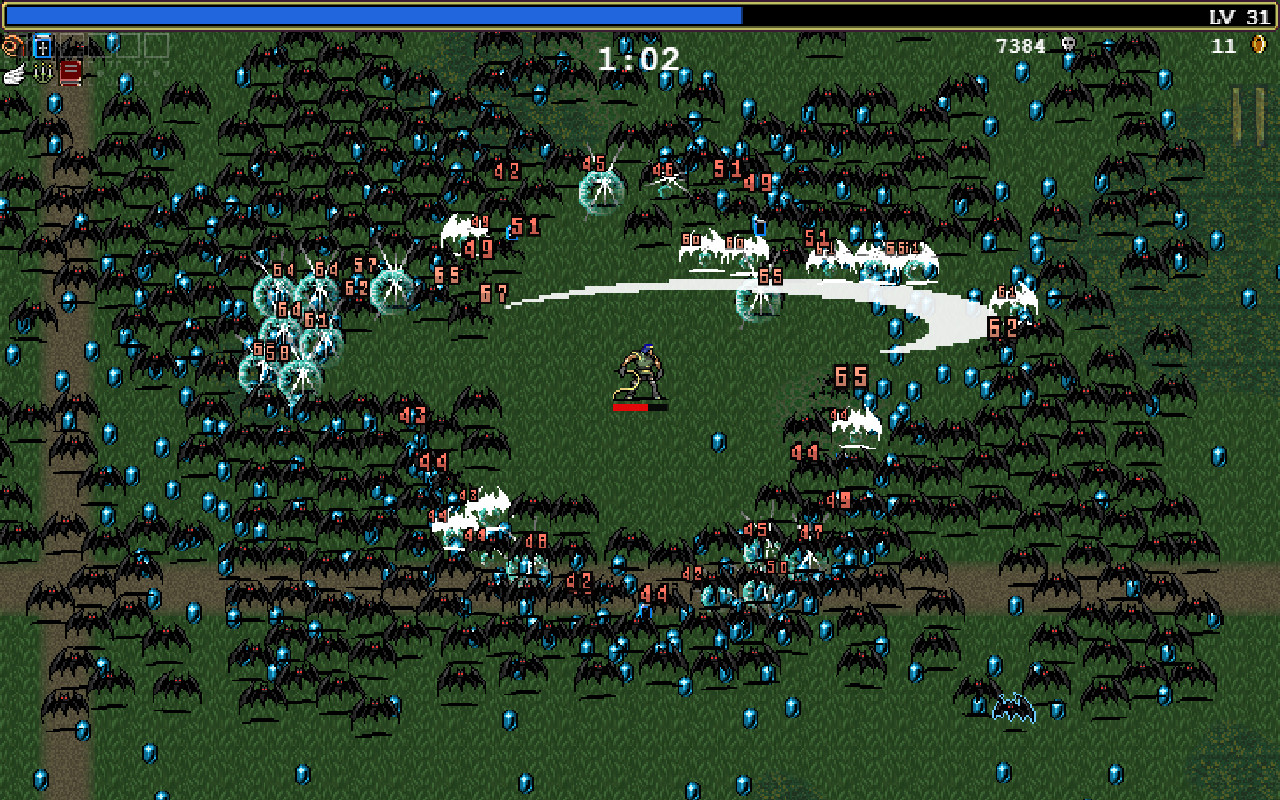
Vampire Survivors
I had a lot of ideas about what to write, but then I thought I should play the new Adventures update before writing so I could nail that feeling you get from Vampire Survivors. Predictably, I played it for three days straight, instead of writing. It sunk its fangs into me again. (Sorry.)
Vampire Survivors? Good game, sure, but good in that terribly terrifying way. I don’t want other games to learn from it. There is a line of dead pixels on my phone because of this game. It’s just too good. There’s an alternate timeline where this game eats all of society alive, and we all cheer it on. This could be that timeline. My God. I’m playing it right now.
By Nigel Faustino
Recommended read: Sisyphean Snap
From the author: Henry Kissinger rest in piss

Pangea’s Error
Sraëka-lillian’s Pangea’s Error, part of the Gardens of Vextro chain game anthology, reimagines the RPG world map. The lizard Erato can only walk forwards. The left and right arrow keys turn the whole world on its axis. The landscape is dotted with swords to be found, but the real challenge is orienteering: squeezing through mountain ranges, finding landmarks and reading the space. A walking sim by way of Brandish: The Dark Revenant, Pangea’s Error smashes through decades of accumulated clichés and detritus. It is a beautiful and uncompromising object.
By Adam Wescott
Recommended read: Petty Godhood
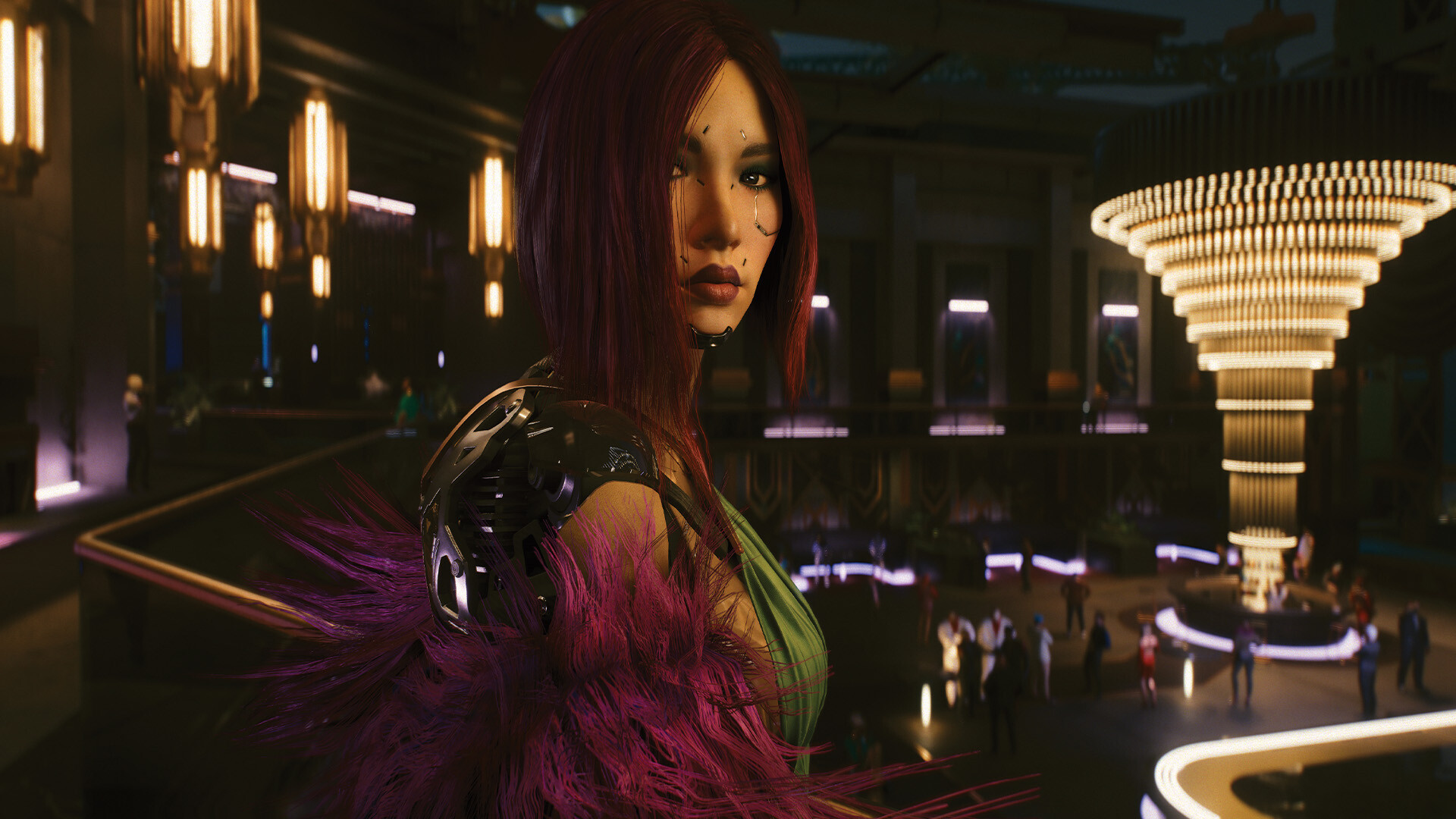
Phantom Liberty
“To new beginnings, and life’s loops,” as Kerry Eurodyne would say. Cyberpunk 2077 rose from the ashes of 2020 like a phoenix, louder and prouder than ever with newfound courage and some serious ‘tude that would put even Johnny Silverhand to shame. Phantom Liberty wasn’t just an expansion, it was a fresh start for CD Projekt and their science fiction masterpiece. A chance for a truly special game to shine. The expansion lives up to its name, too, offering V a false sense of freedom, with some Bond-inspired espionage and good old betrayal sprinkled in. Cyberpunk 2077’s rebirth is complete.
By Richard Kelly
Recommended read: Comfort
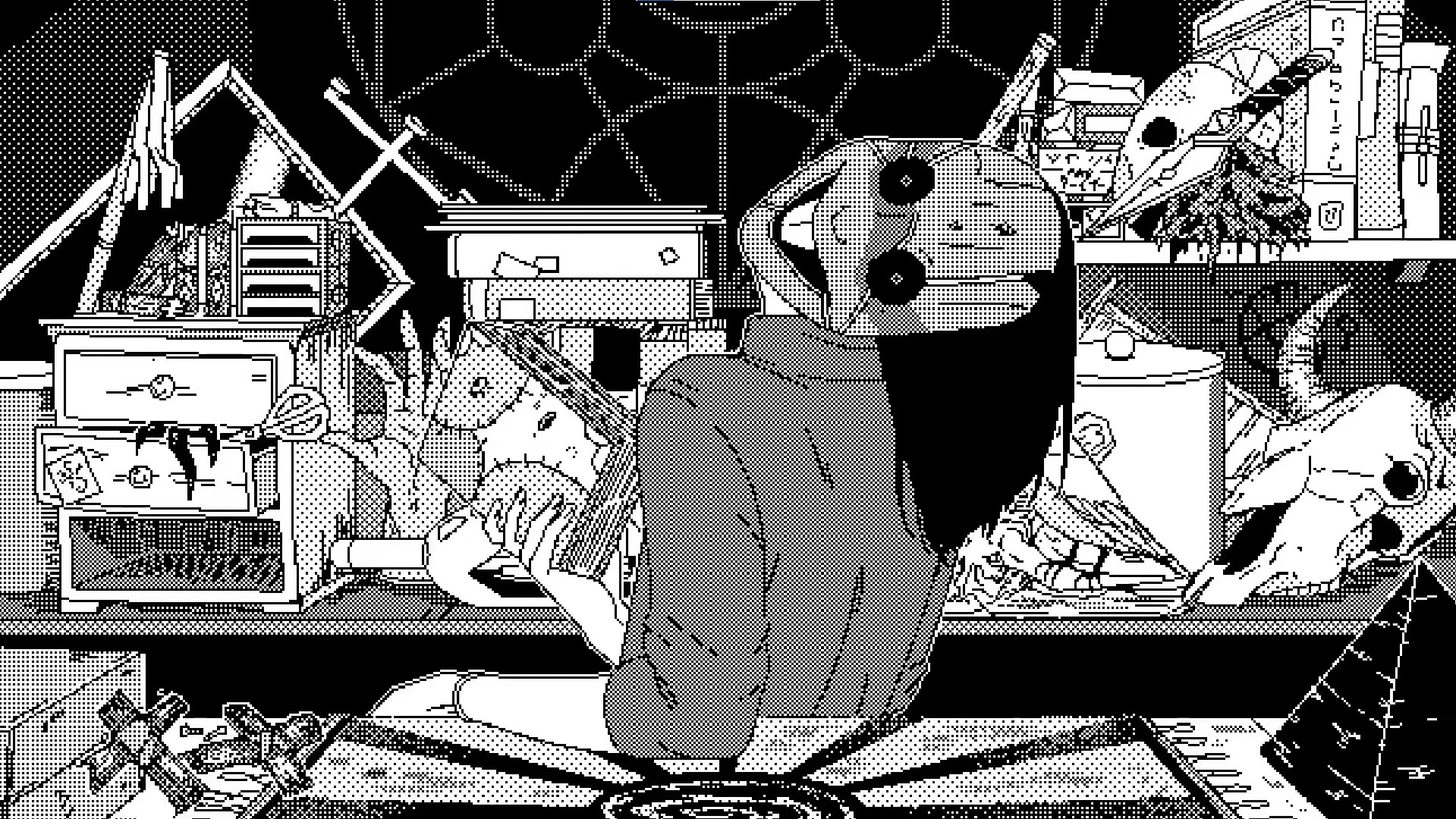
World of Horror
My time with World of Horror was marked inextricably with death, most notably my own. I wasn’t discouraged by failure in the tutorial, I wanted to keep going and explore the randomly generated events and robust enemy forms. This roguelike is the perfect amalgamation of horror lore, from the heavy influences of authors like H.P. Lovecraft and Junji Ito down to the artstyle jumping right from the pages of Ito’s work. The turn based combat, inventory, and health management are the perfect choice for this calibre of game, adding levels of intensity and fear as my character (and myself) grew weaker and more stressed the more horror they were exposed to. Rest not so assured, this game means the world to me.
By Joseph Nye
Recommended read: Reignited Childhood
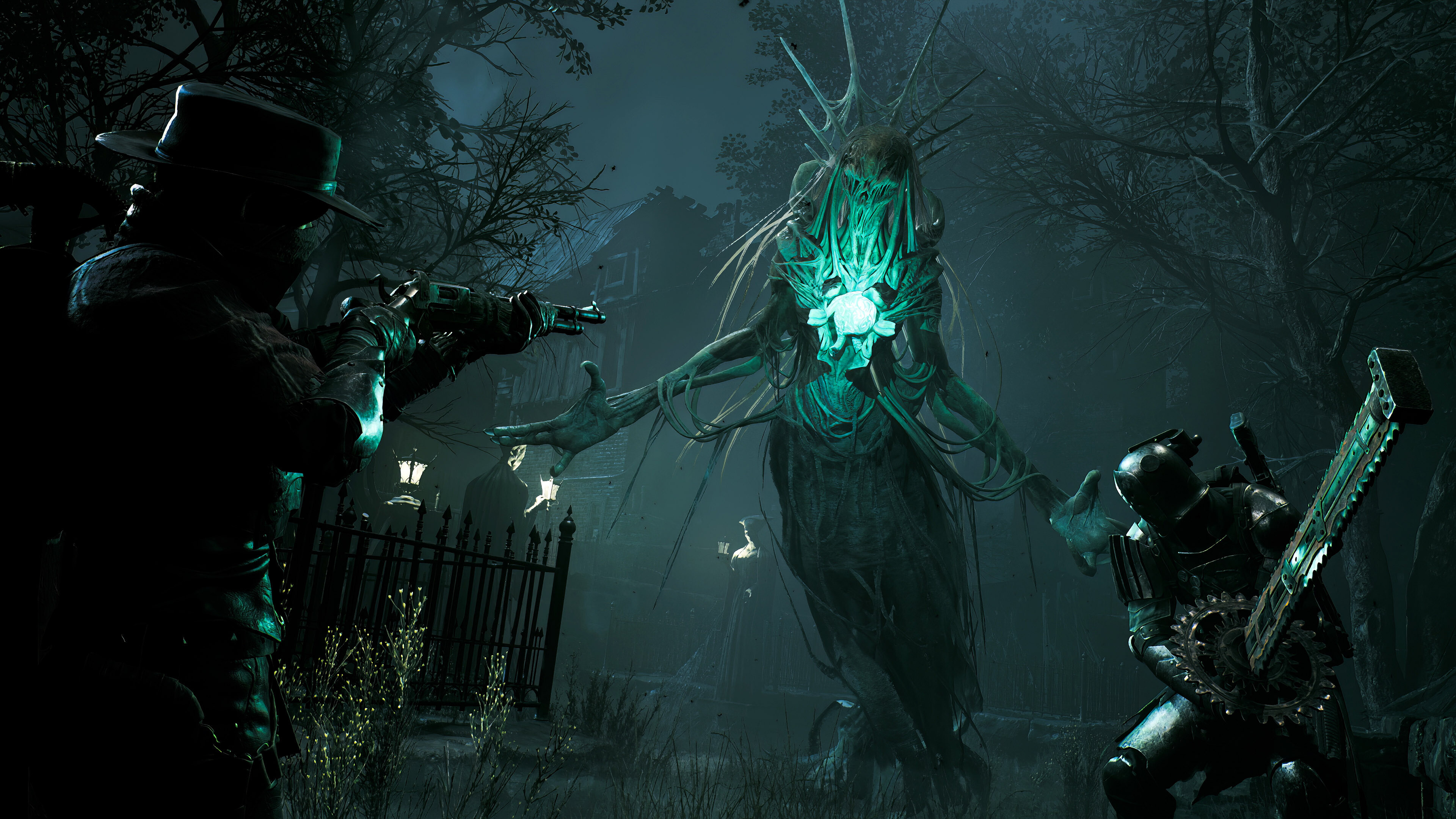
Remnant 2
“These fragments I have shored against my ruins.”
The procedural generation of roguelikes traditionally fosters a lack of consequence; what do my actions matter in the face of one more run? By contrast, Remnant 2 is all about consequence – about pulling on a world’s thread and seeing the tapestry unravel and reform each time I lay my hands on its iconic World Stone. Amid echoes of H.R. Giger, Bloodborne, and The Matrix, Remnant 2 contains multitudes within multiverses. I have played interdimensional chess with a statuesque fae, stood at the fringes of a supermassive black hole, and shepherded orphans across the rain-slick streets of a Victorian slum. These anecdotes invariably culminate in an explosive showdown against a deific boss: false kings, true kings, traitorous goddesses, all. My reward is a powerful memento to carry along with me – an atom-splitting greatsword or a rifle forged in the nightmare realm – until I become a walking mosaic of my experiences. And then I lay my hands on the World Stone, and do it all again; but differently.
By Nat Smith
Recommended read: Starfield review – a giant leap for Bethesda, a small step for RPGs
From the author: Donate to the Palestine Children’s Relief Fund
Backpack Battles
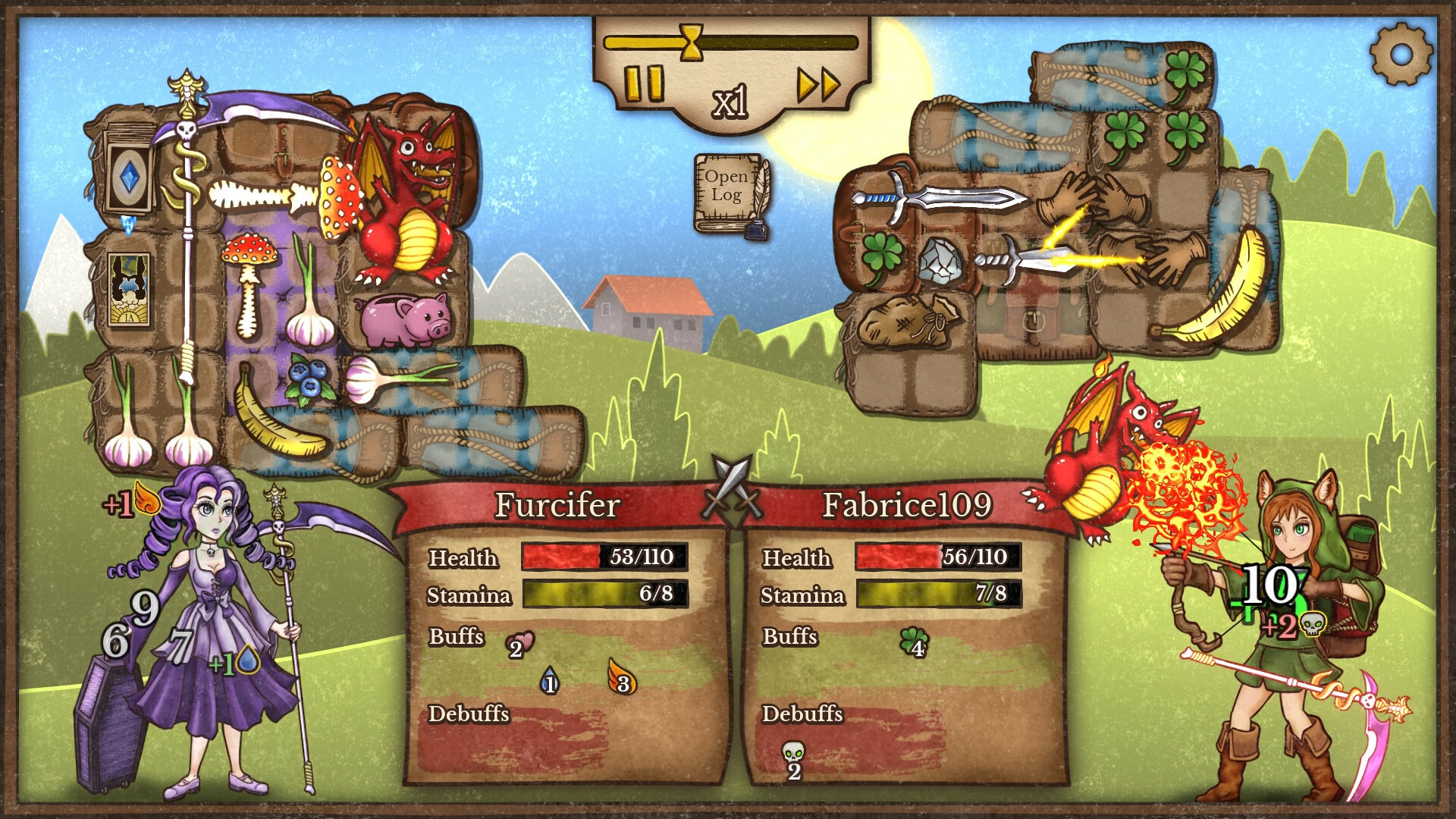
In 2023, I got my first office job out of college. I spend eight hours a day at the bad screen so I can spend a few more at the good screen. One game I played on the good screen this year was the Backpack Battles demo (the full game is scheduled for release in April 2024). It’s an online competitive inventory-management auto battler in which success depends upon how well you can stuff your backpack with items such as hammers, magic daggers, and bananas. I usually hate managing my inventory in video games. Isn’t it cool how a game can turn a chore into a fun, skill-based mechanic? Bad screen, good screen.
By Riley Madsen
Recommended read: Background Music

Dave the Diver
Some days, you really need a win.
Every character in Dave the Diver is just doing their best, and by God, the game loves them for it. The goals may change constantly, new mechanics may be introduced every time you blink, but the one thing that’s always true is that if you keep doing the thing you’re good at, you’re gonna be fine. If you play your cards right, you might even get to eat a meal so life-changing that it launches you into a musical cutscene. Who wouldn’t want to spend a few hours in that world?
Also, and perhaps most importantly: there’s a cat you can pet.
By Megan B. Wells
Recommended read: Forward, Always Forward
From the author: Musk can definitely go fuck himself

Tchia
“Fallen Leaves”
We are the fallen leaves
That leave you longing
For the love we lost
The wicked winds have left us damaged
Though the grieving gusts
Can’t pierce our persistence
Alone, we cannot recover
Together, our lovely laminas
Can realize the rhythm
When our bodies brush
We sing a sound
No wind could ever crush
With the melody
Of our rhythmic leaves
I can almost hear him sing
“Drei la ëjei’ö
Nekö jajiny?
Tchia”
By Steven Coffin
Recommended read: Comforting Escape
From the author: I’d like to give a big shout-out to UAW for their big wins this year! Strikes work!
Season: A Letter to the Future
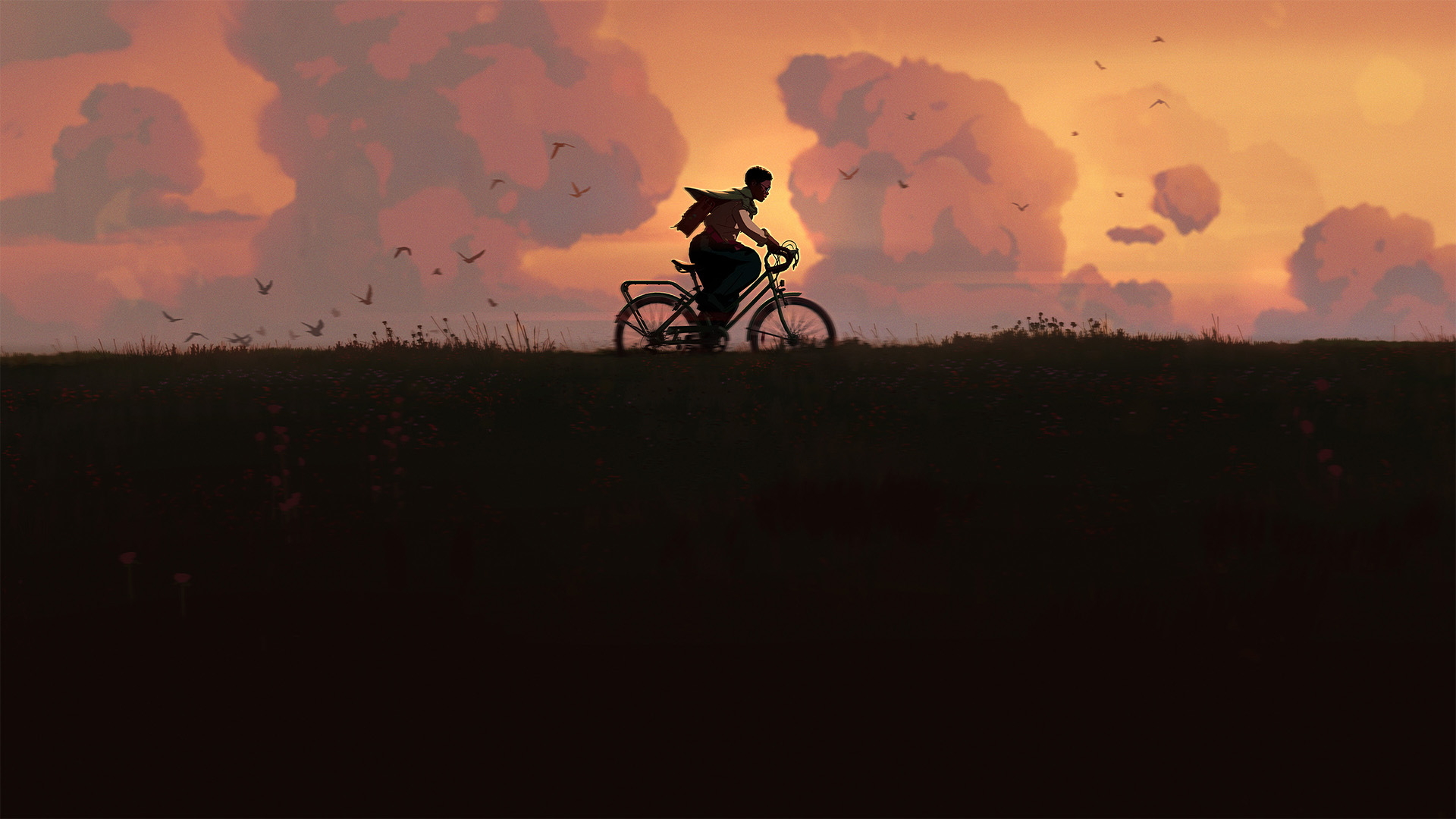
Season: A Letter to the Future is built around gamifying memory. You take photos, arrange them in a scrapbook, and preserve them for some future generation in the game’s world beset by frequent cataclysms. It could be an easy game to breeze through — snap some quick pics, bike down the road, move on. But I never once rushed my scrapbook pages. I luxuriated in the layouts, returning to spots to get the best shot and find the perfect visual for a given mood or moment. Season makes you consider – cherish – what you choose to preserve.
By Ryan Stevens
Recommended read: Walk Through The Valley
Editor’s note: See also – A report on Scavengers Studio creative director by GamesIndustry.Biz
Mineko’s Night Market
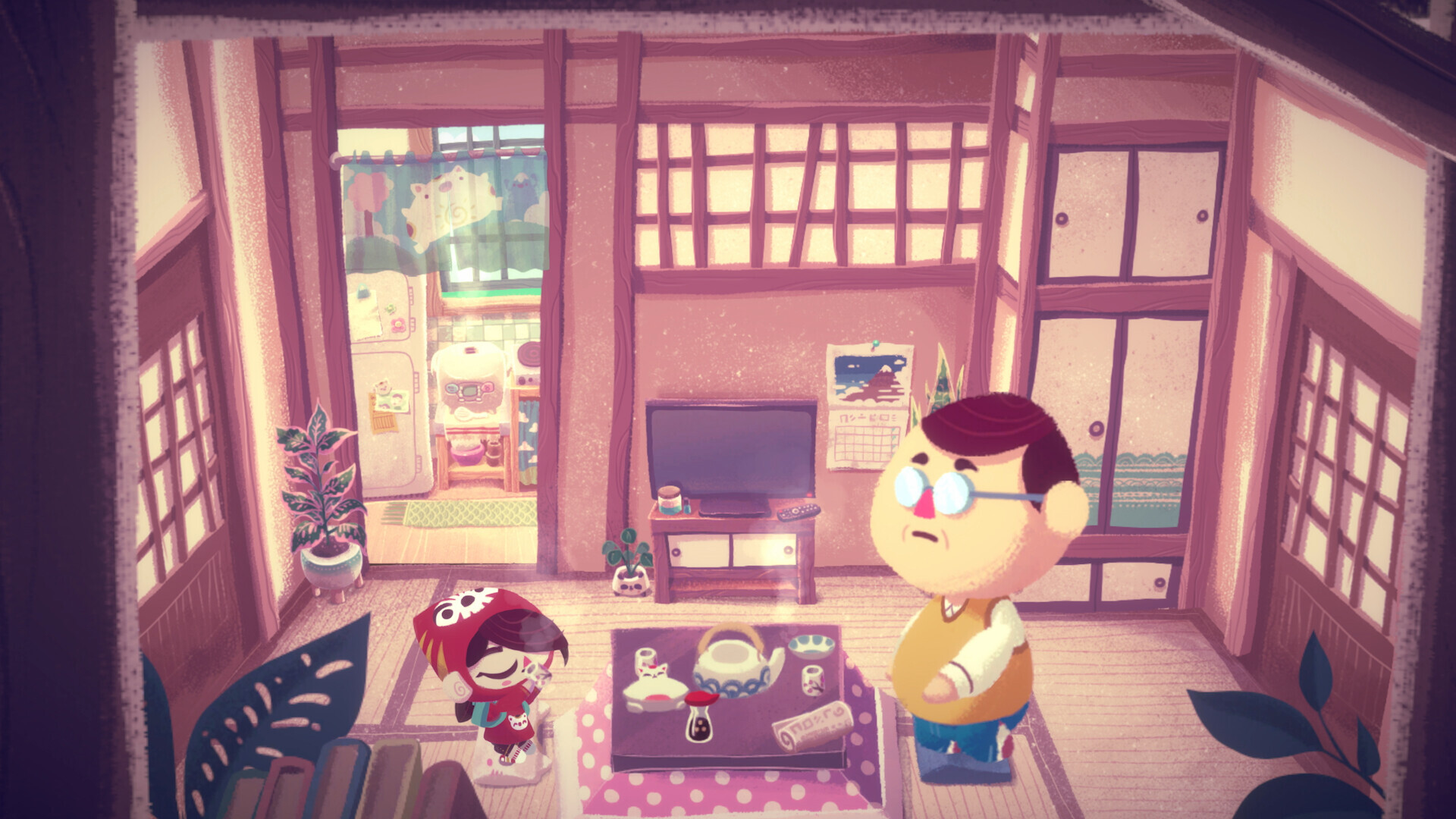
Whether we find ourselves the lonely kid in a new town or a powerful creature of ancient legend, we all need a friend, someone into whose eyes we can look and think, “I trust you.”
I trust you to help me on my quest. I trust you to keep me safe from nefarious forces. I trust you to bring me to a new place and show me that we can still make our lives work. There is risk in putting that trust in someone, just as there is risk in being the one holding that trust. To build ourselves a life of love, of peace, of plenty, we rely on this circle that spans between us and our neighbors and their neighbors and the world. It’s me, it’s you, it’s our weird dad, it’s a magical cat, and it’s the most important force in the world.
And if we make a mistake and break that circle? We try again. We move forward. We keep selling quality goods at the Night Market.
By Justine Ferko
Recommended read: The Behavior of Language

Baldur’s Gate 3
Yeah, it’s cool that I got to have sex with whichever companion I wanted. I even got to have sex with a bear. It’s cool I was supported by my them during my playthrough, and it was cool when they “approved” of me showing no mercy to undeserving characters. But nothing beats knowing that Astarion’s voice actor, Neil Newbon, is actually from my hometown.
While Baldur’s Gate 3 was a truly amazing experience to play, nothing brought me more joy than to know that Newbon has put Birmingham on the map.
By Jenny Stevens
Recommended read: Swan Lake
As a co-op person first and foremost, I found myself intrigued by this fantasy-themed game my friend recommended me. And my other friend. And my other friend. And my ex-roommate. And my in-laws. To put it lightly: everyone was talking about Baldur’s Gate 3 this year, and I wanted in on the fun. So far, in designing an evil cultist that sabotages every mission while playing with my spouse and a lovely gnome bard while playing with my friends over Discord (sorry babe), I’ve found that I am… bad at this game. And yet? That’s been half the fun.
By Rae Maybee
Recommended read: Growing Up on Halo

Alan Wake 2
Alan Wake 2 is my favorite video game of 2023, and the more I sit with it, the more I love it. There is nothing else like it. It is a culmination of a unique series of events and unique talent, and there will never be another Alan Wake 2. And for that, it is a hard game to recommend. It requires total buy-in into the “Remedyverse” (insofar as you need to have played almost every Remedy game and its DLC to feel every beat of the wavelength Alan Wake 2 is bopping on). Luckily, I’m bought in.
As Remedy’s first true survival horror game, it hums with discomfort from start to finish. It’s not just scary scary, it’s weird scary. It lets horror exist in the margins and not as repeated jump scares or the like. It burrows its way into you and, like Alan Wake himself, makes you second guess what you’re seeing on screen and who/what is friend or foe. But it isn’t just Alan’s story. Alan Wake 2 is a duet. This game introduces Special Agent Saga Anderson who is now easily one of my favorite video game characters of all time. I could go on and on, but Alan Wake 2 is best experienced as something wholly new (but also with all the knowledge of Remedy’s previous works; it’s complicated, okay). Let its surprises and strange tenor wash over you.
Show me the champion of light, I’ll show you the herald of darkness.
By Cole Henry
Recommended read: Highway to Hell

The Legend of Zelda: Tears of the Kingdom
Light is gone. The smothering Darkness engulfs me. What was Life has lost meaning in the Depths of Hyrule. No Grace reaches here, no Hope of fixing the past, the present, the future.
It fills my surroundings, this pulsating Gloom. Silhouettes of Ancient Gods edge the film of the Miasma. “This is where History has been left to be Forgotten,” I think to myself.
No, there is something in the distance, cutting away at the Nothingness. I see it – a Glowing Amber Root, vestiges of an Ethereal Light locked in Time. I reach out, the resplendent Glow beating back the Void around me, giving form to this land outside of Time.
“Keep Hope”. Ah, so there is still Hope left. A Tear to be shed for this Calamitous Kingdom.
By Hilton Webster
Recommended read: Virtual Archeology
From the author: Working in games is hard (and why I could only buy one of the big releases of the year), and it’s usually only the biggest voices that can afford to be heard. Games can persist for years through the community, and die within weeks despite a massive budget. Oh, and Free Palestine.
Dragon of Light, eyes of blue,
Reminds me of someone I once knew…
The Legend of Zelda: Tears of the Kingdom is a layered masterwork of an adventure. By intertwining tasteful callbacks with new material on a seemingly familiar map, Nintendo poetically enhances the framework of the game’s storyline. This is a story about recognizing patterns of the familiar in unfamiliar settings. This is also a story of seeing and trying but not always understanding something that is and is not just out of reach. The mindblowing 10,000-year-long scope of the story aside, there’s also a fantastic building engine that I hope Nintendo repurposes into some kind of spinoff house-building/tank-building side quest game. It’s just too much of a programming miracle to not be used again.
By Athalia Norman
Recommended read: Confronting Calamity
I met my first set in the Lanayru Wetlands. Fresh off the Great Sky Island, I thought I’d Ascend up to Morok Shrine for an easy Light of Blessing. Then I heard that scream. The sky turned red, the music changed, and there they were, bearing down on me: Gloom Spawn.
My only thought? RUN. The hands followed. I was so focused on them that I charged straight into an enemy encampment.
There’s academic argument about whether horror is more intense for passive viewers like moviegoers, who can only watch, or active viewers like gamers, who have in-world control. Gloom Hands offer something in between. You can try to avoid them, but that sure is hard to do when they spawn with little warning.
I didn’t have Zelda horror on my 2023 bingo card, but it added a rush to Tears of the Kingdom. I avoided Gloom Hands at first, but as I got braver, I let them chase me right into real life: I keep an amiibo-sized Gloom Hand on my desk. It haunts me while I work — and I hate to say, but we’re having a great time.
By Natalie Schriefer
Recommended read: Learning Self-Compassion
In the months leading up to The Legend of Zelda: Tears of the Kingdom, I was afraid I’d be let down by its lack of a new map. But, after memorizing every nook and cranny in Breath of the Wild’s Hyrule, my return to TOTK’s altered version of it somehow felt miles more exciting than what I wished for. I love finding wells, I love building useless contraptions to try to transport fish to my house, I adore reporting for the Lucky Clover Gazette, and I even love fusing terrible monstrosities (cheese arrow, anyone?).
Amid all this newness, though, my favorite moments have been the little reunions I’ve had — Bolson has moved to Lurelin Village, Beedle’s business is still going strong, Tarrey Town is thriving and my pals there have a kid now. Even just going to Hateno Village and watching the sun rise over an ever so slightly different landscape feels special, and that’s a feeling that’s stuck for over 100 hours.
By Amelia Zollner
Recommended read: How Splatoon fans discovered the secret of ‘Fuck You’ Tuesday
From the author: Free Palestine!!!

Scavengers Reign
Scavengers Reign isn’t a video game but it has the cadence of one. The animated series, set on a distant planet teeming with alien biology, centers on a group of crash-landed humans who must craft, forage, jump, run, and climb their way to survival — basically all the things you do in a modern open-world action game. But it’s not just the humans who have agency; so do the show-stopping flora and fauna who fuse and entangle with the humans and their technologies. What the series articulates beautifully is the opportunity that our current moment of ecological crises presents — new configurations of life within which we ourselves might think, act, and simply exist differently. There’s one character called Ursula, and Scavengers Reign deserves to be spoken of in the same breath as the works by whom I suspect her name is an ode to: the late, great Ursula Le Guin. It’s speculative sci-fi of rare imagination and genuine drama, less concerned with Darwinian survival than Le Guinian mutualisms: a blueprint for what could come next.
By Lewis Gordon
Recommended read: The Boundless Legacy of ‘Breath of the Wild’

League of Legends
It was 11 PM, in the middle of March after finals. A friend and I thought of just going into a PC café to see what kind of games they had. League of Legends popped up, a game I haven’t touched on a computer in so long because I had no PC here in Taiwan, and my Macbook would fry trying to run it. I was suddenly 18 years old again, playing alongside a friend, getting noisy about our kills and miscalculations to the point we were shushed.
It was then I realized I had forgotten what it felt like to play games for fun, and not just for a job or as a way to be read online. I’ve missed this part of me learning characters’ kits just because I wanted to, not for me to spew it out into the world because I think it would be useful for others and gain a little bit of capital. That night of League really helped fix my relationship with games, and also my fear of keeping relevancy on the internet. I can now just share and love things for the sake of it, and not be wrapped up in the capitalist spin of it all.
By Monti Velez
Recommended read: The Queerness of Akira
MyHouse.wad
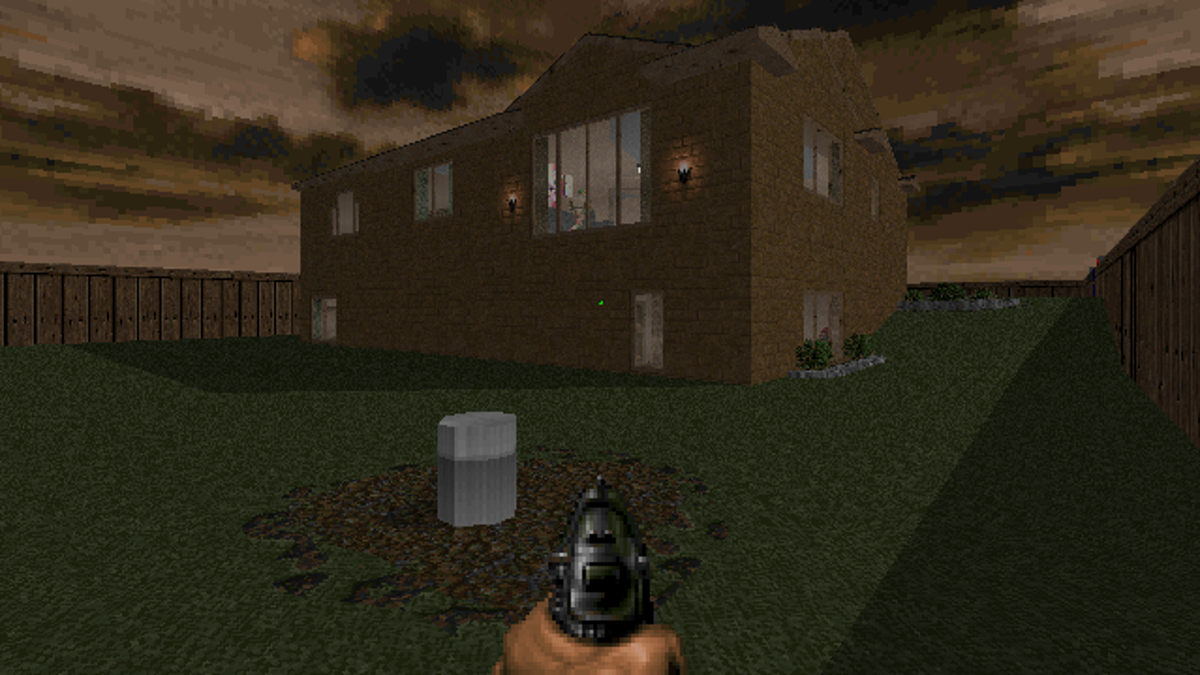
canine minotaurs guard a concrete labyrinth; inkblot phantoms constellate in free-falling airplanes;
visions course through FIREBLU static —
myhouse.wad is about being possessed by DOOM itself. it’s about how digital impermanence
means no one ever really dies. it’s about chasing ghosts in a burning house.
it’s about how, across prolonged trauma, we all become vehicles for DOOM. in search of answers,
we will our own horror to life. bullets shimmer through bloodclot cacodemons; meanwhile, tulpas
emerge from distended arch-vile corpses.
you spot the soul sphere outside your window. you dream of deserted airports, pale
hemodemons, bottomless bathtubs. DOOM becomes you.
By Pao Yumol
Recommended read: Yearning, Once More, to Forget
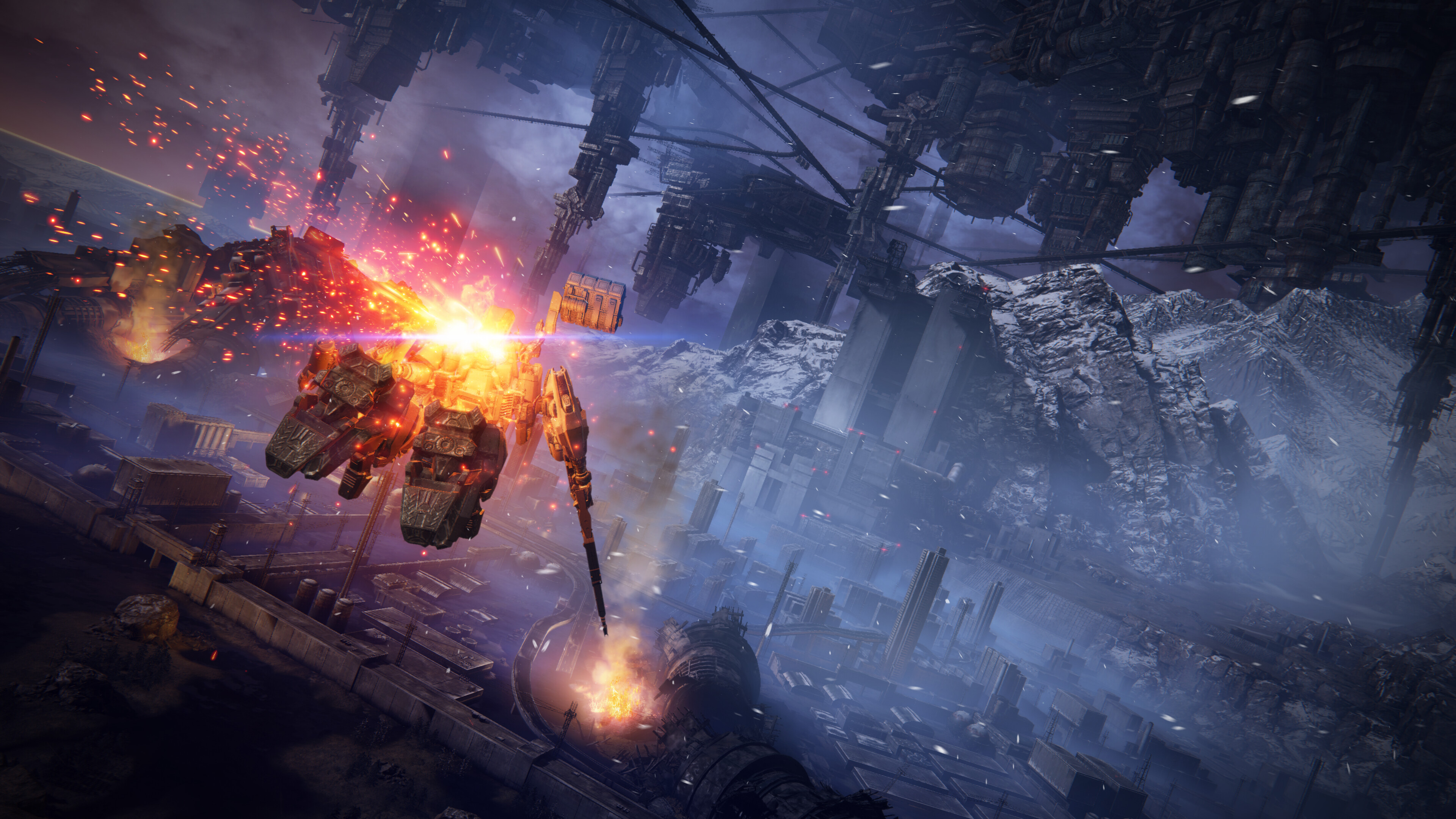
Armored Core VI Fires of Rubicon
“We’re trapped in the belly of this horrible machine and the machine is bleeding to death,” say Godspeed You! Black Emperor in their song, ‘Dead Flag Blues’. On the planet Rubicon where capitalist greed grew so terrible it set the literal cosmos on fire, dead cities resembling a boiler’s guts loom over the ashes. The titular, towering armored core mechs are made miniscule by these and mountain sized walking tanks. It isn’t subtle but it hits harder than a piledriver’s spike tearing through inches of armor plating. Can we go beyond these scorched skies? Armored Core VI makes me believe we can.
By Samantha Greer
Recommended read: The Last of Us’ best story got a lot more tragic on TV
From the author: Free Palestine!
In the three months since I platinumed Armored Core VI, I’ve found my thoughts continuously returning to the mech-littered battlefield. I can’t stop thinking about the despair of war as a gig economy. I can’t stop thinking about landscapes that groan under the weight of invasive megastructures. It’s so much manmade disaster and all broad-stroke shades of the painful “now.” But I also can’t stop thinking about how, because of the punishing difficulty spikes and a humanity stripped from itself, the unexpected ray of friendship hits all the harder, the insistence on “Buddy” as a metal wolf takes flight besides the raven.
By Wyeth Leslie
Recommended read: 56: The Division 2
Armored Core IV hits too close to home. You’re a number, an email address always popping up in their inbox. “Is there any work for me?”. The game reminded me of how rarely I have the opportunity to get too close to the people I work with. What’s their favorite game? How old are they? But that’s how freelancing is – in Rubicon or not. It’s meant to be distant, nothing personal. Even so, Armored Core IV also reminded me that there is always potential for meaningful connections, friendship, camaraderie, with other freelancers and those who we work with, which I have also found as a freelancer. All it takes is to stick to what we believe.
By Paulo Kawanishi
Recommended read: How a Twitch streamer is transforming the Brazilian League of Legends scene
