
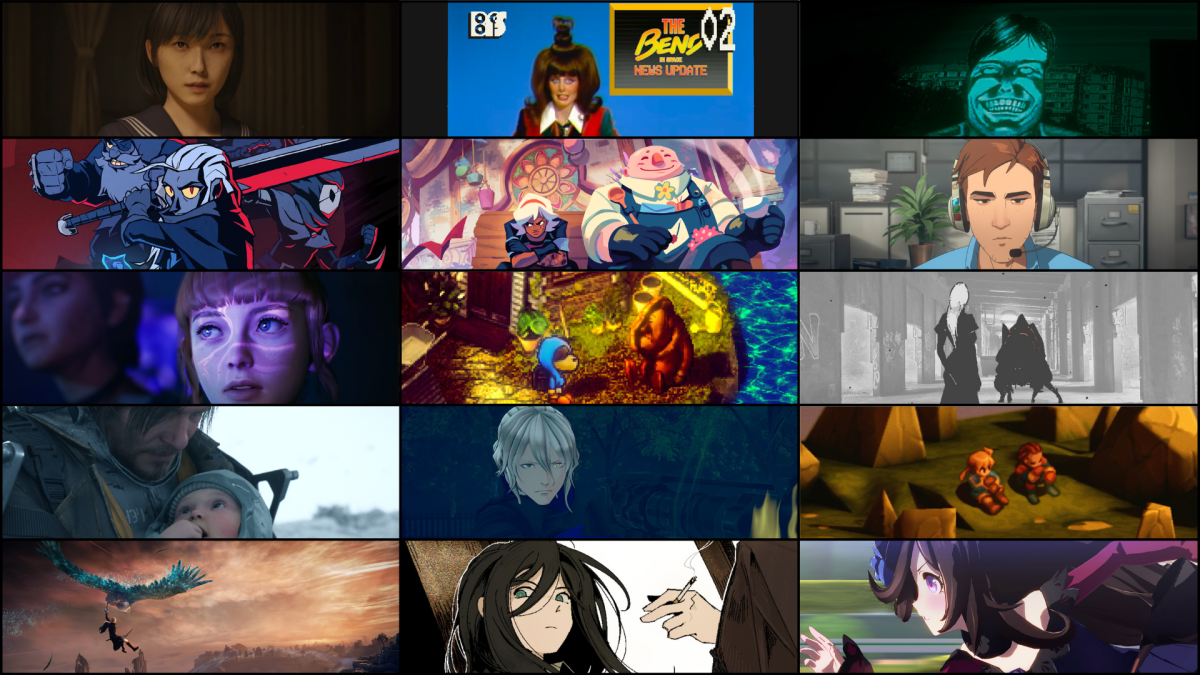

Absolum
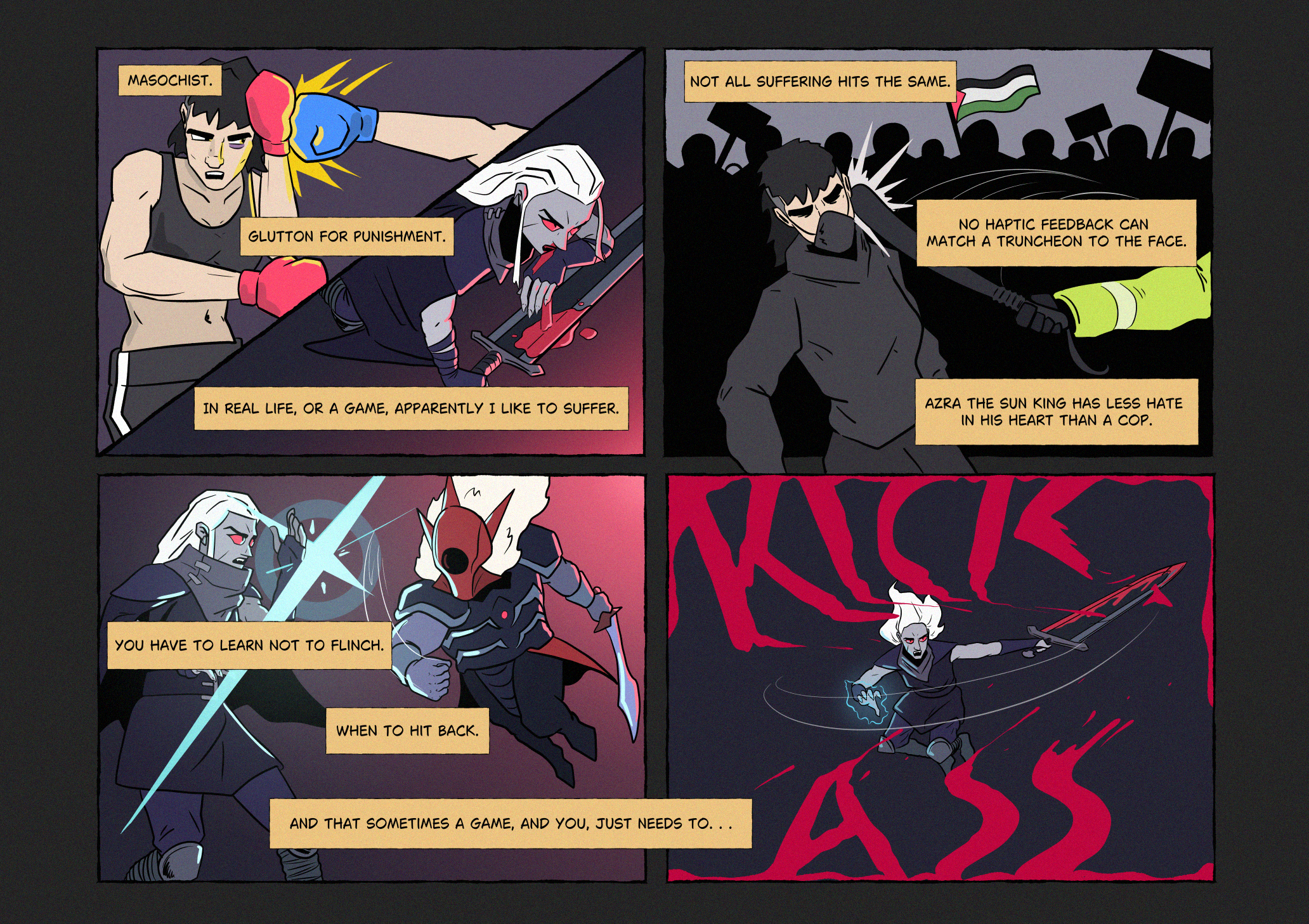
Original illustration by Samantha Greer
Recommended read: It Eats Planets
From the author: None of us are free until all of us are free. Free Palestine
Absolum is a game about resistance, just as much as it’s a game all about beating the hell out of monsters and bandits through many side-scrolling stages. I’ve always had a fondness for the beat-em-up genre — the hook of putting a badass brawler through their paces by decking fools and overcoming some gnarly bosses is something I can never get enough of. But what the developers do with Absolum is hone that concept into the structure of a high-fantasy roguelite campaign. Building off the super entertaining Mr X’s Nightmare DLC from Streets of Rage 4, Absolum really leans into the balance of high-skill ceiling combat with some slick build crafting with the four main rebels. You can really reach some truly ludicrous levels of power by learning your favorite fighter and tuning them with the spoils that can come from a new run. A good roguelite experience really taps into that “just one more run” feeling, and Absolum’s fantastic combat and encounter variety give it a unique take on the beat-em-up genre that reinvigorates it.
But where Absolum elevates its concept of a roguelite beat-em-up is with its storytelling, taking place in a world that’s slowly been overtaken by a tyrant. Absolum is not just about felling power foes, it’s also about seeing the heroes form bonds with each other through their many treks across the corrupted lands. In the process, the band of rebels will mend old wounds, reconcile with past trauma, and form a stronger community of allies. It’s about resistance in the face of oppressive times when all seems lost. In many ways, the act of giving it another run to see the crew of rebels fight and try to improve things in a world that seems doomed is a powerful conceit, and one that feels so timely now. And honestly, landing a fist into the face of a tyrant’s goon goes a long way in helping keep that fighting spirit alive.
By Alessandro Fillari
Recommended read: Control Resonant steps into a larger world that’s inspired by Neon Genesis Evangelion
From the author: F*** AI, F*** ICE, and Free Palestine

VA-11 Hall-A: Cyberpunk Bartender Action
Two years ago, my words first touched upon the people of Glitch City. The struggle to get through each dark day of their lives. The pasts they reckoned with. The drinks they sipped to warm up another cold, lonely night. The parallels to my own time mixing drinks and seeing lives change.
This year, those words have extended into an entire book. About forty thousand of them, to be specific. My blood, sweat, tears, and a little karmotrine poured into a complete compendium. Written during the single hardest year of my life thus far. But I kept the fire burning, despite it all. Thousands await it, having already spent their limited, mid-recession cash on it. One said they’ll stick around just to see it. That pressure is not lost on me. I can only hope it will be good enough for them.
Next year, I’ll be leaving the very bar job that I first compared to Jill Stingray’s, after four trips around the sun working shifts that hid it from me. At some point, when the sun is high, I’ll be able to hold that book in my hands. Published. Proven.
I thank you, Glitch City. I mixed drinks, and my life was changed.
Through the storm, I found a way.
By Ashley Schofield
Recommended read: I Don’t Want to Be This Kind of Animal Anymore
From the author: Read, follow, support, say nice things, and donate to Unwinnable, Stop Caring, Plant or Beast, No Escape, Bloomed Wings, Madeline Blondeau, Inner Spiral, and Mik Deitz. As the best writers and publications in the field (in no particular order), they more than deserve your attention, appreciation, and cash.
That we continue to persist at all is a testament to our faith in one another

Brush Burial: Gutter World
The huntress descends down the vines. A knife stuck to the map, like brush on a canvas, marks the spot. Future corpses for burial. She enters a portal to the world of gutters. Blunderbuss gunfire, colliding swords. A forked tail whips, snatching gold and keys. The word “KILL!” superimposed on a target. It all ends the same way: a heel in someone’s crotch, their head between the assassin’s meaty thighs, a twist of the neck, a loud ‘crack!’, and back to the house, where “I love you” is softly spoken between partners. Even in a world of sewers and violence, romance is still possible. Love never perishes. But you will, time and time again. So go ahead and die, and may you have unconditional patience for your mistakes. There’s no midlevel saves in Our World either.
By Artemis Octavio
Recommended read: THE WORLD IS NOT MY HOME
From the author: FUCK ICE
Editor’s note: Read and support Stop Caring

Wanderstop
Wanderstop wears the trappings of a “cozy game.” Its resources are abundant. Its tasks simple. Its aesthetics whimsical. Its star, however, is in the wrong genre. She’s supposed to be in a fighting game, or action adventure at the very least. Her sword has been torn from her hands. It is not simply an extension of herself; it is a synecdoche, the embodiment of her identity, or so she thinks. Dropping it is inconceivable. But she does.
Alta is more than her weapon, more than whatever tasks she can complete (despite her role as a quest-pursuing player character). What she needs is rest. Like many others, I saw myself in her. I, too, had been burnt to a crisp. But I faced her from the opposite side of a river — I’d already dropped the sword of my own volition.
What Alta let me do was pick it back up. To write again, and publish my first game review. Rereading the article now, I see I was still regaining my sea legs. But it doesn’t matter. Wanderstop gave me the opportunity to push open a door I had shut, and cross the threshold into something new.
By KM Nelson
Recommended read: Alien Minds
Wannabe
“It’s a shared setting,” I tell my husband that morning. “My dreams keep rotating locations.” Cruise ship flows into livestock barn flows into shopping mall flows into college dormitory. The same fear: starting too late, falling behind. An ensemble cast of disappointed classmates, friends, family members.
I’m scared of falling back asleep, even though I need it. Feet aching, head throbbing. Days crumble into weeks. Six more hours of slumber, still scraping the bottom. I see scattered constellations of old games media coworkers, industry peers. More stable. More scheduled. Seemingly self-sufficient.
Awake, I walk slowly, work slowly. I’m so goddamn tired. Music feels safer than games. But Jessica Winter’s “Wannabe” pokes the bruise:
I wanna be you
I wanna be youuu-uuu
But I’m not
Guess I’ve got to be me
It smarts enough to get me out of bed. Next year I will stop chasing someone else’s professionalism. Next year I will grow into this permanent limp, this knothole of neurodivergence.
By Taylor Hicklen (Bluesky – Portfolio)
Recommended read: Bambas! is a city playground that doesn’t judge my walk

Type Help
There are no ghosts in Galley House.
2025 marked the release of many excellent detective games, and Type Help certainly deserves its place in the roster. Deceptively modest in its presentation, Type Help is spun of magic and HTML. An impossible mystery resides within an old computer terminal, locked behind a vast network of puzzles for you to untangle, and every turn of the narrative reels you in deeper with questions that multiply like spores as you progress. It’s an exhilarating text-based adventure that takes full advantage of the power of discovery to tell a captivating and, yes, haunting story.
By Bee Wertheimer
Recommended read: Don’t Let an Algorithm Pick Your Next Game For You
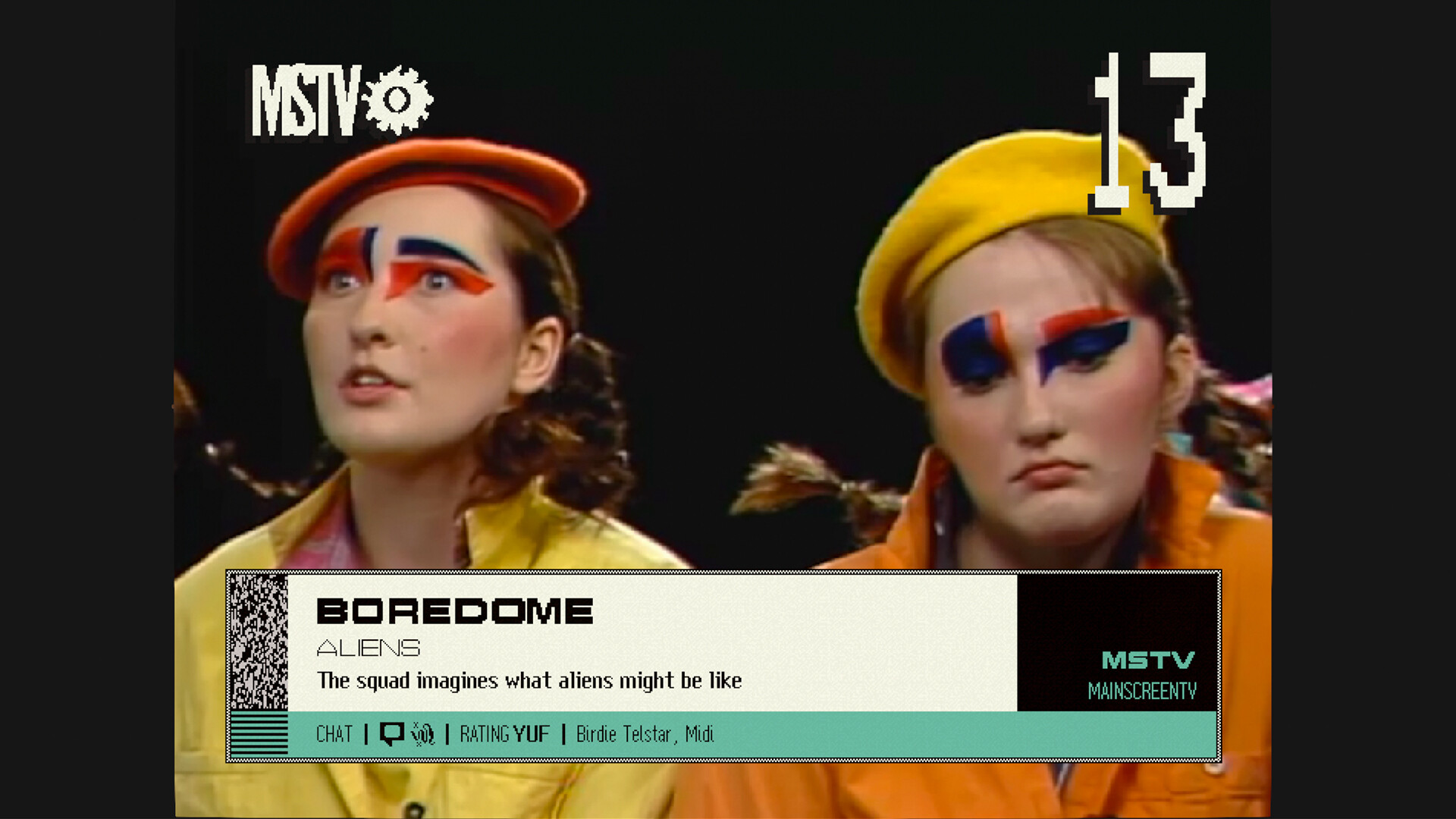
Blippo+
Blippo+ is a reminder of the joyful slowness of TV’s past.
One of the best games to come out this year wasn’t really a game at all. It was a channel-surfing simulator, and it was one of the best experiences I had this year. It reminded me of an unabashedly weird kind of TV programming we don’t really get anymore. Not only that, but I was reminded of television used to be like: thoughtful and slow.
Blippo+ captures a feeling of discovery that we used to have with television. It was organic. TV programming these days feels like… well… programming. We have the awesome, but paralyzing choice of any show on any streaming service at any time. We aren’t really discovering things, though. The algorithm is suggesting them to us, based on what we watch. And the process repeats, leading to less natural discovery.
The beauty of Blippo+ is that it resets that relationship. If you want to watch something, you have to wait for it to be broadcast. This is even better on the Playdate version, where you’re stuck with “reruns” until the next week’s broadcast “packette” is ready to download. Patience makes us anticipate the next episode of “Realms Beyond” or what the latest rumors will be on “Small Talk”.
It’s a reminder for all of us to slow down, digest what we watch, and learn to love anticipation. “Absence makes the heart grow fonder,” as the old saying goes. Blippo+ also allowed me to discover new favorite shows, like I used to experience when I was much younger. We don’t necessarily need to flock to cable, but maybe we should consider slowing down and discovering new things. Not just on TV, but in all parts of our lives.
By Justin Grandfield
Recommended read: Optional Gay Men
From the author: Give cash to your local food bank! It goes a lot further than donated goods!

Unionization
Call that metagaming: the workers of the games industry have made huge strides in their unionization speedrun any%. From further teams unionizing at long-standing industry giants like Blizzard and id Software, 2025 has been a banner year for industry organizing. March of 2025 saw the announcement of United Videogame Workers-CWA, the industry’s first direct-to-join union in the US and Canada associated with CODE-CWA and the Communication Workers of America. Since they marched through GDC, UVW-CWA has amassed almost 600 members and elected their first executive board. They even went as far as staging a picket line outside Geoff Keighley’s The Game Awards in LA, decrying the way that executive greed has gutted the industry and artform.
However, while there is much to celebrate this year, the fight continues. In late 2025, 34 members of Rockstar Games (31 from their Scottish office, 3 from their Canadian office) were fired in an alleged act of union busting. While Rockstar alleges no wrongdoing, claiming that the 34 in question were in violation of their confidentiality agreements, the Independent Workers Union of Great Britain strongly contests this claim. But with initial data from GDC/Informa’s “State of the Games Industry” questionnaire showing a strong positive view of unionization from those who responded, 2026 could shape up to benefit from the incredible velocity already gained by the efforts of organized game developers worldwide.
By Anna Webster (Bluesky – Website)
From the author: JOIN UVW-CWA! PARTY UP AND BEAT THE BOSSES
Dispatch
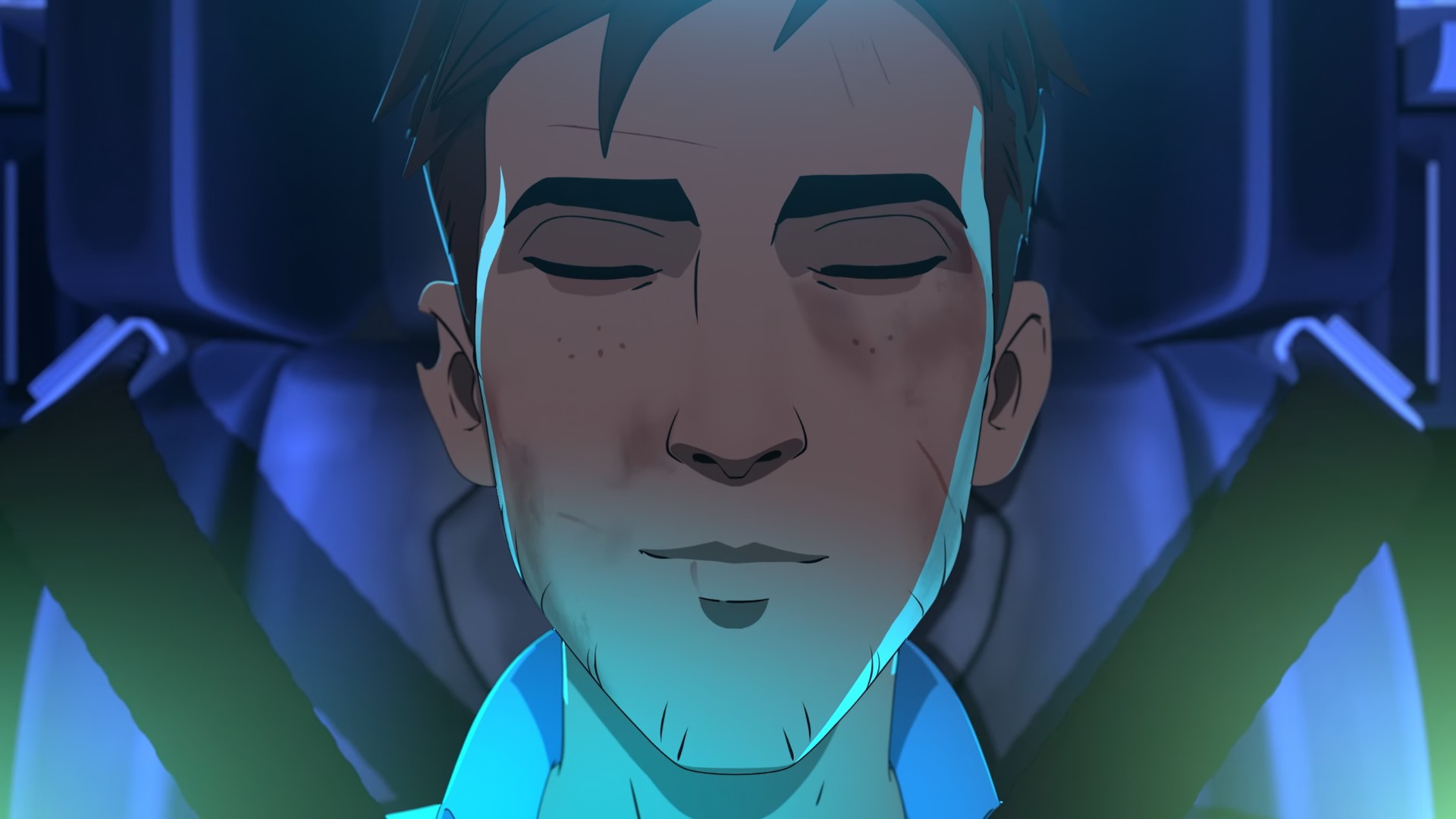
Hope is not a strategy; otherwise, Oscar Piastri would have won the title of world champion in Abu Dhabi, Jame and the four rookies would have reached playoffs in Budapest, and I would have found a job in this cold winter. So how can one meaningfully situate the frustrated self alongside the more accomplished others? Dispatch offers an answer by refusing Superman’s moral certainty and Homelander’s twisted cynicism.
It begins by stripping Robert Robertson of the powerful suit, exposing an ordinary body in an extraordinary world, and casting him back into the mundane routines of everyday life. But even so, Robert and his teammates still dare to follow the faint trace of hope with a weary but unyielding patience. Whether they truly believe in an upward-looking optimism or simply perform it as part of the job, I treasure that passion to seek out a glimmer of light, especially in today’s weather of stagnation and restlessness.
By Zonghang Zhou (Bluesky – Twitter)
Recommended read: Corrupted Hero, Corrupted Dream
From the author: “Hope cannot be said to exist, nor can it be said not to exist.” – Lu Xun
In March of 2025, I married my best friend after nine years together. By September, I was living alone and over 20 hours away while I started a new job and she wrapped up her PhD. It has been my first time ever without the comforting bubble of life outside my head from family, roommates, or significant others.
I’ve flown back once and have occasionally seen regional friends, but those amount to just nine days of socializing out of the past four months. The loneliness damage modifier isn’t helped by the fact that 99 percent of my furniture is still half a continent away, arriving with my wife in a month.
I picked up Dispatch on a whim. Being an absolute sucker for “found family” stories, it didn’t take long to win me over with its cast of loveable misfits. Then, in the game’s second half, a concentrated dose of LCD Soundsystem “All My Friends” arrived to knock me flat as everyone comes together to throw a surprise housewarming party for a sad man trying his best.
I’ve played through Dispatch four times now and whenever Robert Robertson’s pad grows crowded with friends my heart fills to the seams in anticipation of getting to do that in my own life once again.
By Wyeth Leslie
Recommended read: 56: Mad Max
From the author: Shoutout to everyone continuing to hone their art in this age of AI-assisted atrophy.

Building a PC
You ever feel like you got to experience the end of something great?
That’s what building a PC in December of 2025 felt like. After all, in the two days between when I started pricing out a machine and bought the parts the price of RAM increased 100%. In the time since, it’s increased even further. Before the end of the year, GPU prices also started to jump (thanks to Nvidia announcing plans to cut consumer GPU production by 30% to make room for more AI investment).
I worry that others won’t get to experience “their first builds,” an experience I found to be a stressful, exhausting, surprisingly emotionally attritional nightmare. Because it was also probably the most rewarding thing I have done in years.
Come the end of February, as the last of the already allocated stock dries up at the end of the fiscal quarter, the games industry will have to reckon with the fact that it’s outside a particularly nasty bubble. More and more people will be priced out of this hobby and art form, so some pissant can generate Mickey Mouse with big boobs or whatever Grok does. The thing I worry about is that being outside a bubble might mean you aren’t making ludicrous money off the backs of idiot venture capital types, but if 2008 taught us anything, it’s that being the splash zone when it inevitably pops… that’s where the real damage happens. I just hope we can prepare ourselves for that.
In the words of that depressed reporter filling three minutes of airtime for his local news affiliate, ”February is the worst month of the year, but it’s an honest month… something great happened here, but it’s over with.”
By Lex Luddy
Recommended read: Call of Duty: Black Ops 7 Review: Soulless and Soul-destroying
From the author: Donate to Transgender Equality Network Ireland
Editor’s note: read and support startmenu

Keep Driving
Your first car is a gateway to freedom – go anywhere! Explore! Make your world so much bigger than it used to be! It’s also a tremendous liability: Gas! Insurance! Repairs! Try not to die behind the wheel! Keep Driving captures the thrilling youthful wanderlust and the painful material minutiae of the automotive experience – you’ll get lost, get stuck in traffic, get pulled over, and most importantly, you’ll go a lot of places you’ve never been before. Life is a journey, and Keep Driving makes it so that even when you get to your destination, you’ll still want to keep on moving. Never slow down, never stop – this road could lead you anywhere.
By Ryan Stevens
Recommended read: Doomed Vaporwave Future
From the author: Free Palestine, if you use AI you’ve given up your own humanity, shoutout to BDS Movement
Ōkami HD
There’s no room to ease into this: our world is dying. This shouldn’t come as a shocking revelation; 2025 tips us closer to the critical 1.5°C global warming threshold that the Paris Agreement has warned us about for the last decade. That’s a horrifying notion. How do we heal this broken world?
We need direct action.
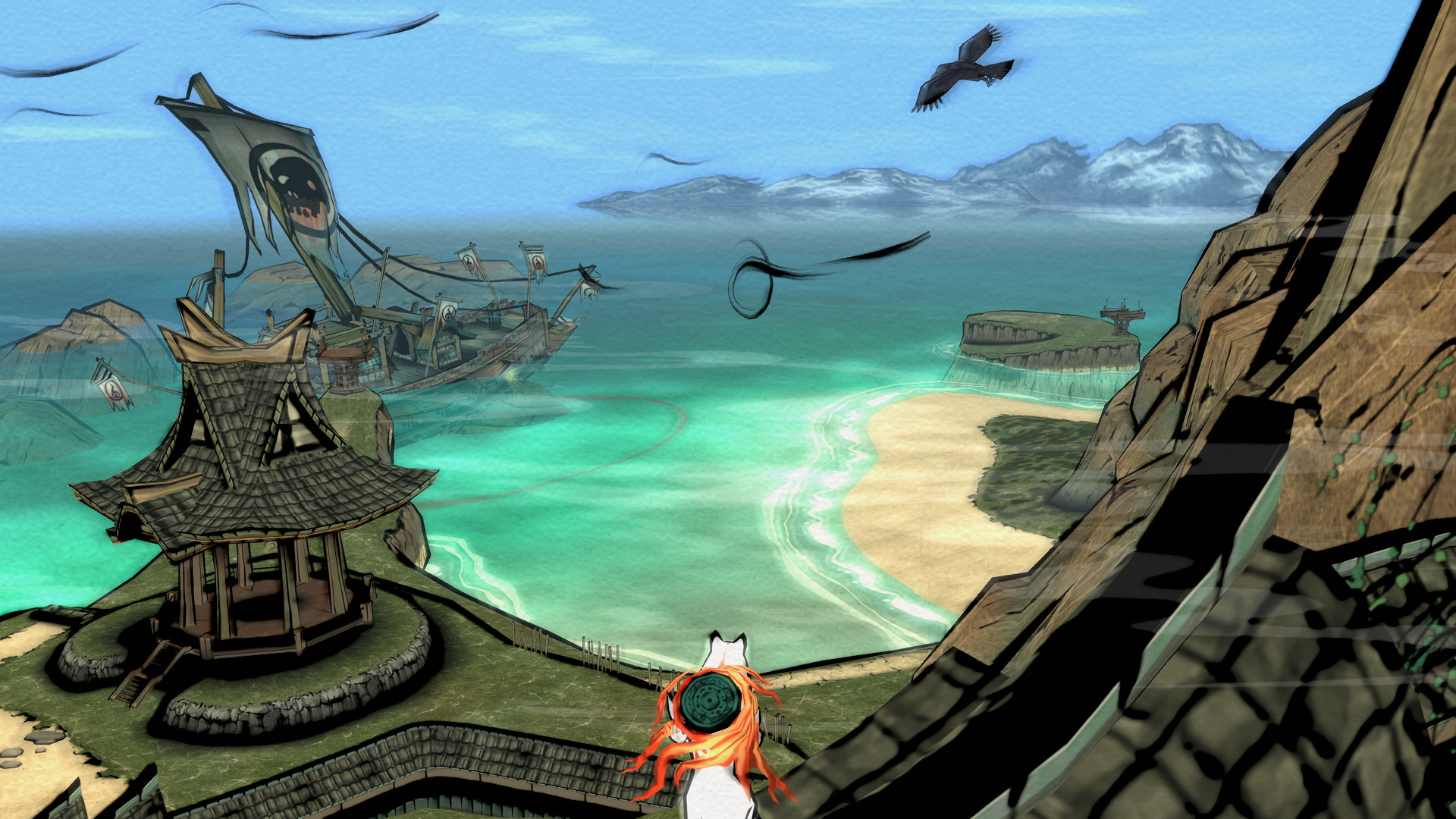
Ōkami, amongst all its other endearments, beautifully illustrates this. Rejuvenation. Bloom. Greenspout. Ammy’s brushstrokes bring life back to devastation, and it feels damn good to heal Nippon this way. The Celestial Brush’s effects aren’t as immediately tangible as blowing up a Mako Reactor, sure — but who among us has a freaking Buster Sword? Brushes are in much more ready supply.
“Amaterasu, now is the time. We have never needed your power more. Shine your divine light upon this broken and polluted world.”
There’s no room to ease into the fact that our world is dying, but Ōkami eased me into the idea that direct action is fully within my own means. It’s within yours, too.
By Perry Gottschalk
Recommended read: Eternal Summer
From the author: Ammy knows Power Slash, too. To all my Mako Reactor-hating friends, check out Andreas Malm’s How to Blow Up a Pipeline. I’d also like to link to the US branch of the Rainforest Foundation

Atomfall
Set in a dystopian alternate reality, Atomfall begins in the aftermath of a cataclysmic event, gives you a blank-slate, amnesiac character and says, “Figure out what the hell happened here and save the world – or not. Whatever.”
It’s got Fallout-Bioshock-Metro-S.T.A.L.K.E.R.-Heart of Chornobyl vibes, with enough multiple paths, outcomes, and achievements to satisfy my little completionist heart. I love that Atomfall throws you into the game like it just tossed out the trash. No slow character build, no meet and greet with the neighbors, no gentle tutorial.
Atomfall births you into a broken and unfriendly world, no name, no memory, and asks — who are you going to be? Discovering all the possible ways to answer that question is what makes playing and replaying this game so delightfully satisfying.
By Heather Labay (Portfolio)
Recommended read: Raptured Memory
Promise Mascot Agency
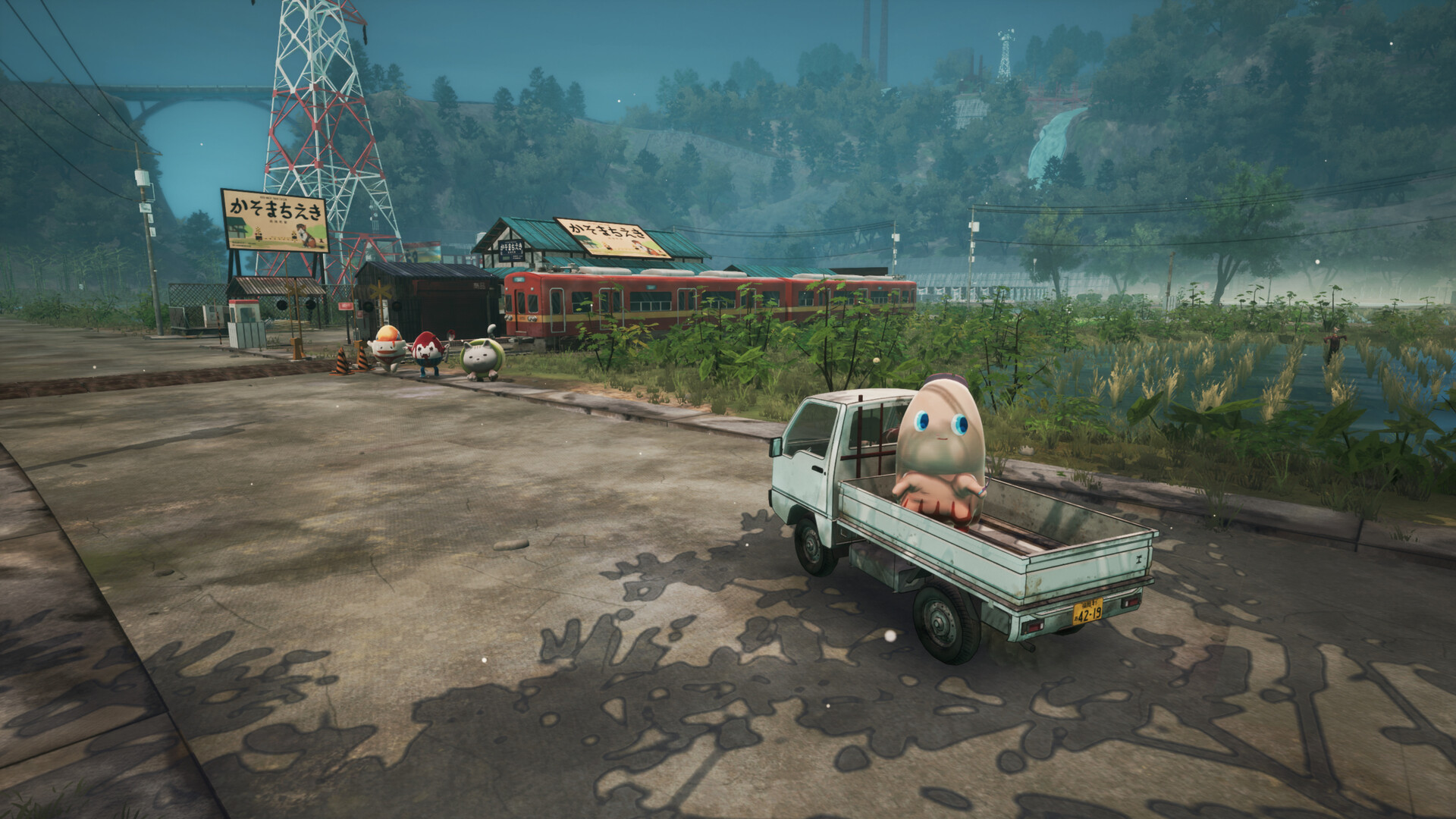
If you’re anything like me, the quickest way to interest you in a game is by telling you it’s kind of indescribable. I’m hoping that’s enough to sell you on Promise Mascot Agency, because getting into the details of this game tends to make you sound like a raving maniac. It’s an open-world driving game, but it’s also a magical mascot management business sim with card battle minigames, but it’s also a crime drama that plays out like a manic Japanese fever dream. Does that help? Not really? How about this: just get Promise Mascot Agency already and let the fever dream overcome you. I guarantee you it’s like nothing you’ve ever played (and you’ll never look at tofu the same way again).
By Kat (Pixel a Day / Bluesky)
Recommended watch: Blue Prince is the Best (and the Worst) of Exploration Puzzle Games
Chainsaw Man – The Movie: Reze Arc
I’m not enough to define myself. I am because others see me and think about me. Thanks to their words and actions, I can be someone. Love can be something that revolutionizes what you feel about yourself and the world. And when you are in an unstable moment of your life, its outcomes can be devastating. Like a bomb exploding next to your head.
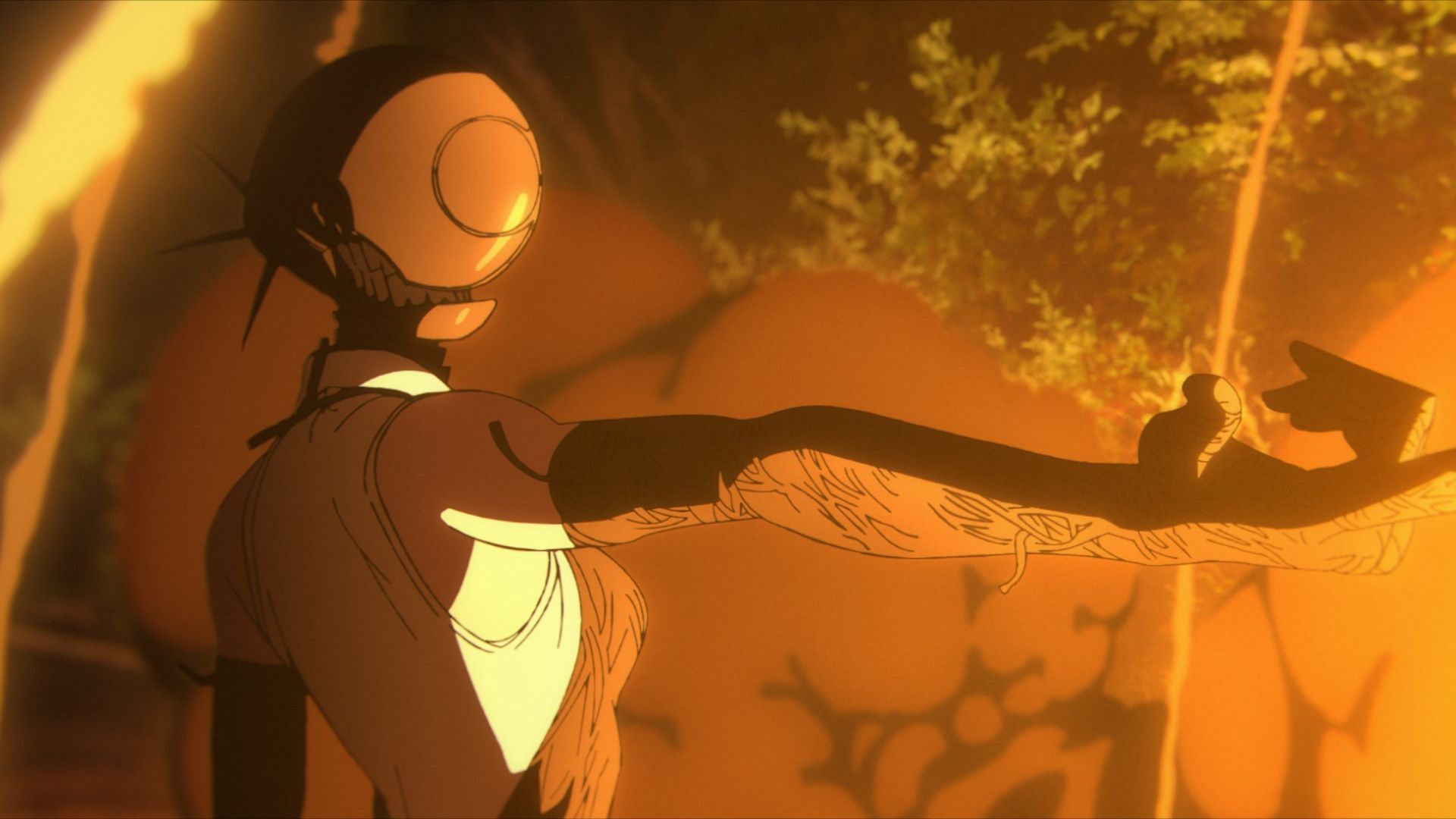
Chainsaw Man – The Movie: Reze Arc is all about this. It’s not only a terrific visual spectacle with some of the best artists in the industry, but also a piece of media that represents the explosive nature of falling in love with someone, with all the beauty and dangers that it brings.
By Axel Bosso (Twitter – Portfolio)
Recommended read: Street Fighter 6 is the ultimate fighting game toolbox
From the author: A Caputo en la plaza lo tienen que colgar
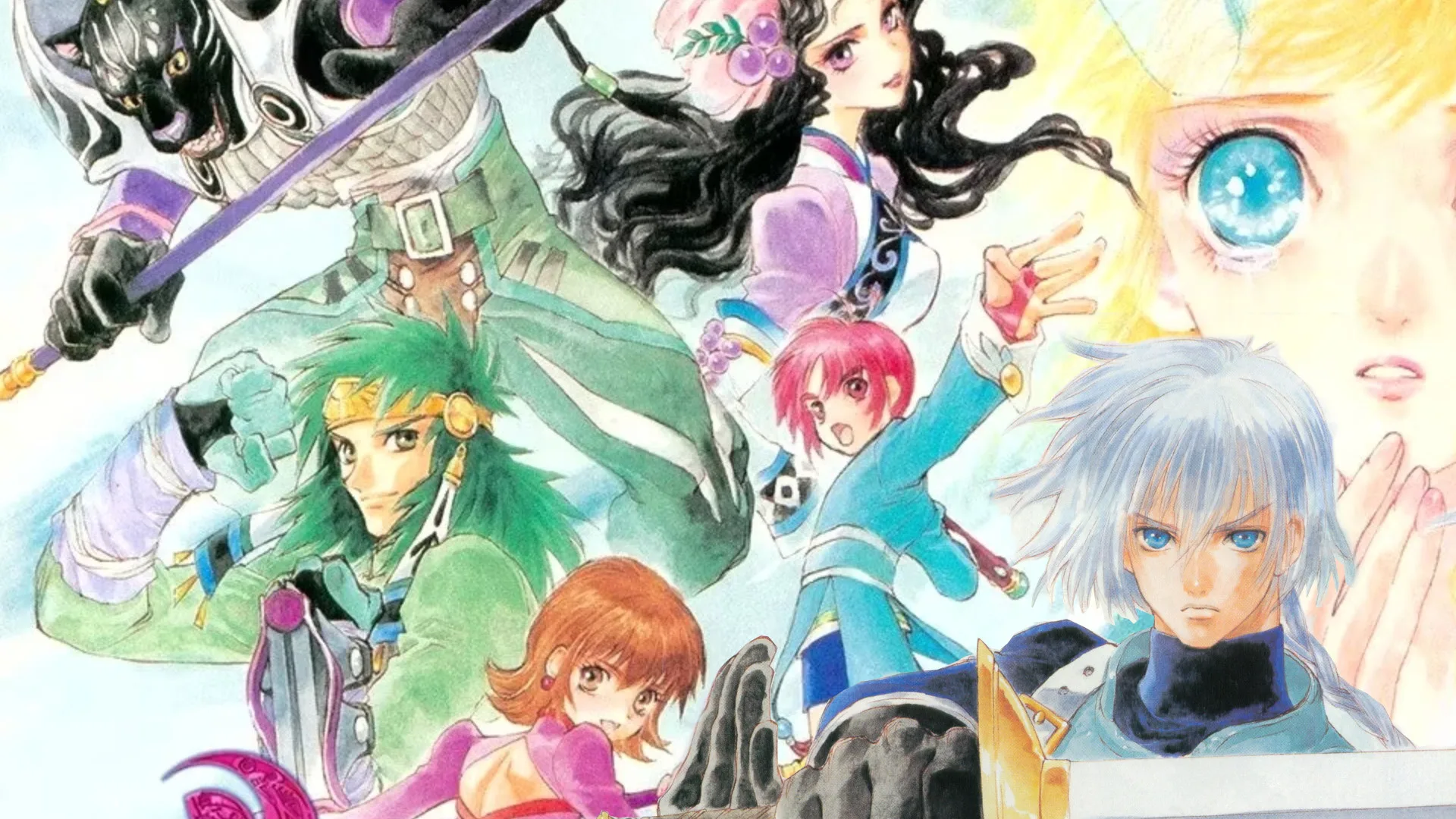
Tales of Rebirth
I didn’t have any expectations going into Tales of Rebirth. I wasn’t even aware of the “Veigue yelling Claire’s name” meme that most series fans, even those who never played Rebirth, seemed to know.
Tales of Rebirth is amazing. The combat is fun, but more importantly, its story about the conflict between Huma and Gajuma is moving, and more pertinent than ever. Claire’s amazing speech as she advocates for the Gajuma and Hilda’s journey to accept herself should be just as well-known as Veigue’s yelling. I don’t usually get my hopes up for remakes or remasters, but Tales of Rebirth could really do with a revival.
By Niki Fakhoori (Bluesky – Portfolio)
Recommended read: Final Fantasy Tactics Memes Prove Video Games are Art

How Fish is Made
Why does every adherent of the “nothing matters” mindset act like they were the first to discover nihilism? Look, I’m sympathetic. We were all fourteen once; we’ve all been awed by the depth of a sharp edge’s cut before we came to realize that functional blades depend on shallow angles. At least this aggressively feel-bad freeware excursion treats its hopeless subject matter with an appropriate amount of humorous disdain. Despite moments of genuine hilarity, How Fish is Made’s message (such as it is) has stuck with me less than its fishy protagonist’s intentionally unpleasant animations.
By Alexander B. Joy
Recommended read: Legend of the River King
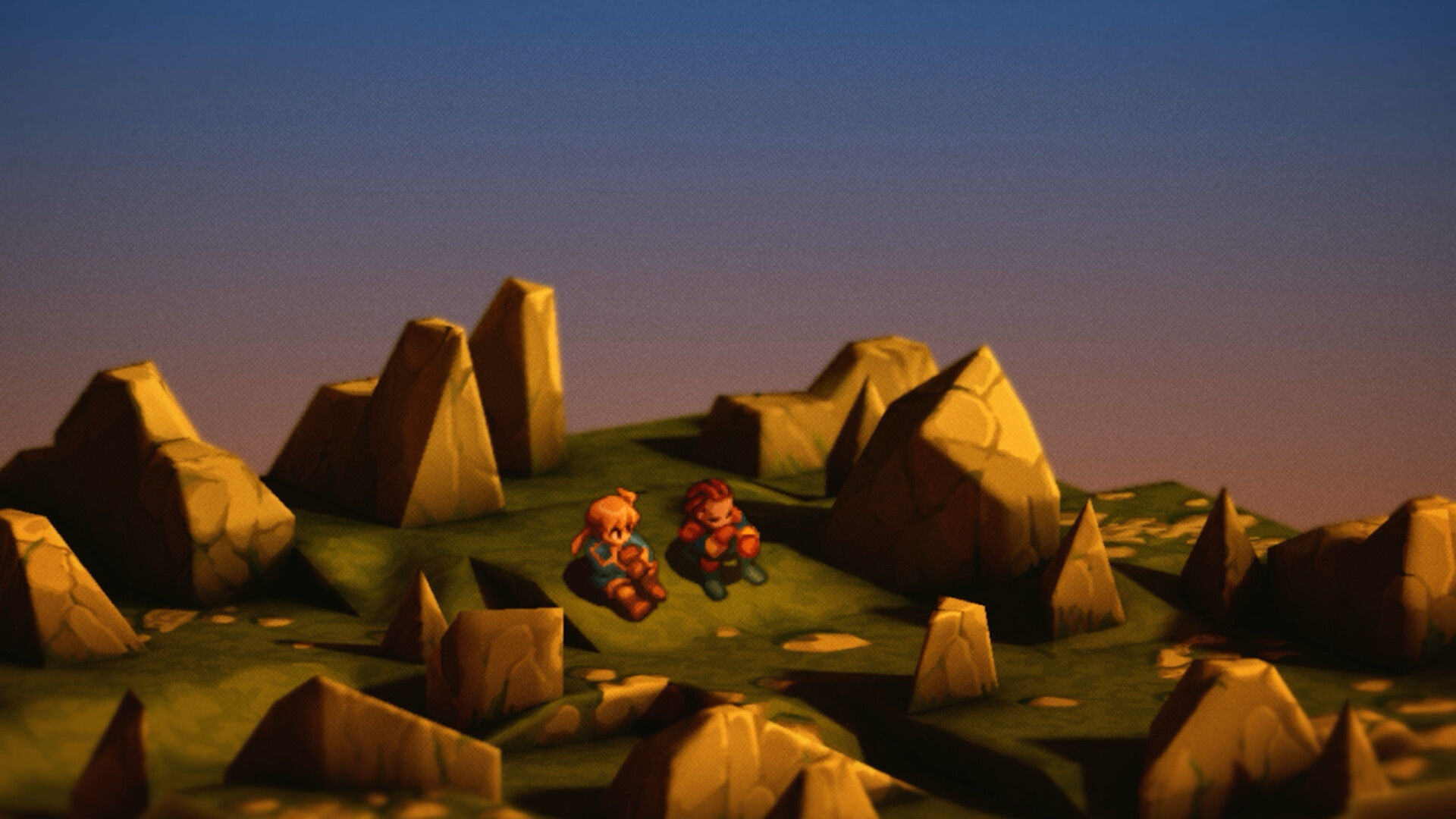
Final Fantasy Tactics – The Evalice Chronicles
The original Final Fantasy Tactics is worthily regarded as one of the best games ever made, a cornerstone of tactics RPGs and one of the most nuanced and captivating stories in games. It is also aggressively obtuse, difficult to play and often ponderous. These are all issues mitigated in its latest presentation. Onboarding is refined, quality of life features abound with updated pixel art, rendering, and UI.
However, the most pronounced addition, in my opinion, is its new voice acting. In this form, Final Fantasy Tactics realises its true calling. A playable, dioramic play. The game’s story of class inequality and struggle is one to take heed of in current times and once you have dispatched an encounter by some fine margin you’ll get to sit back and luxuriate in its exquisitely written dialogues and highly dramatic deliveries.
By Gregorios Kythreotis
Recommended read: Eteo Archetypes
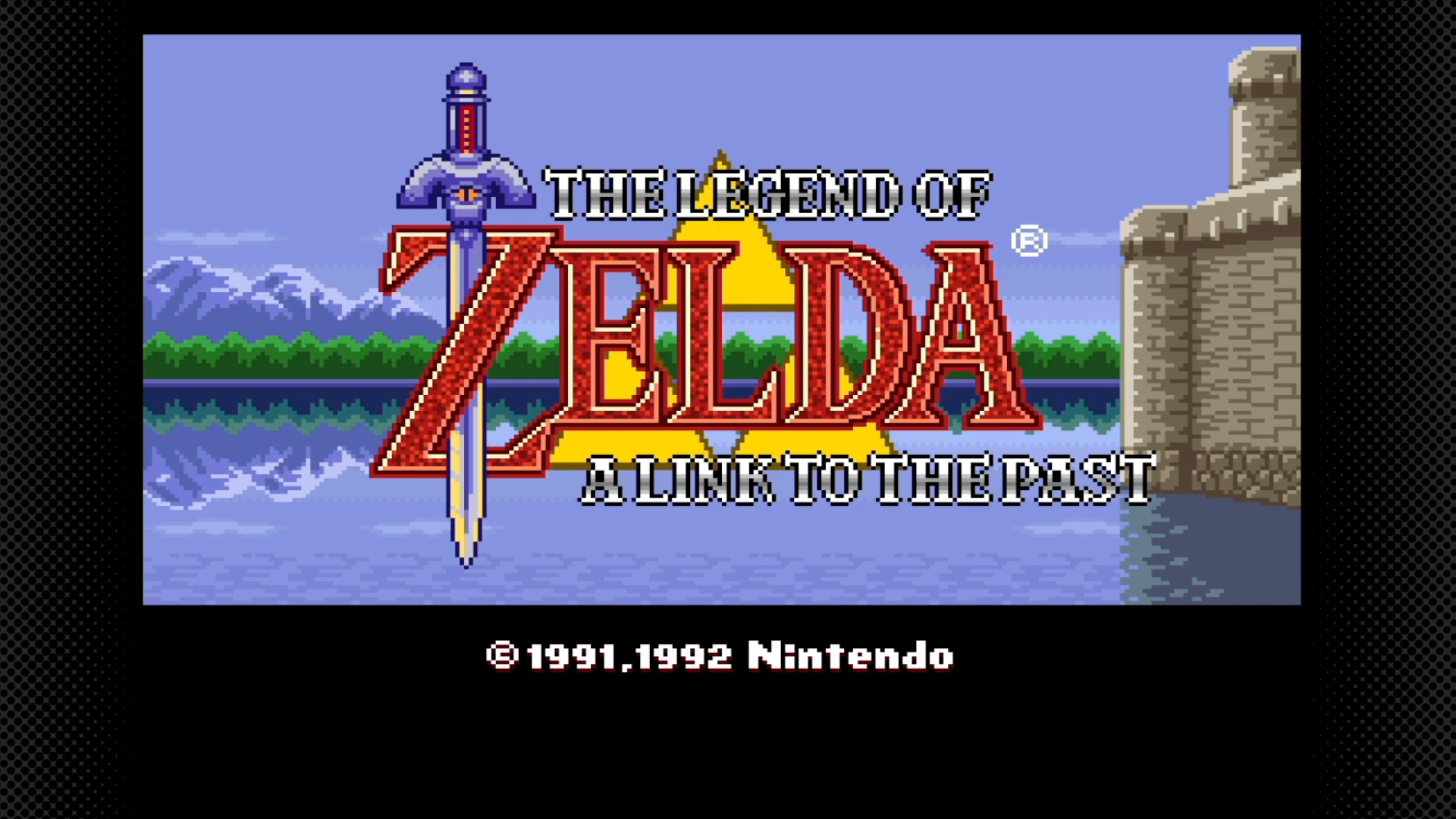
The Legend of Zelda: A Link to the Past
Growing up I never beat The Legend of Zelda: A Link to the Past. I got stuck somewhere around the Ice Palace — until this year, when I played the SNES version through Nintendo Switch Online. I beat it after Ocarina of Time, another classic I started as a kid but never finished. Playing these major Zelda games in reverse order, and so close together, highlighted how each game gives nod to those that came before.
This extends beyond elements and motifs re-appearing, things like the princess’s wisdom or the hero’s courage. Even the music recurs: Breath of the Wild’s Hyrule Castle interior theme reuses selections of “Zelda’s Lullaby,” originally from ALttP and appearing in Ocarina of Time, Wind Waker, Skyward Sword, and more. In this way, Zelda matches form to content.
In-game I search for these Easter eggs; IRL, I ask: In what ways am I reliving patterns of my own? And then, perhaps more importantly: Do I want to relive these patterns, or is it time to let them go?
By Natalie Schriefer (Website – Bluesky – Twitter)
Recommended read: Nintendo Has a Silent Problem With ‘Zelda’ Film
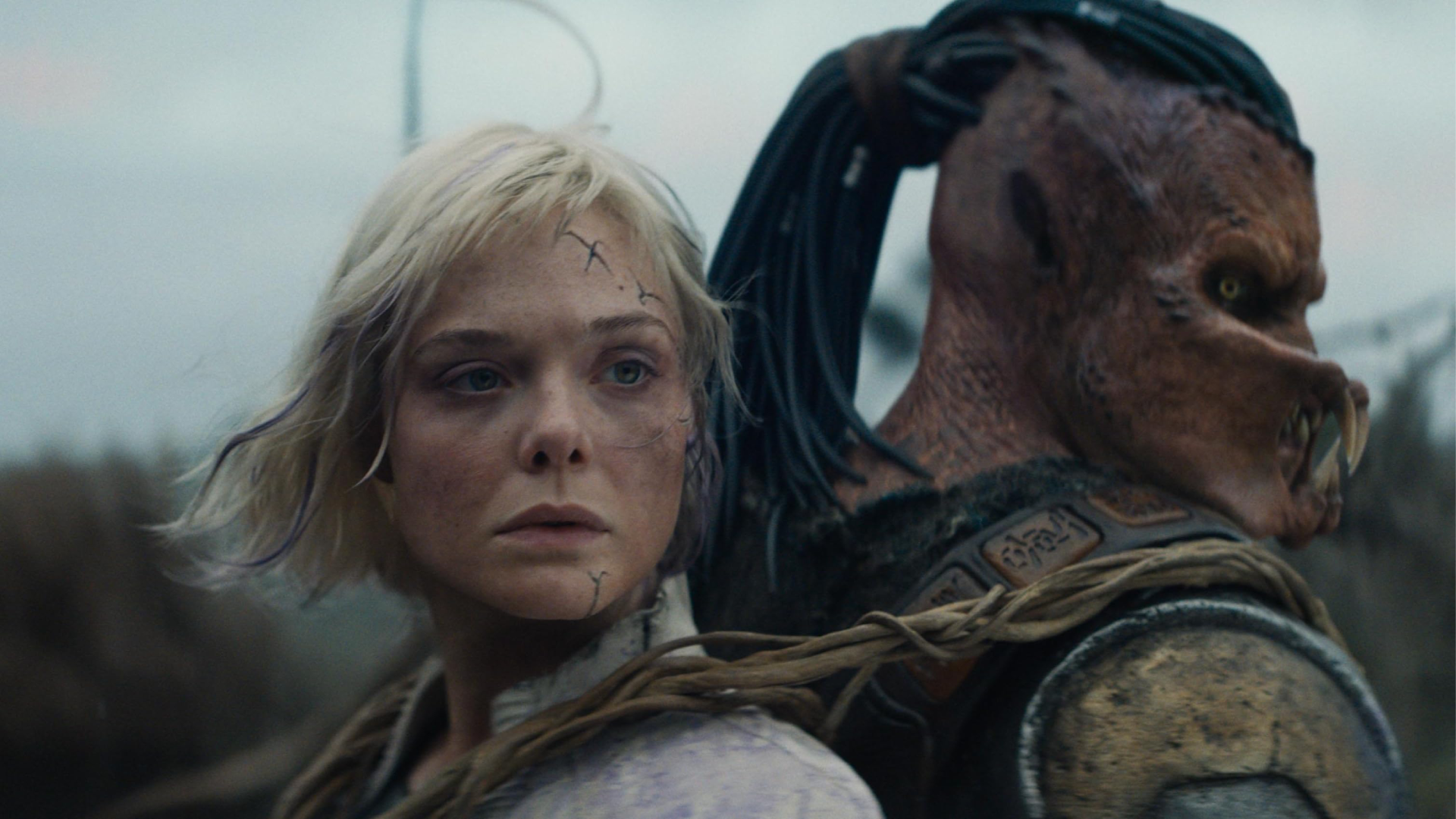
Predator Badlands
“Yautja Codex:
Yautja are prey to none.
Friend to none.
Predator to all.”
On the planet Genna, everything is prey, including you.
Friends can teach you to observe, understand, and work with the world around you to become more than just a trophy hunter (and can save your butt if you make a bad first impression with their family).
Predator to all… there is a gaping chasm between trying to show yourself as a warrior in the hopes that your clan accepts you, and making your own honor that proves that no one, not even other predators, should underestimate you.
By Van Dennis (Bluesky – Unwinnable author page)
Recommended read: Andor
From the author: A friendly heads up to donate (some cash) to your local food bank if you can spare some!

Umamusume
In a year that had my guts twist and turn, be it through the current state of global affairs, the political climate in my country, or the simple fact that I felt utterly rejected and spit upon by games media and the industry as a whole, there were only a few bright spots. I know, woe me who’s at least not starving while the world seems to just shrug nonchalantly, or fighting in a war where all allies seem just all too eager to cut their losses and already plan how to chop up what’s left. This might be getting a little too dark, I’m sorry.
But it was also the year when I saw the internet fall in love with a retired racehorse who had never won a race. Cygames’ horse girl idol game introduced Haru Urara to the world. In the game, she’s a lively, clumsy girl with a can-do attitude who always seems to smile, even if she’s not particularly good at this whole racing thing.
Whenever I’m asked about the appeal of Umamusume as a media thingy, and I guess horse racing as a sport, I tend to reply with “The fighting spirit just gets to you.” Haru Urara, in and outside the game, is the purest embodiment of that. That unbreakable spirit, the almost arrogant courage to wipe that sweat from your brows and tears out of your eyes and stand back up again and again, no matter how hopeless things get. “The Shining Star of Losers Everywhere” may have passed away in September of this year, but her legacy will live on through the lives she touched.
Hers is the spirit I want to share with you and bring into the next year and beyond: the courage to fail and try again anyway. A reminder that even if our efforts and pursuits might not result in much, if we give our all, they are never wasted. True strength is the unrelenting resolve to stand back up. While this might ring hollow in the face of being constantly told that effort and compassion are fruitless endeavors, I can not allow myself to become bitter and give up. Haru Urara always ran her heart out and never gave up. Neither will I.
By Timo Reinecke
Recommended read: Coming Behind Masks
From the author: Слава Україні! FCK NZS!
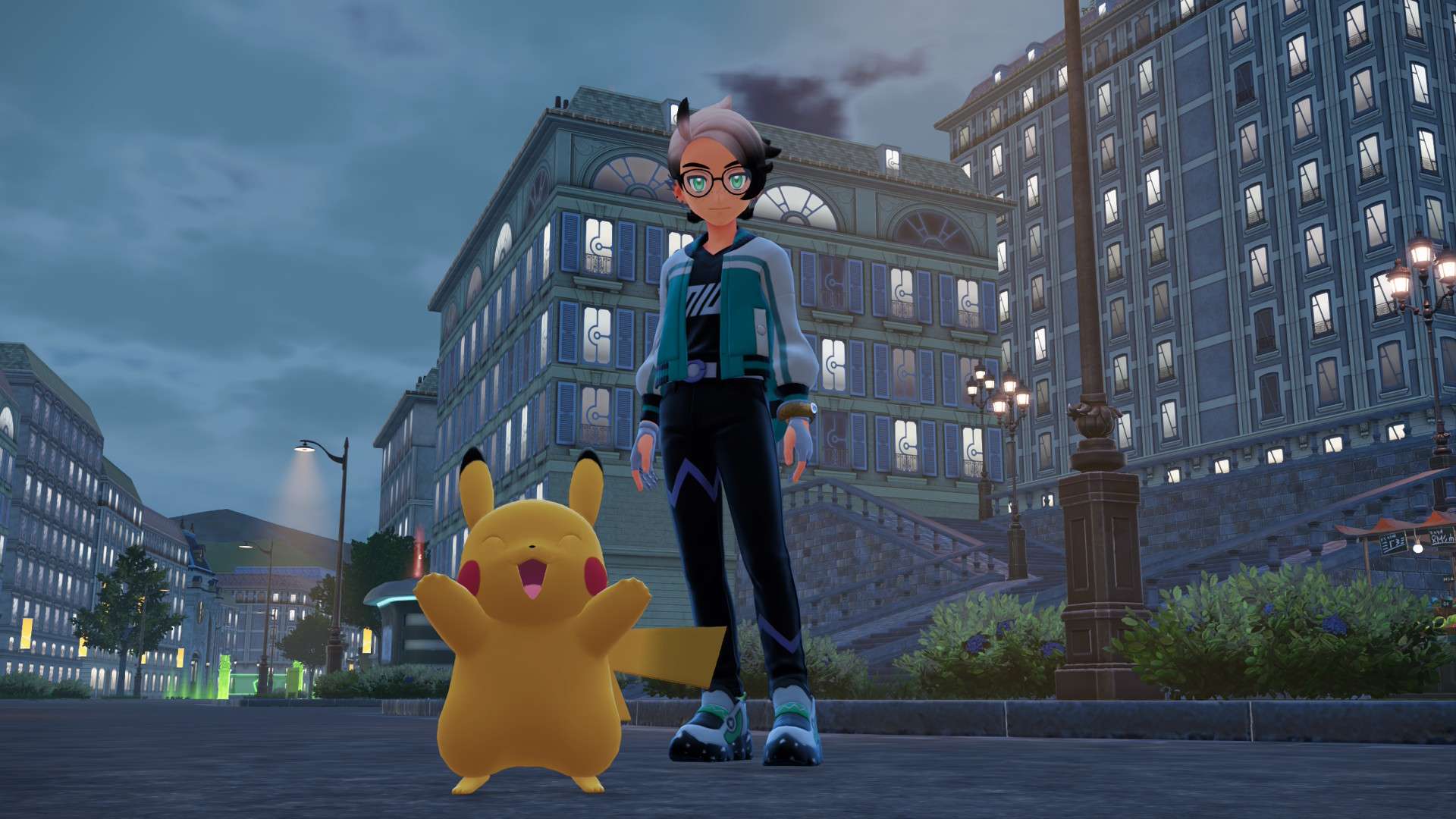
Pokémon Legends: Z-A
2025 was, to me, a year marked by the sheer amount of loss I’ve experienced, which left me quite apprehensive about a lot of stuff, important or not. So when I got my hands on Pokémon Legends: Z-A, I wasn’t expecting much of it, given the decline in quality the series has seen in recent years. Thankfully, I was very wrong.
As you progress through the story and learn how to share Lumiose City with multitudes of wild Pokémon, the welcoming streets, narrow alleys, and tiled terraces present you with a lot of colorful characters who bring this vibrant place to life and make it an entertaining (albeit limited) environment to explore. The new action combat accompanies the atmosphere of this city and feels like a huge leap for the series that truly pays off, as the battles are the most fun the series had in a while. And kudos to GameFreak for perfecting boss battles after their first attempt in Legends: Arceus, because Rogue Mega Pokémon give you a run for your money.
With each new addition to my pokedex, an oddly familiar sensation returned to me: the thrill of collecting all those different monsters without burning out on quality issues or empty and dull open worlds. Underneath it all, Legends: Z-A felt like a needed fresh breath of air that still was a Pokémon game at heart, and it reminded me why I fell in love with the series as a curious 7-year-old. Despite the ups and downs of both this series and my life, being able to innocently enjoy running and catching Pokémon made me feel at home when I sorely needed it.
By Santi Leguiza (Bluesky – Portfolio)
Recommended read: For Love’s Sake, Please Stop Making New Versions Of Old Games
From the author: Fuck Valnet, now and always

Everdeep Aurora
LISTING
Handheld Drill
Price – Free to those in need
Condition – Lightly used
Description
Black, handheld, duracite-powered drill. Good size for small, lost cat-shaped paws. Can be used for digging through a mysterious, subterranean landscape filled with wonderfully realised creatures. Perfect for those looking to help re-affirm human connection in a world on the brink.
For more information, please contact Ribbert the Frog.
By Lewis Davies (Bluesky – Button Prompt)
Recommended read: Burnout, Saving Daylight and The Wild Hunt for Enjoyment

Petscop
Something bad happened here, and it won’t be forgotten – the central theme to any video game
creepypasta. Ben Drowned, Catastrophe Crow, and, needing no introduction, Petscop.
Presented as a YouTube Let’s Play series, Petscop follows our narrator Paul as he’s thrown into
a story, hiding behind the thin veneer of a children’s game, about trauma, abuse, and rebirth.
What can be said about Petscop briefly? Graves that rise from the ground, doors that are both
open and shut, a rebirthing machine – Petscop is… complicated.
But it’s hard not to find a trans narrative in any story about a rebirth. If you got to choose this time, if you got to rewrite your own story, who would you be? More central to the horror of the story, what if you didn’t get to choose? And what if you had to relive it?
As Petscop puts it, sometimes recordings have the power to raise the dead.
By Paul Rullán
Recommended read: Going Home
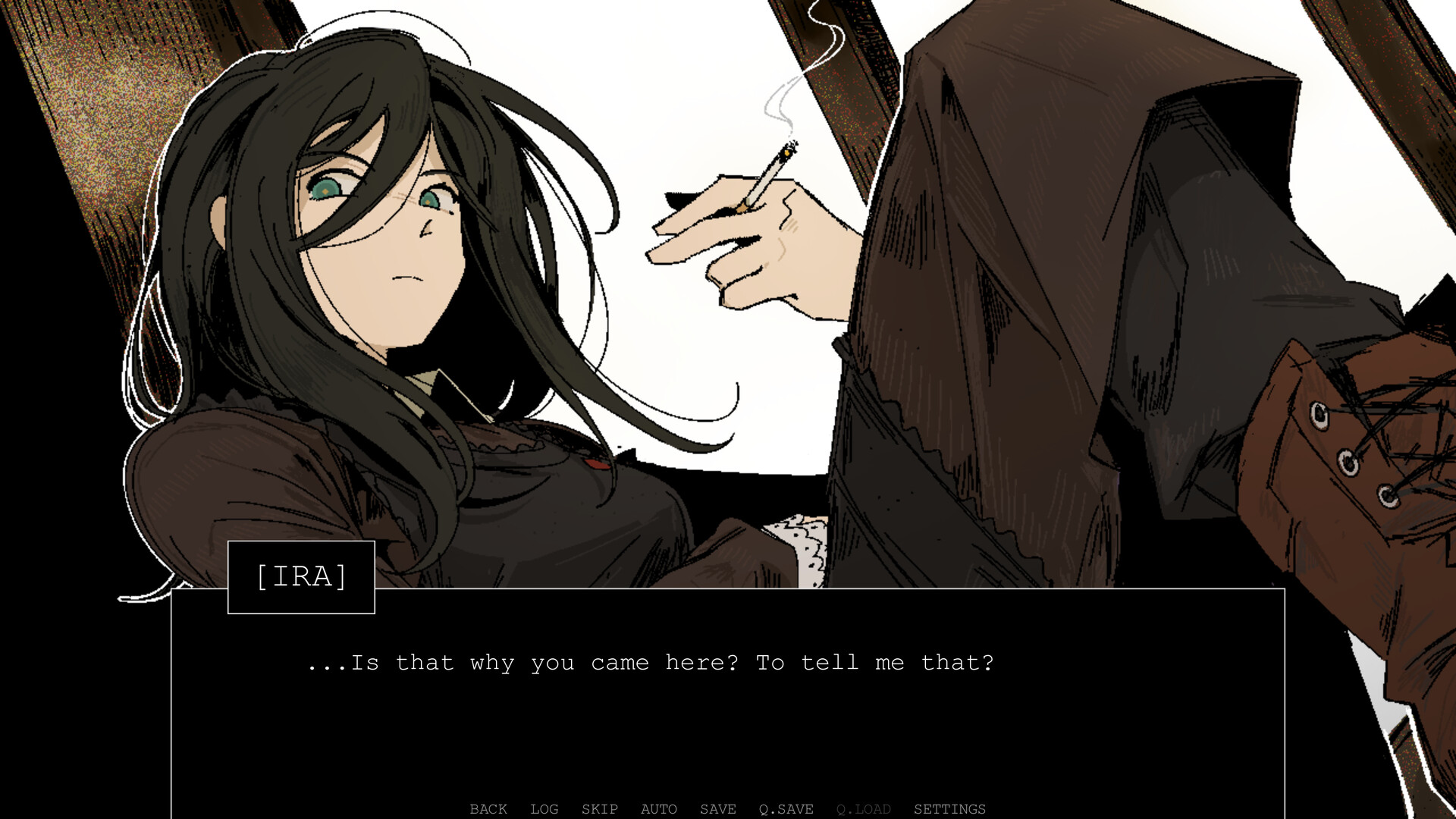
Z.A.T.O. // I Love the World and Everything In It
Visual novels live or die by their narrators. Thankfully Z.A.T.O. // I Love the World and Everything In It has a great one; Asya is a bullied 14 year old student who contains multitudes. She’s meek in class and yet insufferably grandiose in her running monologues. She sees the systems by which the world is made and unmade and yet continuously misses basic social cues. Her classmates lead her around by the nose to satisfy their own emotional needs. They are as aware as anyone of the limits of her point of view. But as the skies burn and everything ends, it is Asya who climbs to the radio tower and broadcasts her message of love for all the world to hear. I feel privileged to have had the opportunity to sit for a few hours in her brain. It’s not always a pleasant place, but it made me feel less alone. That’s why, for all its small imperfections, I Love This Game and Everything In It.
By Adam Wescott (Bluesky / Portfolio)
Recommended read: A/S/L: Jeanne Thornton’s Saga of the Sorceress
From the author: Don’t forget: it is our privilege as humans to make amateur art whenever and however we want

The Legend of Zelda: Breath of the Wild
In 2017, I had entered my senior year of high school. I was in the process of figuring out my life’s plan, articulating every possible direction I could go when The Legend of Zelda: Breath of the Wild launched. I put my planning on pause to immerse myself into this, at-the-time, new rendition of Hyrule.
I traversed the soaked grass of the Lanayru Wetlands with the curiosity of a newborn child; sprinted across the Gerudo Desert attempting to avoid a Game Over; inhaled the surrounding plains at the Central Tower in Hyrule Field. This all served as a break from arguably one of the most stressful moments of my life. A respite from all the tasks I had to get done.
It was bliss.
I am now 25 years old. Earlier this year, I had the opportunity to put my responsibilities on hold once again when the Nintendo Switch 2 version of the game launched. I was hesitant to revisit the game, worried I may not be able to draw on the energy I had almost a decade prior.
I was so wrong.
Immediately upon stepping foot outside of the cave, my shoulders relaxed. I found myself reflecting on dust-covered memories I didn’t know I had kept. I figured my brain’s cycles with time’s passage would betray me yet I would walk near a peculiar pond and remember the item patiently waiting for me at the bottom.
Just like I had done back in high school, I would finish “just one more shrine” before getting back to completing grad school homework.
Hyrule had remained exactly as I last left it.
By José Romero
Recommended read: “I Swear”
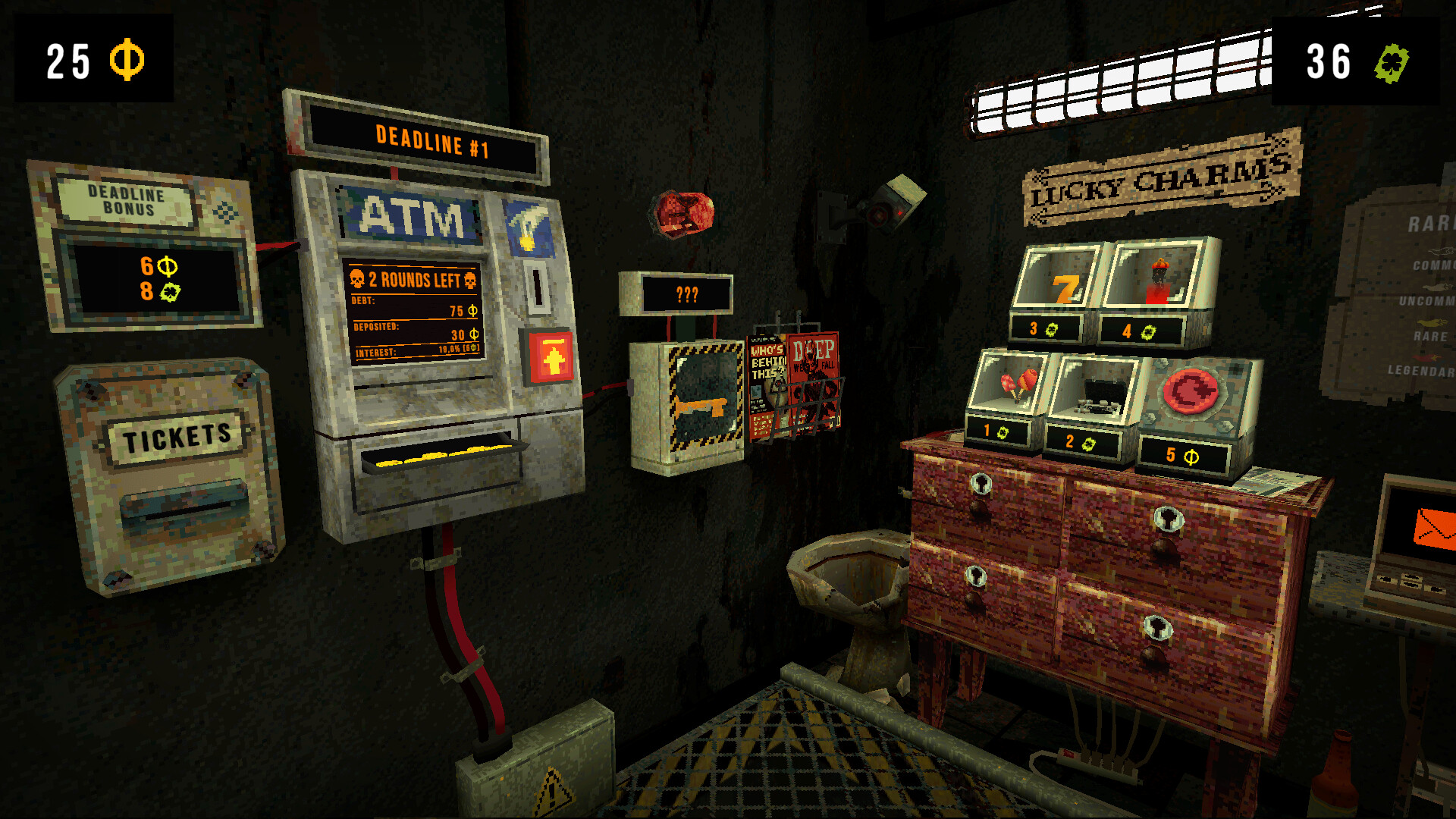
CloverPit
CloverPit asks the question: What if Balatro was evil? In a year filled with many games centered around making a big number, CloverPit sets itself apart by placing you in what’s essentially a gambling dungeon, run by an entity that may or may not be the devil (after many hours with the game, I’m still not sure). This unholy overlord demands larger and larger sums of money deposited into the dingy room’s ATM — if you fail, the floor grate beneath you swings open, dropping you into a pit. Instead of manipulating a deck, players aim to control the probability of rolling certain symbols through the use of charms and deals made over the phone with a mysterious stranger, and there’s many satisfying synergies to be found.
Not only is it an absolute dopamine goldmine, constantly lighting up your brain with jackpots, but it also possesses more depth than you might expect. Soon, you’ll find yourself actively trying to roll 666 on the machine and collecting corpse pieces, as it’s the only chance you have of escaping slot machine hell — if you can bring yourself to stop spinning, that is.
By Deven McClure
Recommended read: 2026 is the year of the frog game

OVER/UNDER
A dream both real and imagined. The one we lived in together. I was Sister Abigail – a tarot reader who flipped cards while peddling advice and served as a double agent in the local mafia for my Solarian Church spymaster, the Confessor Candescence. I had assumed that rising through the ranks was close to impossible for us. We were working in the deepest shadow – how could we be trusted in positions of power? But over the course of that month because of the people we’d spoken to, the information we had gathered, the trust we had earned, the plots we had executed, the over thirty tarot card readings and pulls I had accomplished for others, and the countless sleep-deprived nights where I’d raced to pass him new intelligence and he schemed and politicked, he was elected the Pontiff Corvus-Candescence (replacing the old Boss) and raised me up with him to become the Church’s Cardinal Draco.
I loved OVER/UNDER. I loved the Dream and its Dreamers. If I had to go back in time to do it again I would a thousand times over.
By Kyle Tam (Kyle Writes Things – Urania Games)
Recommended read: In the Grim Darkness of the Far Future There Are Only Warriors
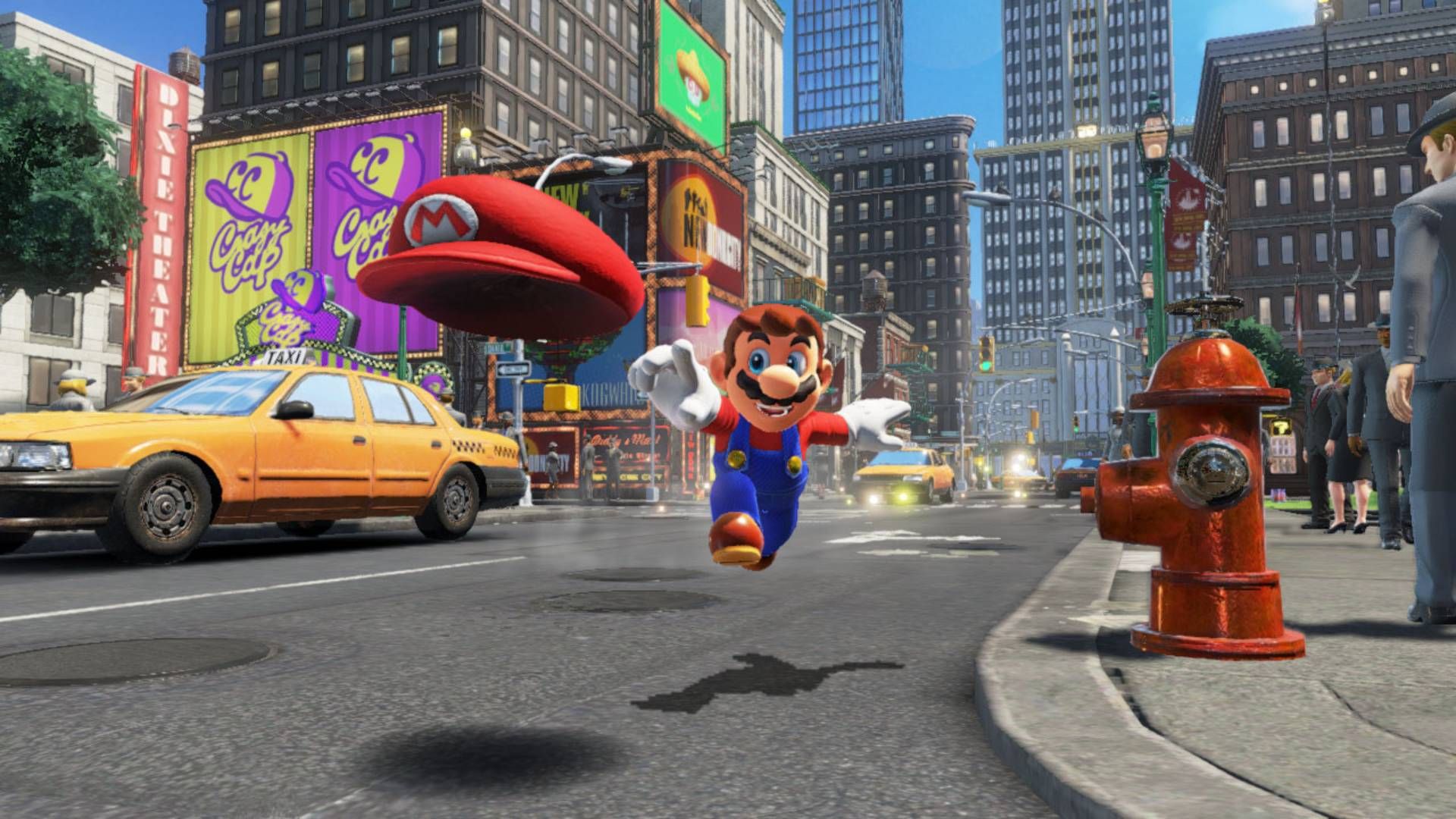
Super Mario Odyssey
I replayed the fantastic Super Mario Odyssey this year because I was so convinced that Nintendo would finally release a new 3D Mario game. The latest Mario adventure was released eight years ago, and we are overdue for a new one. Replaying the game reminded me of all the reasons why I love Super Mario Odyssey. It’s creative, whimsical, and wacky. I mean, the main gameplay mechanic has Mario “capture” enemies, creatures, and objects thanks to his new cap companion, Cappy, who temporarily becomes Mario’s new hat. Only in the Mario universe does that make sense.
However, that development didn’t happen, which is a shame considering this year also marks Mario’s 40th birthday. I couldn’t have imagined a better way to celebrate 40 years of Mario, but alas, Nintendo decided to celebrate by focusing on the upcoming Mario Galaxy movie and releasing overpriced reissues of Super Mario Galaxy and Super Mario Galaxy 2, wonderful games that are 18 years and 15 years old, respectively. With no date in sight for the next game, it’s just another frustration to add to the list that I have had with Nintendo over the past few years, which includes how they launched the expensive Nintendo Switch 2. Well, whenever Nintendo does tell us about the next 3D game, at least we have Super Mario Odyssey to lean on for now.
By Monique Barrow (Bluesky – Portfolio)
Recommended read: Showtime
Angeline Era
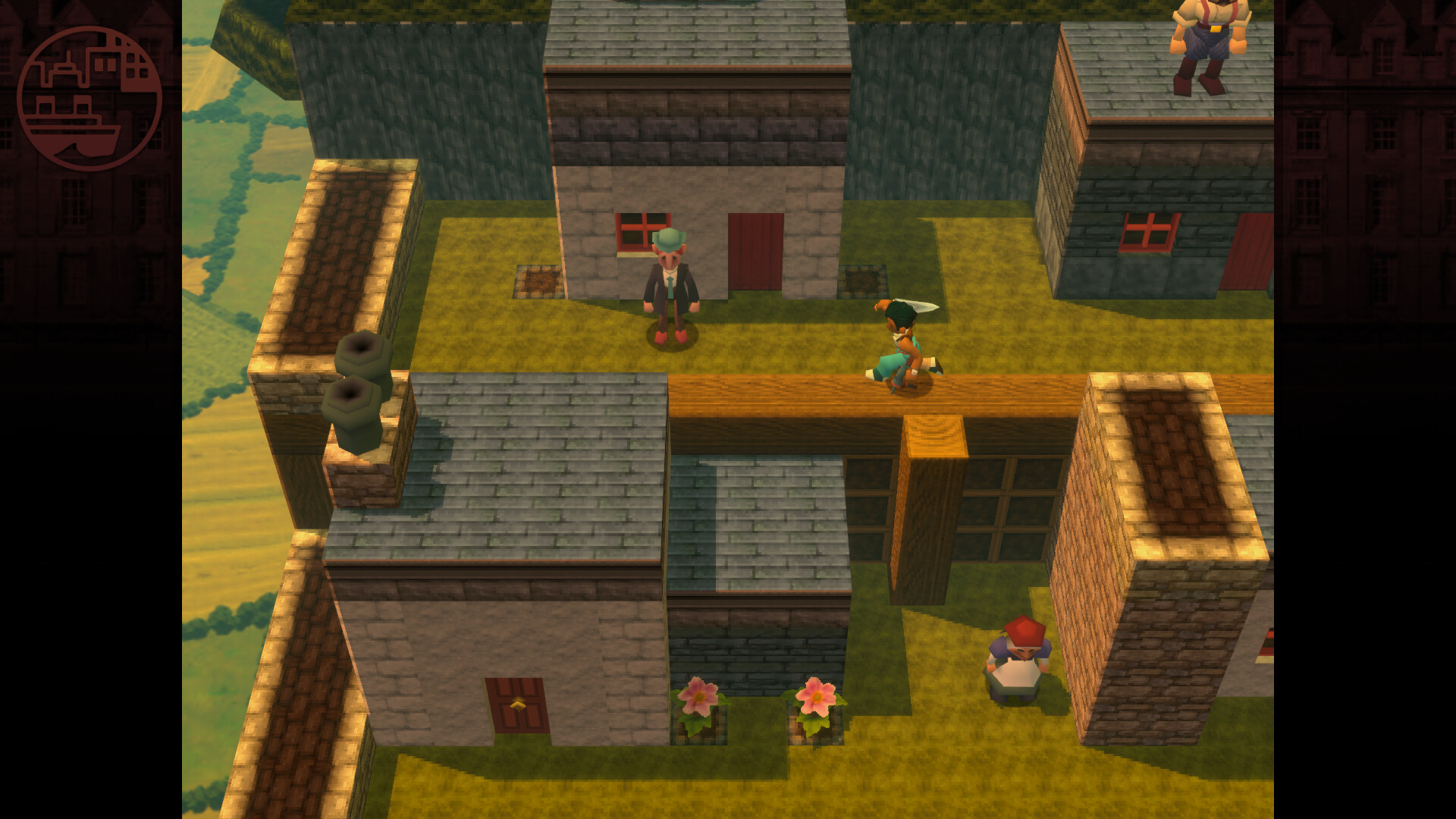
Angeline Era is a game that was developed for Nihon Falcom sickos like me. Inspired, in the team’s own words, by games like Ys I, Ys: Oath in Felghana, and a number of other unnamed titles I can trace the game’s mechanics backwards towards. Yet it’s so much more than its inspirations, a game fully confident in its own ideas, and its own takes on what has been done before; having to “search” for the entrances to levels by noticing conspicuous spots on the overworld is a touch of genius, and all the little ways that the team plays with your own expectations lends the entire game a playfulness that fits perfectly with the game’s Fae-filled world.
I hesitate to say too much about the game’s story, but Tets Kinoshta’s journey is a fascinating allegory for the intersectionality of his faith, his ethnicity, and his own lived background. Angeline Era is not a Christian video game, despite its explicit subject matter. Yet, at its core, it is a game about faith – of what you choose to put your faith in.
By James Galizio
Recommended read: CyberConnect2 – Fuga: Melodies of Steel 3 and resuming the Trilogy of Vengeance with Taichiro Miyazaki
From the author: Gaming tech is a nightmare right now, buy and play more indie games which will run on a toaster instead of upgrading your PC

ENA: Dream BBQ
You start playing ENA: Dream BBQ and you find yourself in a desolate landscape with a red sky and a strange, giant humanoid figure looking down upon you. You’re on your own and you think you might know what you’re in for. Then you click on a mattress, which tells you it’s a door, and fall into a world with a giant floating eye in the sky, smoke everywhere, and a cast of characters so whacky AI couldn’t generate them in its wildest dreams.
You’re looking for the boss — to kill him maybe, I think. I don’t know. There’s a wizard and a weird horse and a giant man with many faces who can drive you somewhere. Now you’re looking for the bathroom, and now you’re at a dance party and you’ve turned into a weird fish thing with legs. It’s all one big run on sentence drenched in mania, a phantasmagorical fair of chaos.
By Farouk Kannout (Bluesky – Twitter)
Recommended read: Chainsaw Man – The Movie: Reze Arc Is at Its Best When at Its Most Intimate
From the author: Wishing all of you well. Fuck ICE, and long live my sweet home, Chicago!

500 Caliber Contractz
“Happy kill your new boss day” is what the wage slaves are celebrating at this arbitrary factory as they have come together to hire our silver-haired sniper. This piece of art opens up with an old CRT desktop with a Windows XP-type interface. The game consists of harsh low-poly models and rudimentary sky boxes. The aesthetic is Y2K and the colours are jarring. The gameplay is described as Mario 64 movement but with a .50 cal. This is what games are to the core. Hell, this is what art is to the core. You want a fucking indie game? Well I have found you THE fucking indie game. Wishlist 500 Caliber Contractz.
By Sami Rahman
Recommended read: Reflections and Rebellion
From the author: Something anti-capitalist
“Hangman” Adam Page vs. Jon Moxley – All In: Texas
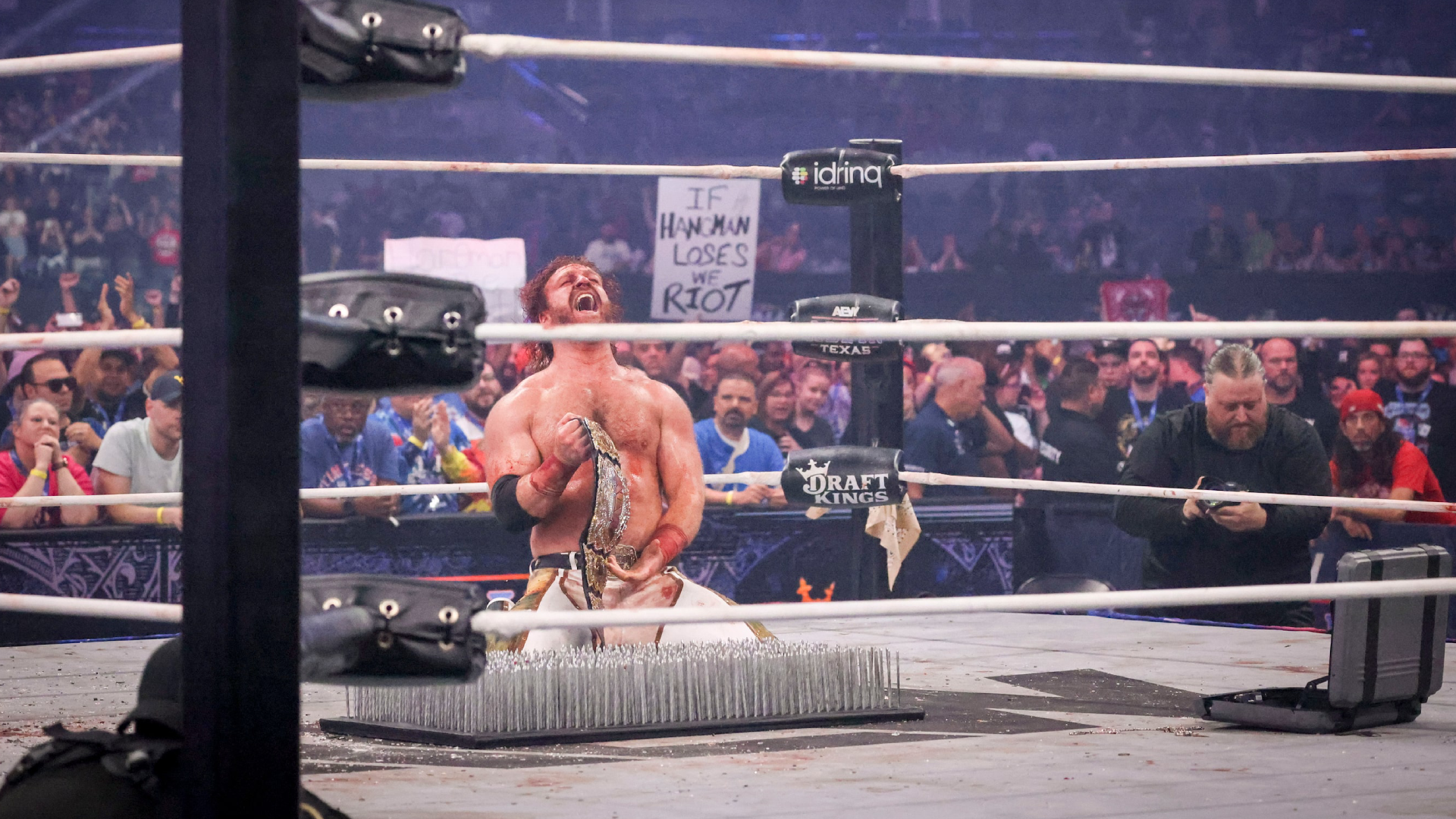
Trying to summarize the story leading up to “Hangman” Adam Page and Jon Moxley’s brutal Texas Death Match (let alone Page’s story of redemption that spans a good chunk of AEW’s six-year history) is a fool’s errand, but even without that context it’s a brilliant story of one man overcoming impossible odds to save the soul of All Elite Wrestling. It’s the kind of violent, bloody spectacle that can only happen in professional wrestling, and it’s one of my favorite pieces of art to come out of the hellscape of 2025.
As I write this, my wife is thirty-two weeks pregnant. During All In: Texas, she was around nine weeks and in the throes of morning sickness. It really started to sink in during this time that our lives were about to fundamentally change forever. I’m going to be a father! What the fuck! Pair that with the emotional climax of Hangman finally ending Moxley’s reign of terror and holding the AEW World Champion high for the world to see and the emotions flooded in all at once. I’m going to be a father. I can also overcome impossible odds when the moment calls for it. I can do this.
It’s a little funny to think about sobbing over a wrestling match that involves a man getting stabbed in the head with a fork within minutes of the bell ringing, but I’m a sucker for a cathartic ending, especially when it comes at the end of a thirty-six minute bloodbath filled with barbed wire, glass, and a god damn bed of nails. I fucking love professional wrestling.
By Joshua Delaney
Recommended read: That One Room in Castlevania: Symphony of the Night
From the author: All love to creatives during this time, especially those who are marginalized and just trying to keep the lights on. Fuck AI, fuck transphobes, and fuck fascists. We will win
No Sleep for Kaname Date – From AI: The Somnium Files
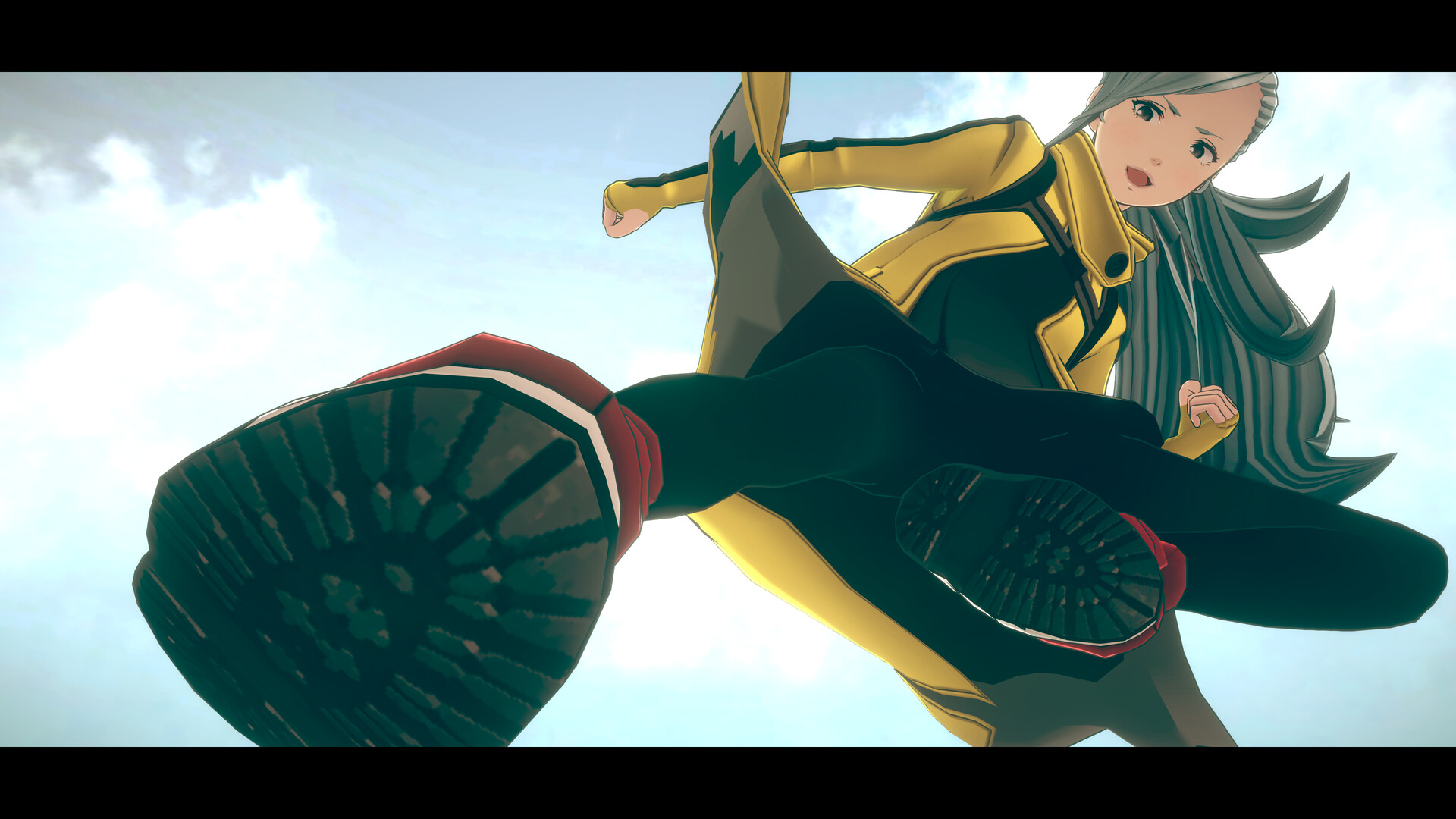
The worst part about being a superfan is that you’ll always think you know better than the author. At times, No Sleep For Kaname Date – From AI: The Somnium Files diverged so much from my vision — dressed its teenage heroine in a garishly sexualised bunny girl outfit; insisted upon dull, unfunny jokes that sounded like they were commissioned by the tourism secretariat of Atami; turned my favourite character in the series into a bumbling, self-righteous, pedophilic shell of himself — I was moved to bitter tears and hubris-fueled “fix-it” fanfiction. It is a truly Sisyphean task, being a fan of a comedy series with such a mind-numbingly bad sense of humour; the merciless hammering of the words “porno mag” into my tired brain had me questioning how and why it was that I even bother with these games.
Sometimes it’s like they know that, though, because whenever I’m reaching critical mass they pull me right back in. Kotaro Uchikoshi, original writer and creator of the Somnium Files series (reduced to script overseer in No Sleep for Kaname Date, most likely due to The Hundred Line: Last Defense Academy taking up his time), claimed during the press cycle that this spin-off was penned by people who truly love the franchise. Having completed it, I can earnestly believe it’s not just something he said to ease the fans’ anxieties. No Sleep for Kaname Date is in love with that fictional Tokyo and all those who live in it. It’s silly, it’s heartfelt, it’s cringe, it’s queer, it does all I want it to — even though sometimes it really, really doesn’t. I would, in fact, have it a couple other ways, but such is my lot in life.
By Hiero de Lima
Recommended read: Hopes, Dreams and Marzipan
From the author: I’d like to shout out Casa 1, a charity that promotes events and other initiatives for the LGBTQIA+ community of São Paulo. They’re in dire straits right now, so donating is super important to keep them afloat
Monster Hunter Wilds
A lot of people get into Monster Hunter because of the enthralling gameplay loop, the memorable monster designs, and the strong sense of community. And while hunting monsters is the advertised purpose of the games, what many people stay for is the de facto selling point:
Food.
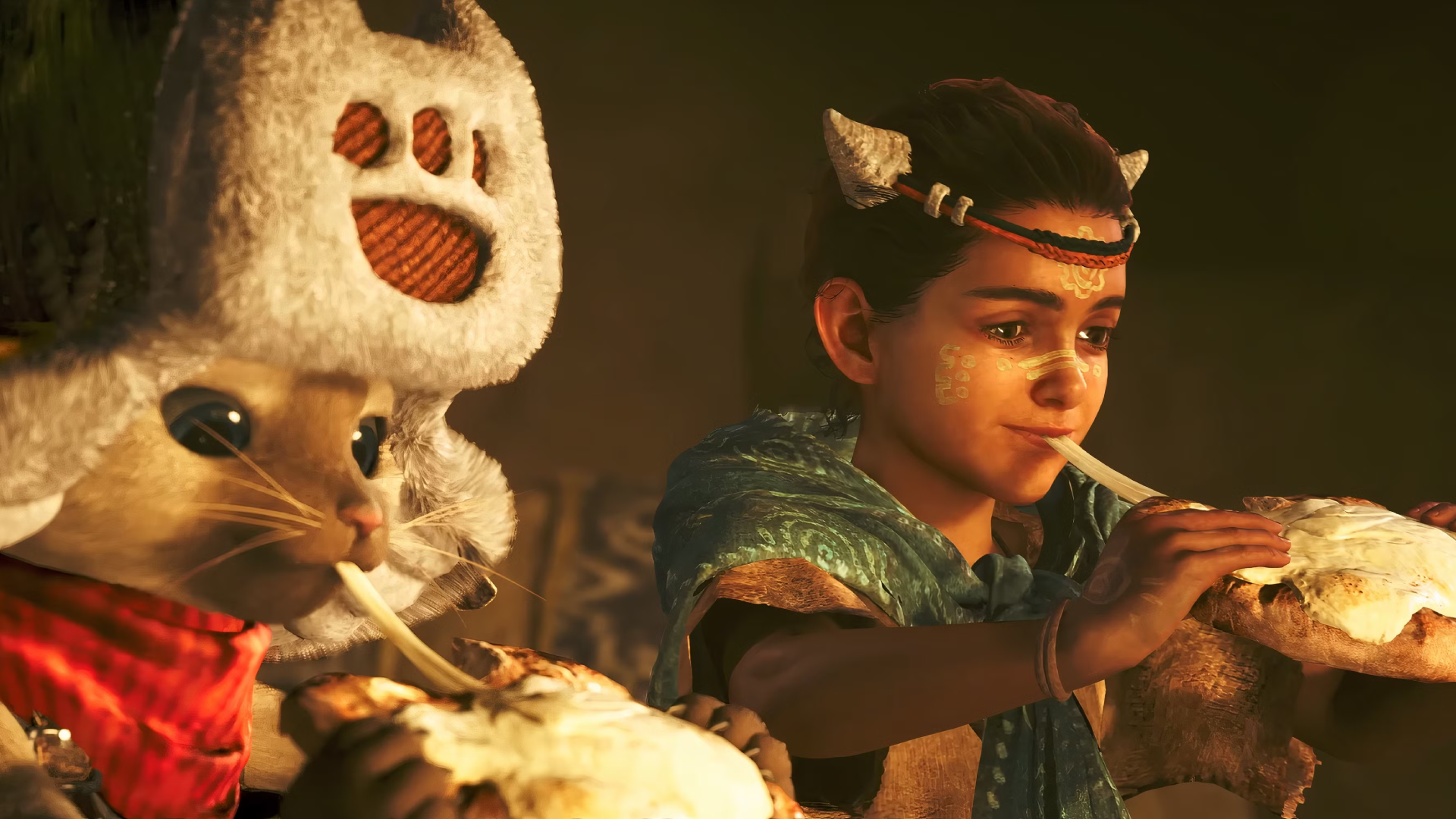
One of the greatest joys in any Monster Hunter game is, before setting out on a hunt, getting a gorgeous meal lovingly crafted for you. With hubs gone in Monster Hunter Wilds, so are these meals. Instead, you need to actually visit the people you meet, engage in their communities, and let them share their food with you, and in turn, their culture.
And the impact spreads into reality. Actual sales of cheese naan reportedly skyrocketed in Japan because of the game. The multiplayer community has always been at the heart of Monster Hunter, but with Wilds, that extends to the characters you meet, too. Food is the entryway to any culture, and it’s the thread that makes Wilds so resonant internationally. Food builds community.
By Hilton Webster
Recommended read: Virtual Archeology
From the author: Saoirse don Phalaistín, agus Bás don Iosrael
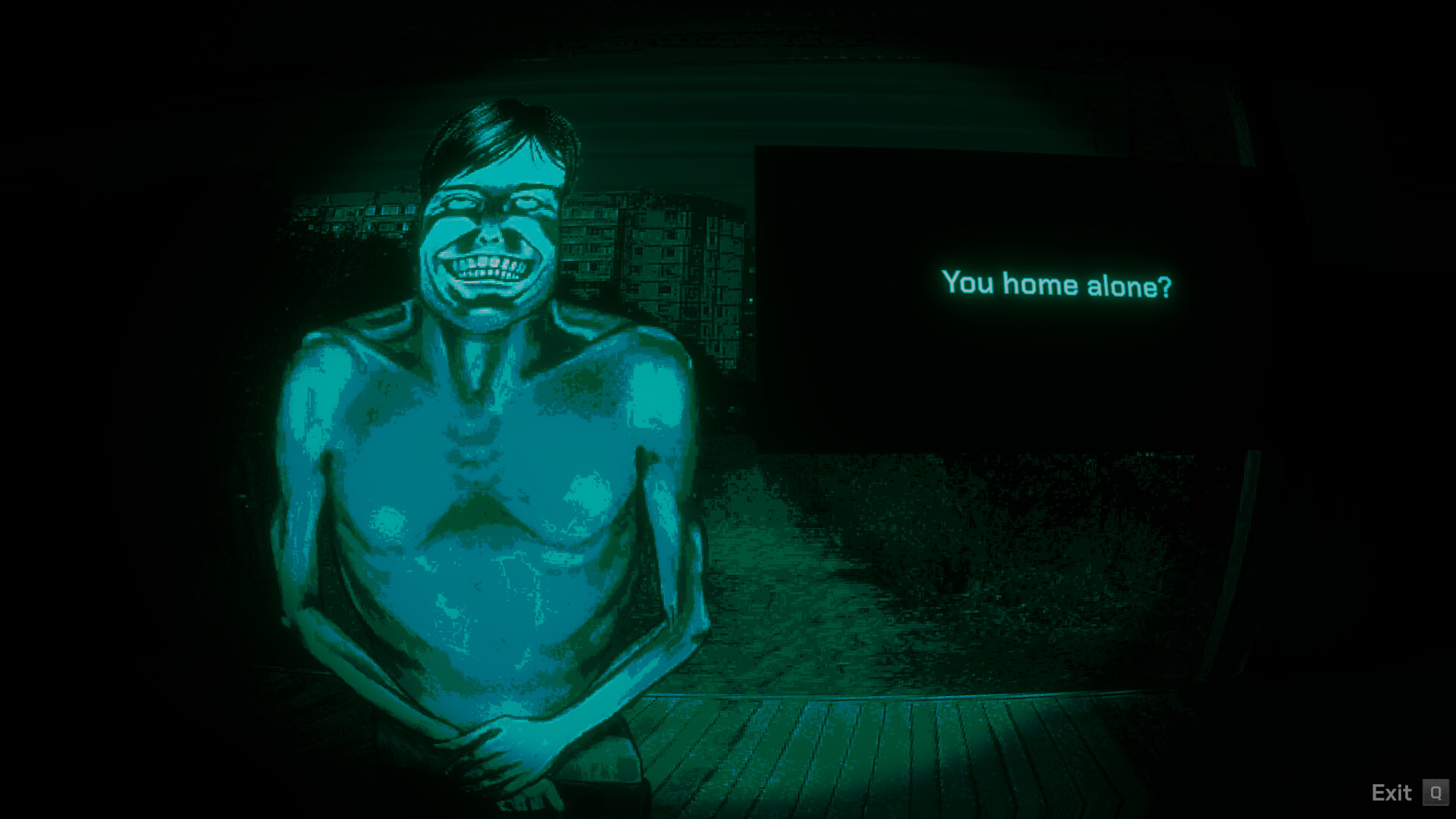
No, I’m not a Human
“stand guard or collapse, you’re sifting past the sand”
Spent the past year with a knife pressed against my chest, promising that today would be the day the ceiling would be the last thing that I see.
Only ever mentioned to the door in front of me, because they can’t see me.
They won’t see me.
They never saw me.
What I was? Couldn’t matter.
What I did? Wouldn’t show for it.
Never had a chance to feed the dog, so I’m gone.
Maybe the name’s the same.
By Blair Bishop
Recommended read: Glance at a Wounded Painting
From the author: I’d say “per aspera ad astra”, but we’re stuck here, and the stars have fuck all to do with it. Make the most of your eyes
Do I always look like this? Is this how people see me when I answer the door? I look weird; they’re going to think I’m weird when they look at me. What am I supposed to do about that?
Generally speaking, these aren’t questions I ever have to ask myself. Of all the ways the human condition makes life an existential whirlwind, my self esteem isn’t one that weighs on me. I hold myself to a greater standard than anyone else does; “You are your own worst critic,” as they say. So why, then, am I getting all out of sorts over a blue-toned horror game about murderous mushroom mimic men?
No, I’m not a Human is the only game that effectively makes me paranoid about the worst ways people could see me. The entire core narrative of this game bleeds insidiously into my own life. Seemingly innocuous and unremarkable traits are now signs of insidious behavior or intent. But that doesn’t mean it’s true, right?
By Branden Lizardi
Recommended read: It’s Difficult Being An Introvert During The Friendslop Era
From the author: Go play an artsy, confusing horror game
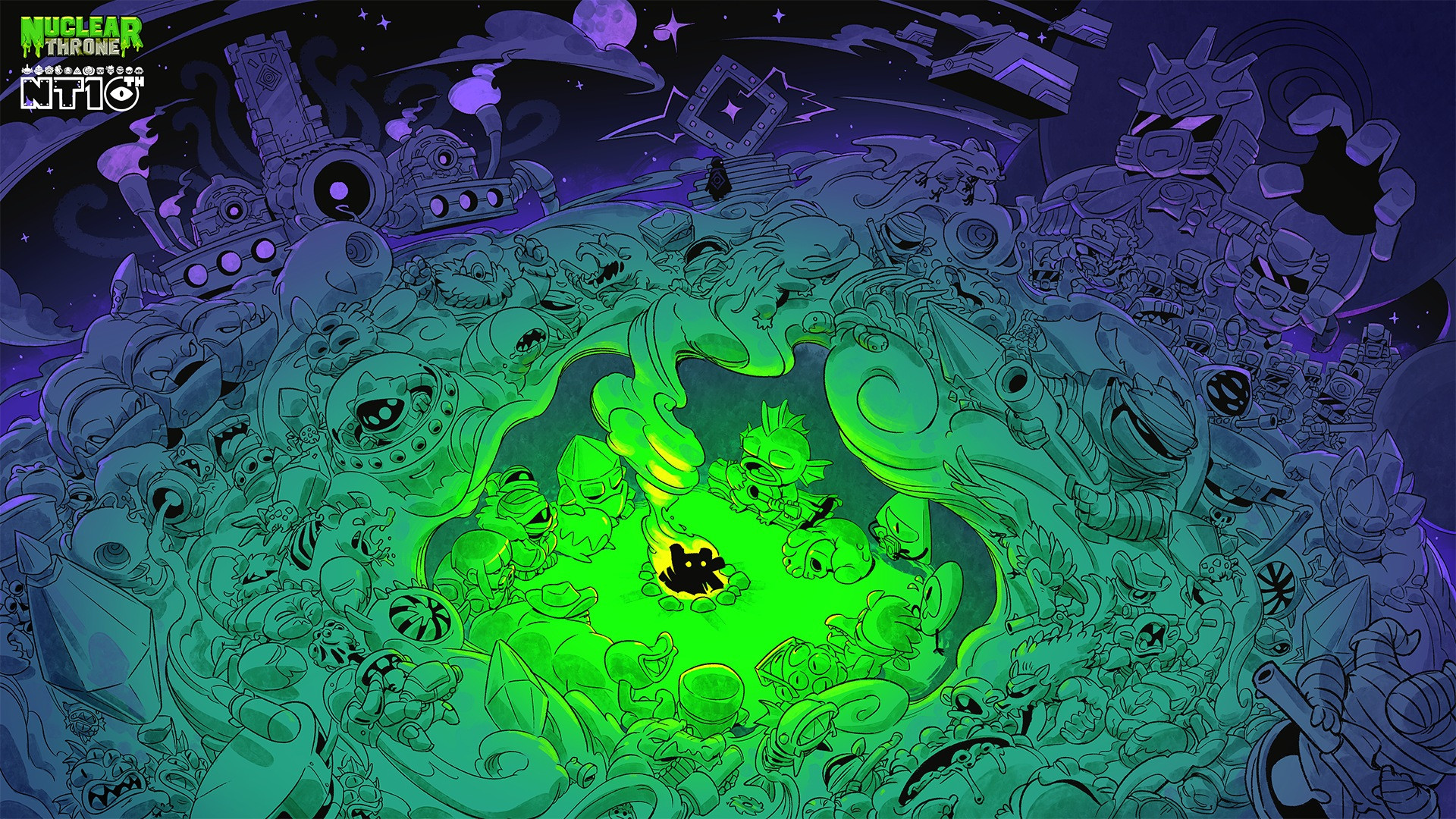
Nuclear Throne’s 10th Anniversary
Remember the training
It’s 2017, and we’re together on a weekend night. Warm lights, soft carpet, and the roaring guitar of Jukio Kallio’s main theme crowd our senses. Nuclear Throne is an escape – an island of togetherness and adventure in the confusing maze of middle school life.
And year by year, Nuclear Throne grows into the familiar, steady heartbeat of our friendship. We sing the end theme together, we laugh at in-jokes about secret bosses and hidden metas, and we turn the game upside-down to obsess over every obscure detail. But ten years is a long time, and Nuclear Throne transforms into a comforting memory as we find new games to explore together.
It’s 2025, and we’re together on a weekday. The hopeful winter sun, the weaving cobblestone paths, and nervous university students are nothing to our senses.
Nuclear Throne is coming back. Collision imminent.
Open arms, we brace for impact. The collision hits us hard, but as we open our eyes we’re slammed by the game we love. Our faces are so pressed against it, every texture is so clear and so beautiful. We will not leave behind how this game brought us together.
Writing this reflection has been a joy. It’s so hard to summarize how we feel about Nuclear Throne, and it crosses so many years and so many experiences, but looking back has felt like seeing nearly our whole lives. We’re back home.
Happy tenth anniversary, Nuclear Throne.
By Tigran Bleyan and John Sangster
Recommended read by Tigran: The Beach Epiphany
Recommended read by John: Moondown
From the authors: To Vlambeer, thank you for ten years of Nuclear Throne

Chronos: The New Dawn
The comfy togetherness of the hive mind floats somewhere behind the story of Cronos: The New Dawn. How much better it would be if we were all on the same page, thinking the same thought! The tension between the invisible boss, the collective from which the player character, a nameless time traveler, is separated to do their work, and the various hive minds left behind by accident — the game calls these monsters orphans — resembles a system of weight and counterweight, one lifting the other in narrative. The horror and the invisible ideal born from it jockey for position across a model soviet town built for a future that could never have come.
By Andrei Filote
Recommended read: These Are The Last Good Days of Your Life
From the author: Disco Elysium rules
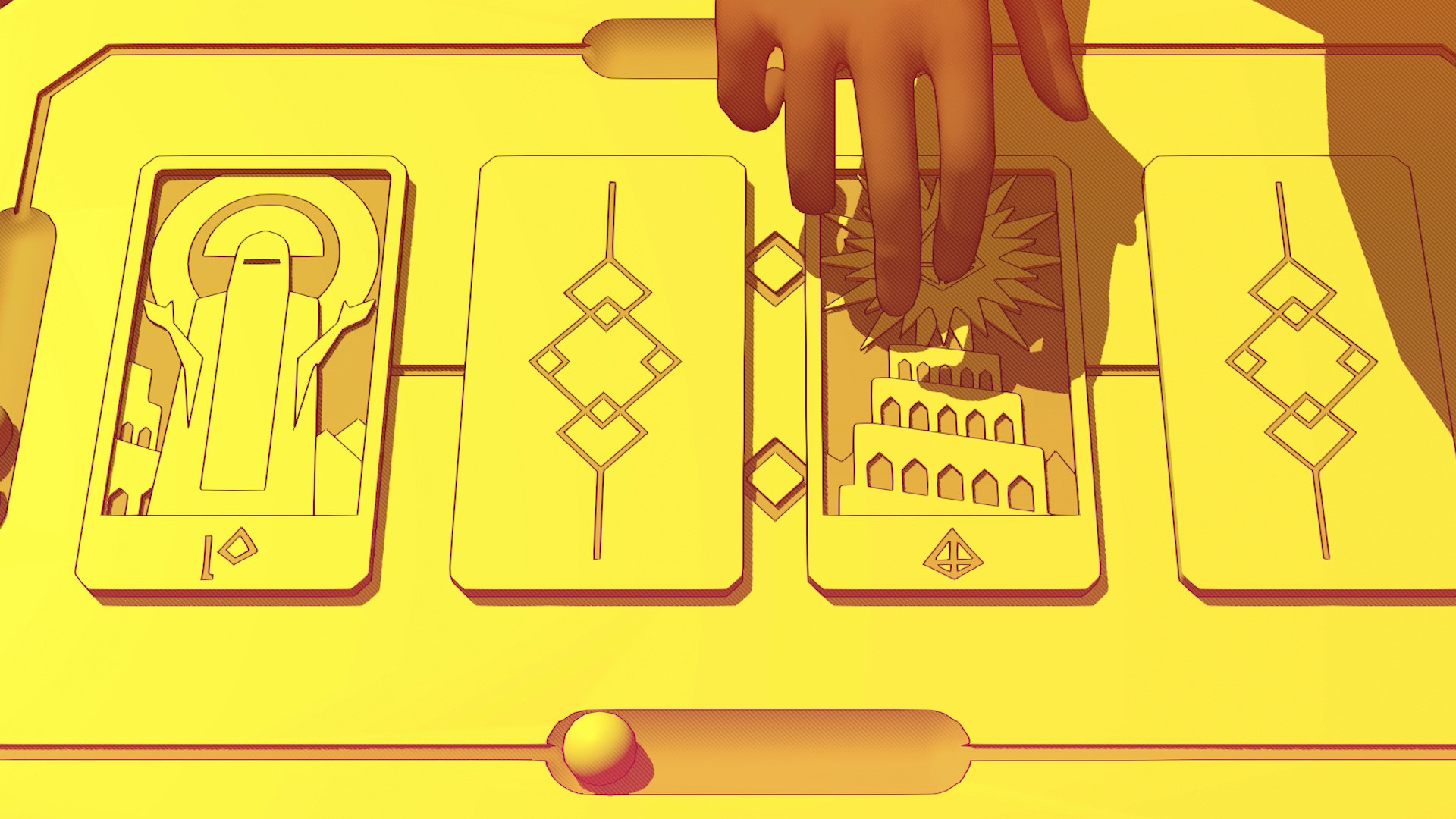
Chants of Sennaar
‘Communication is key’, it’s often said. I’ve always believed in the sentiment. Apart from working in comms (and just loving good chat), having a bilingual partner who sits on the frontier of two languages has led me to consciously interrogate linguistic boundaries as well as the cultural dichotomies they naturally accompany.
This year I played Chants of Sennaar, which engaged with language in a way I’ve never seen before. In a quasi-Tower of Babel, you climb each floor and as a result encounter a new society with a different mode of expression. Vocabulary is the first hurdle; then syntax; then tenses… each community brings with it further complexities to unravel.
Through contextual clues that at first appear direct (actions, double negatives etc.), but then become more nuanced (religion, emotion), you’re tasked to decipher and act on what you’re told. Each level of the tower requires additional layers of understanding as you climb to discover the secret at its peak, and piece together why each social group lives so separately.
It’s the perfect playable microcosm of the phrase ‘lost in translation’.
By Daisy Treloar
Recommended read: Single Player

Bundle of Joy
Throughout the year, I booted up Bundle of Joy dozens of times. I did my best not to get too stressed in the game, to talk to my in-game partner and hear their thoughts, and read all of its excellent writing. With each play session I discovered a bit more about myself. Funny how a game so stressful and existential is equal parts contemplative and grounding. It made me see myself in the past caring for babies, now adults. The sleepless nights were worth it. Bundle of Joy reminded me to love tomorrow.
By Luis Aguasvivas
Recommended read: A Videogame Politics for A Burning World: An Interview with Ajay Singh Chaudhary
From the author: Shoutout to Critical Distance, The Imaginary Engine Review, Unwinnable, No Escape, and Gamers with Glasses for holding it down!
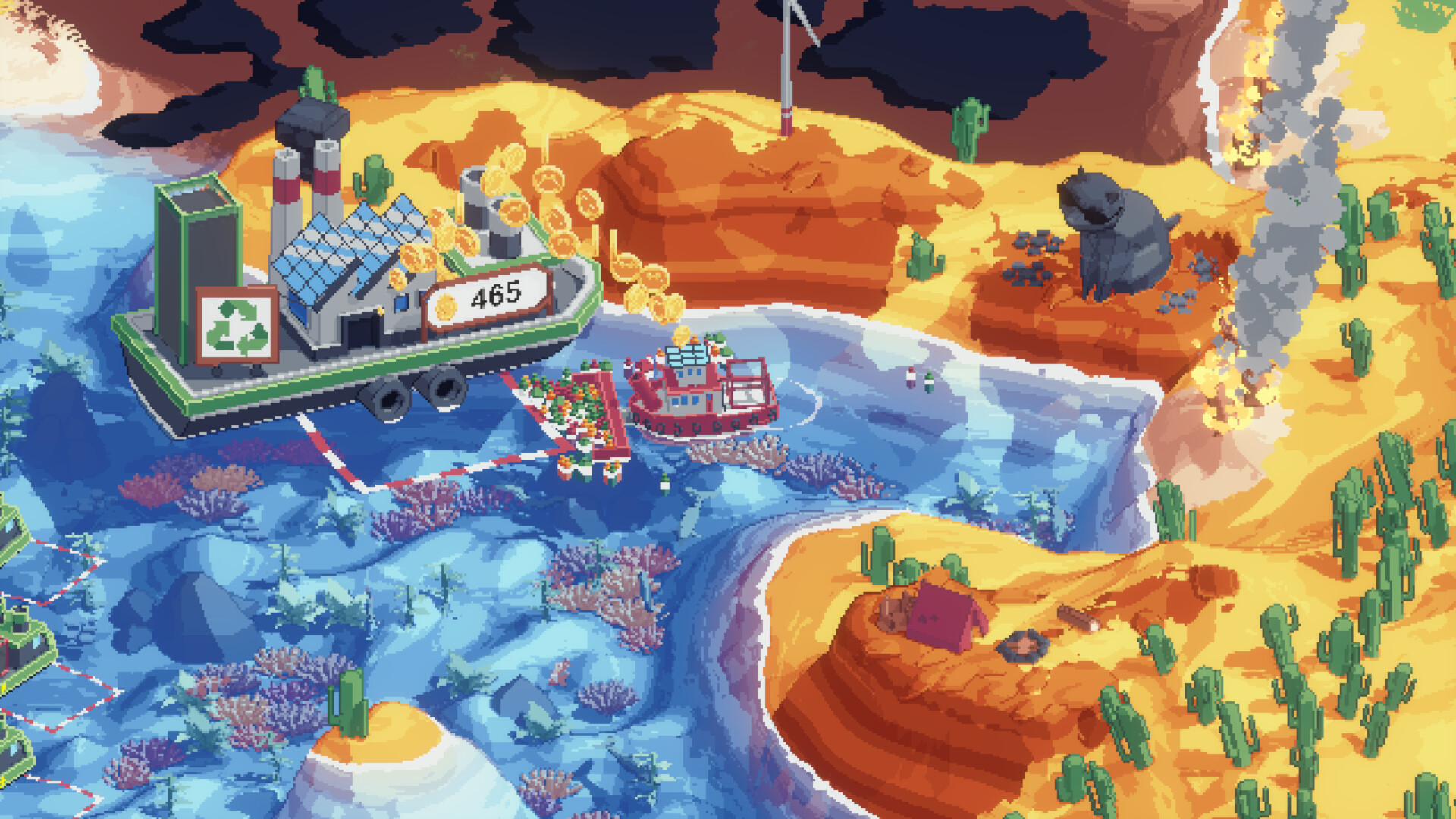
Spilled!
Spilled! is a game where you play as a boat cleaning up ocean waste; it was solo-developed and published by Lente, who made it while living on a boat. If that cool development story isn’t enough to grab you, it’s worth saying that Spilled! is more than a cute anecdote. It’s a good game. If you like cleaning games, Spilled! is a must. Its beautifully detailed pixel-art, vibrant color palette, and soothing OST provide just enough to carry you through its one-hour runtime. And its simple but useful upgrade system means cleaning gets more efficient as you play.
By Janet Garcia (Bluesky – Pen To Pixels)
Recommended read: The Inescapable Intersection of SGF and ICE Protests

97 Poets of Revachol
This summer I played the manifestation of a community’s ambition and greed. My name was “The Collector,” a man pushing a shopping cart of detritus, fading into the background, nothing more than a whisper on the wind. Except, like the wind, that whisper was sometimes loud, sometimes soft. Daring a father to spend all his family’s money on a multi-level marketing scheme. Rigging an election. Encouraging a local gang member to transform into something beyond human comprehension.
97 Poets of Revachol is a LARP based on the video game Disco Elysium, but that’s the least interesting thing about it.
By Florence Smith Nicholls
Recommended read: How To Create A Video Game Archaeologist
From the author: I would like to shout out the Blood on Our Controllers documentary
Lumines Arise
Twenty twenty five was filled with darkness and light that sang,
The other side of some of the bleakest moments contained,
Vibrations drumming on my ears,
This pulsing sensation helped me see clear,
A beat, a thump, a tap of my toe,
Pulling me in, I couldn’t let go,
Connected,
Affected,
Bedazzled by the sights, the sounds,
Fantasia unbound,
My stress unwound,
Momentarily at least,
Shifting blocks, beneath,
Beats on repeat,
Until the madness in my mind sleeps,
Or the joy of connecting to the music reaches for me.
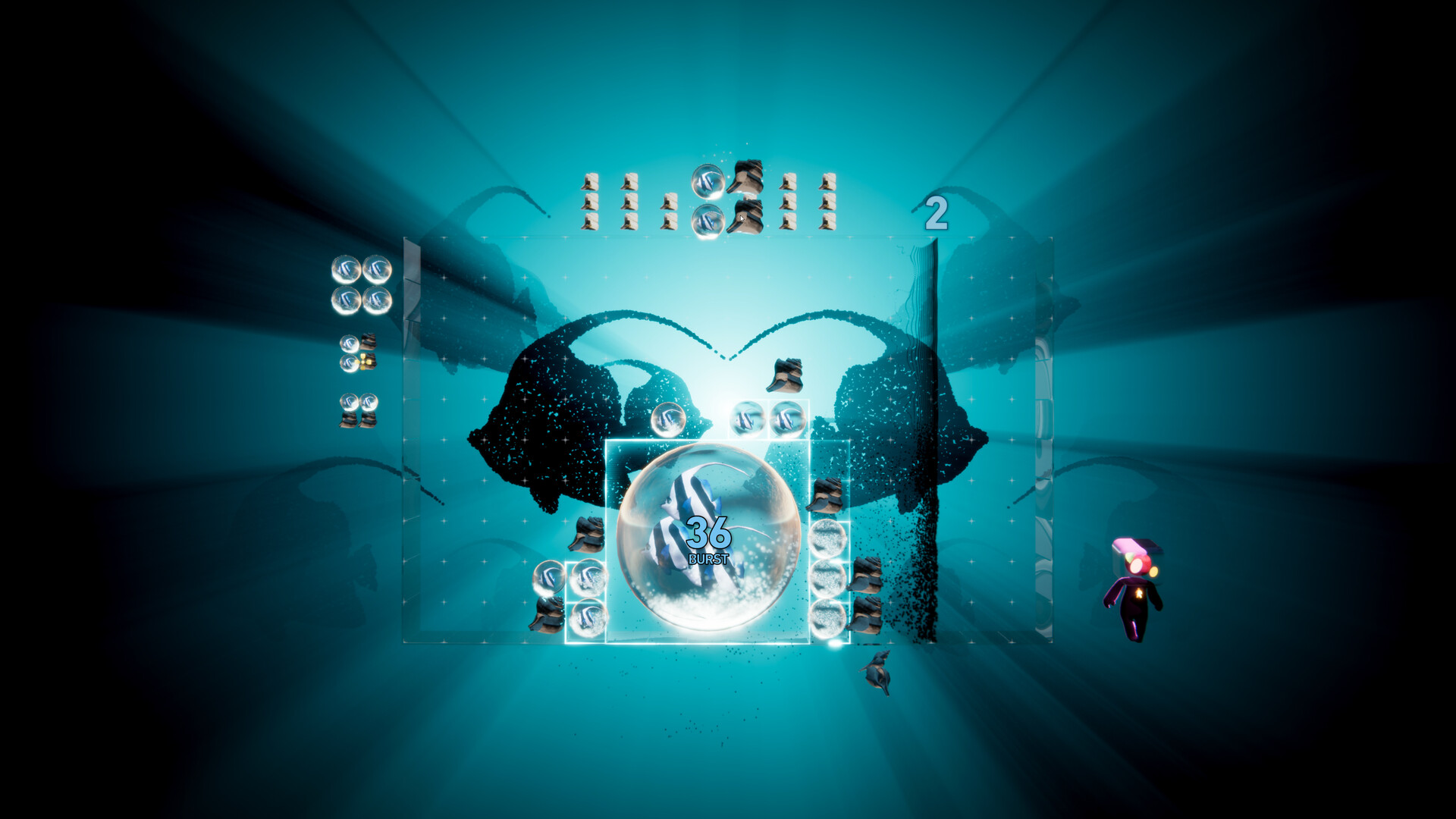
Lumines: Arise arrived at a moment in my life where I needed just this exact type of game. But just because these events aligned in my life it doesn’t diminish just how special Lumines is regardless of my personal timeline. Built upon what made Tetris Effect: Connected a transcendent journey, Lumines: Arise takes all of that formula and weaves it into the already rhythmic gameplay you’d come to expect from the series. The result births the realization of how much deeper music can fuse to the tissue of this puzzle game in a way that few others can. I knew I was going to enjoy Lumines: Arise but I didn’t know it would possess the ability to put me in the flow state while tears flowed down my face.
By Brenden Groom
Recommended read: Goodnight Universe review
From the author: Play More Indies
Editor’s note: read, watch, and listen to Pass The Controller
One Day, Everyone Will Have Always Been Against This
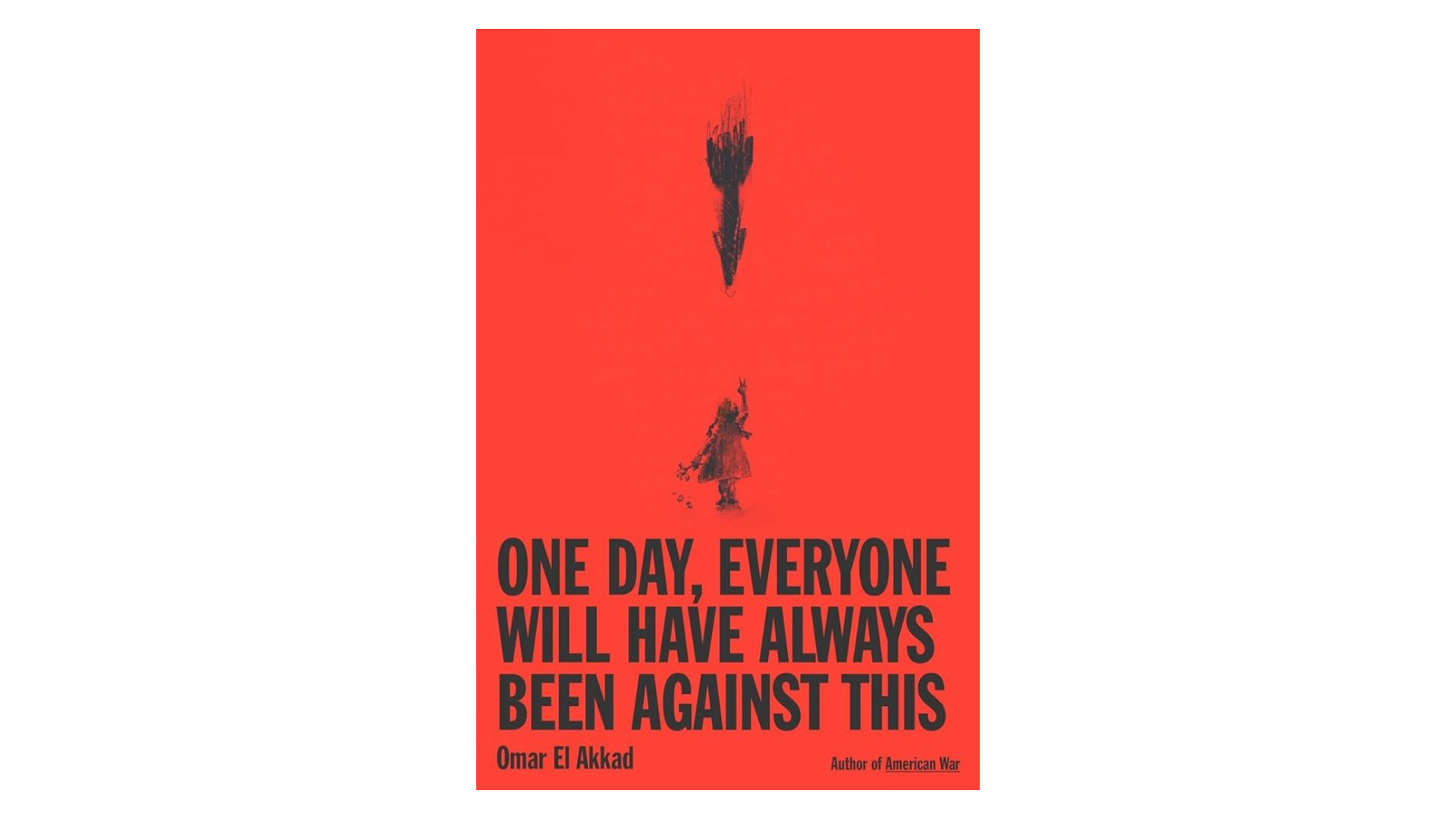
Omar El Akkad’s One Day, Everyone Will Have Always Been Against This is a screed against Western imperialism that asks you, the you that exists in a society that benefits from said imperialism, ignorant of the horrors it creates, to consider how strongly you’ve been forced to employ your complacency. How far back in your mind have you placed the things you know about said horrors? How willing are you to fall to the temptation to let yourself become desensitized in the name of self-preservation? There’s a lot that goes into understanding the systemic nature of Israel’s genocide of the Palestinian people, and at times it will exhaust the soul, but that feeling is not one to shy away from – it is one to embrace as a reminder that you have a heart that beats in your chest, and that there are people who deserve at the very least to live on inside of it. If you’re the type of person who thinks they’ve thought through this enough, or seen enough to know where they stand, this book is worth reading. It’s the sort of roughly 200-page dissection of our collective consciousness that can only be enacted by someone hurt so deeply that every word reads like a scar on their soul being let loose. But, it is also, somehow, cathartic. Reading it is an exercise in reminding yourself of your sanity. It’s a cudgel with which to disabuse yourself of the notion that any of this, especially the parts we’ve forgotten about, is normal.
As El Akkad writes, “You are being asked to kill off a part of you that would otherwise scream in opposition to injustice. You are being asked to dismantle the machinery of a functioning conscience. Who cares if diplomatic expediency prefers you shrug away the sight of dismembered children? Who cares if great distance from the bloodstained middle allows obliviousness. Forget pity, forget even the dead if you must, but at least fight against the theft of your soul.”
By Jesse Guarascia
Recommended watch: The Clockwork Mansion: What Makes Dishonored 2’s Best Level Tick
From the author: Fuck fascism, there are no illegal people, donate to the Palestine Children’s Relief Fund
Squirrel with a Gun
Even though I first played Squirrel with a Gun in 2024, I consider it my game of 2025.
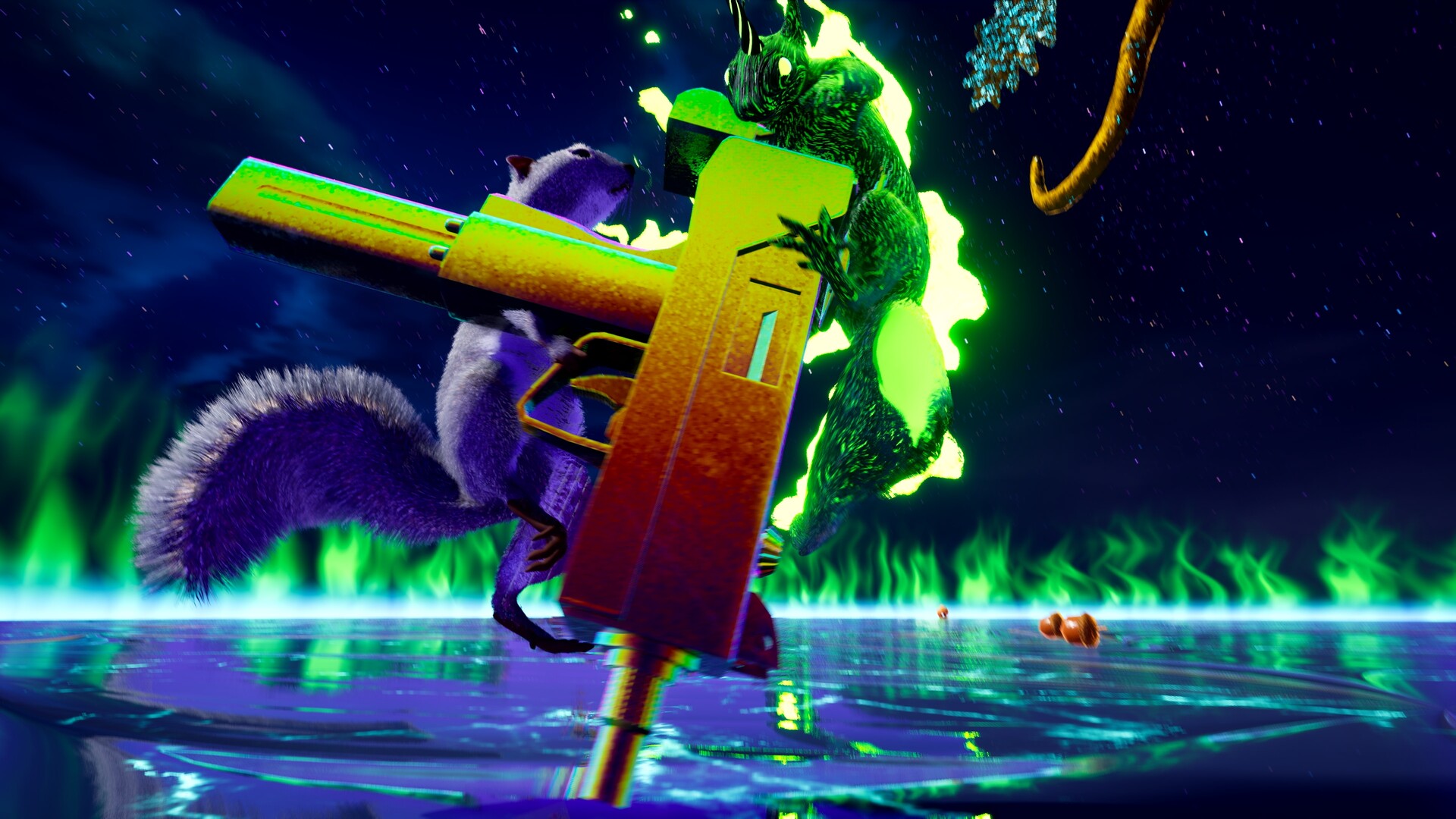
I haven’t seen much love for it, and unfortunately, I think it’s because it first released in a bit of an incomplete state. It wasn’t until it released an update with the true final level and boss that it all clicked for me. Squirrel with a Gun is a gag game, sure, but it also has a punk rock heart to it.
With the full story in place, Squirrel with a Gun turns into a narrative of nature fighting back against gentrification and generally sticking it to The Man. As much as the people in suits want to turn your community into a big parking lot, you and Ratatoskr have other ideas in mind. Not to mention the Pride DLC outfits make you better at throwing bricks, which is the best buff I’ve ever seen. The game showed promise in its initial state, but in its 2025 version with more updates and polish, it shines as an ode to “the little guy” across all forms of marginalization. As the boss theme puts it:
“They think they’re big just because you’re small, but stand your ground and watch them fall”
So if you’re frustrated with the state of the world, your boss, the price of survival, etc., go play Squirrel with a Gun. I promise you’ll feel better. The squirrel and Ratatoskr have certainly been my little buddies as I’ve dealt with 2025’s bullshit.
By Melissa King
Recommended read: D(E)fiant Love
Editor’s note: read and support Unwinnable
Nubby’s Number Factory
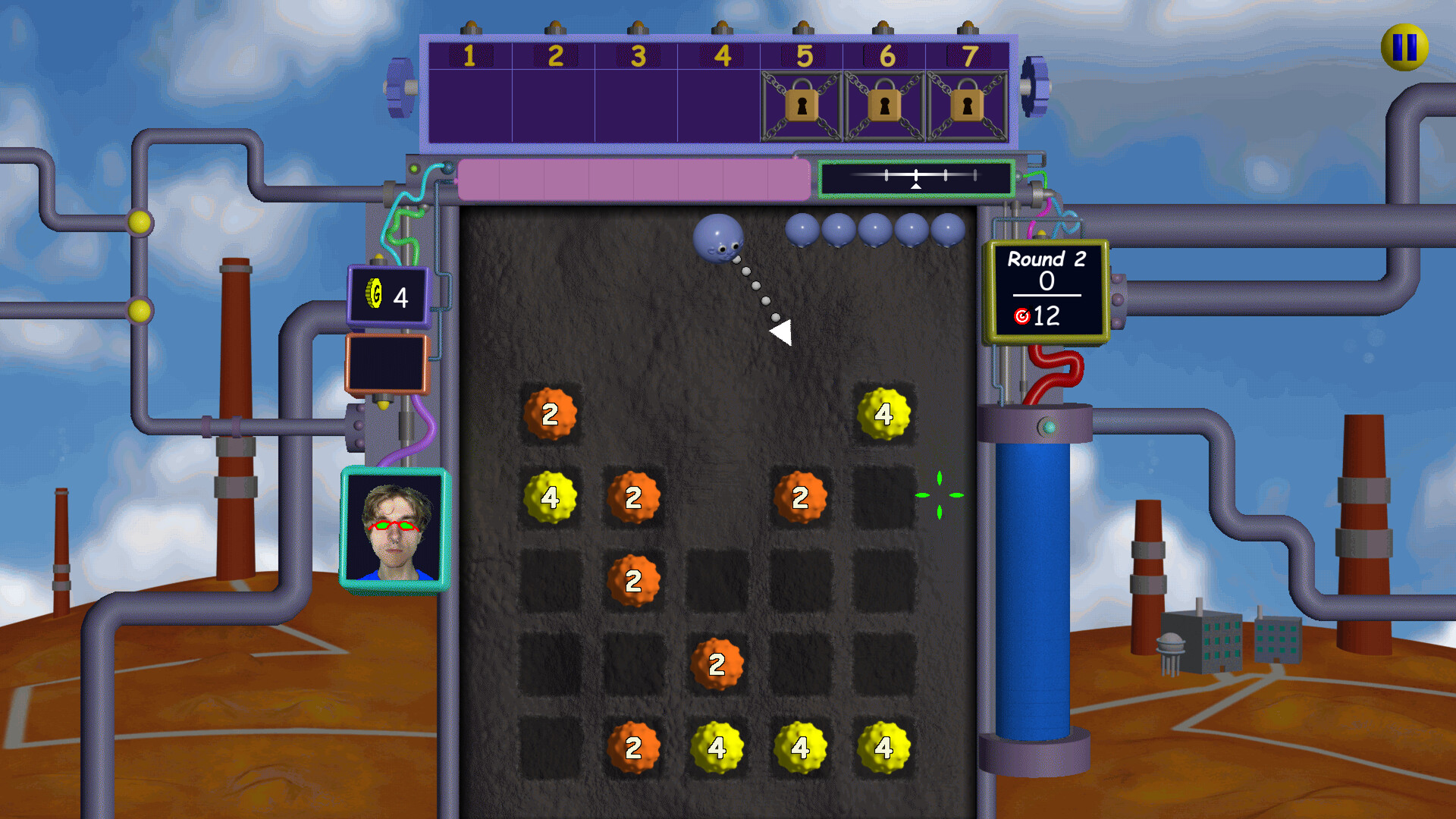
Nubby’s Number Factory combines Peggle- or Plinko-style simple gameplay of dropping a ball down through a series of pegs with the unhinged fever dream that feels singular in its style. Its inspirations come from an early internet style of website and game, with bizarre 3D models and images of the developer’s face with MS Paint-style glasses on.
The gameplay of Nubby’s Number Factory is bliss to someone as obsessed with Peggle as me, but what truly speaks to me is the dedication to a singular vision that’s just a little odd. It’s an era of the internet that I don’t even have nostalgia for, but the dedication to every aspect of making Nubby’s Number Factory creates a perfect replica that speaks to my core. Even the developer’s website, MogDogBlog adheres to the aesthetic, and I love that something so specific can exist and speak to people like me.
By James Carr
Recommended read: Marvel Rivals Review – I Can Do This All Day
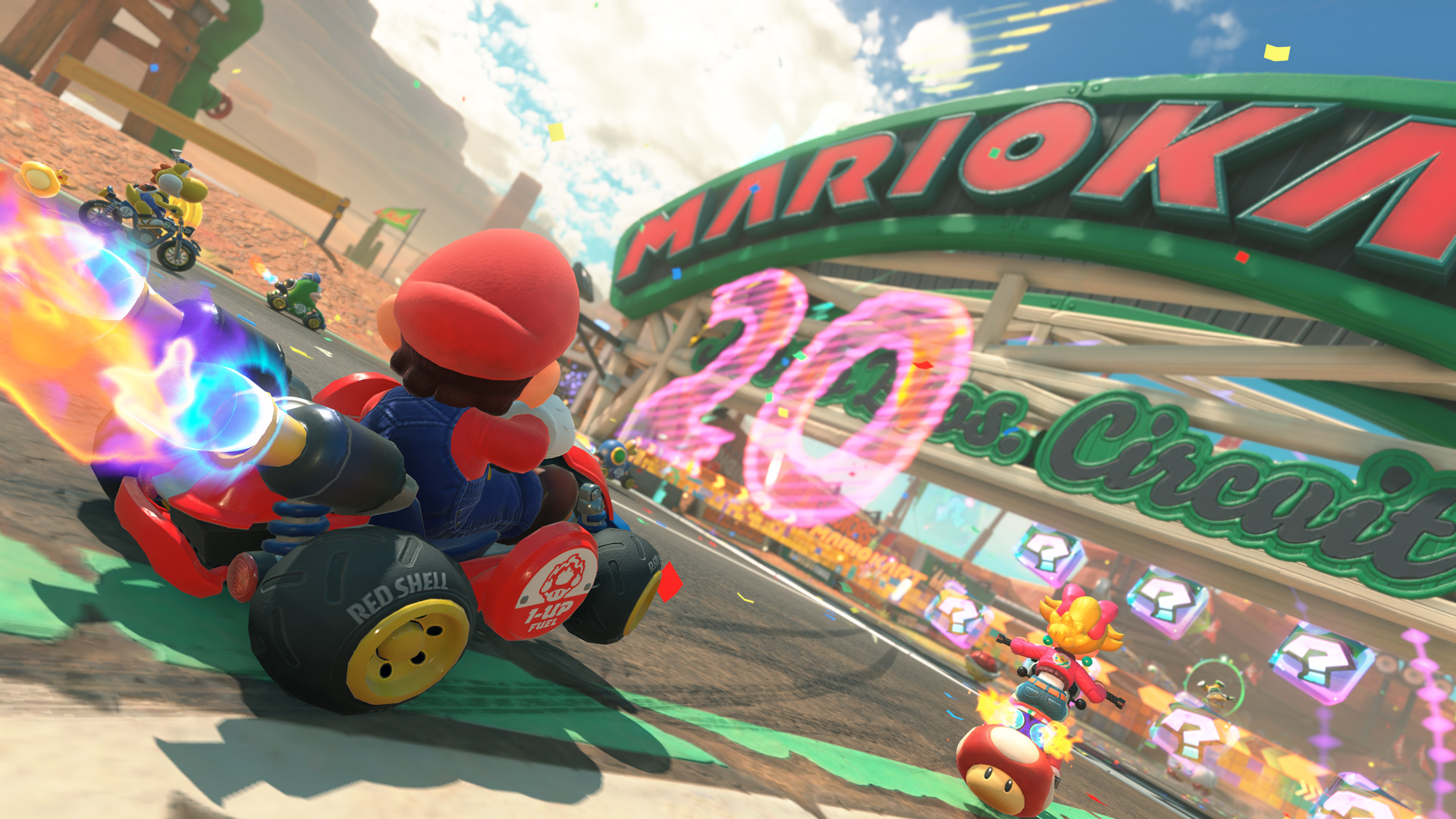
Mario Kart World
Mario Kart World is a game of two halves. On the one hand, I love the characters, the tracks, and all the classic Mario Kart items. (Shout out to the outstanding bullet bill). On the other hand, however, sits the feature I wish to talk about today: The open world.
Free Roam mode isn’t bad. Nor is it devoid of life. It’s filled with enough missions, special coins, and other hidden collectibles to keep you busy for a while. Strangely though, none of it ever feels needed. For all its optional bits and pieces, the open world mainly left me thinking one thing: “This is cool, but I would rather be doing a race”.
And that’s the thing. Mario Kart World is an outstanding racing game, filled with all the charm we have come to expect from a Mario game. It is not, however, an open world adventure. Nor does it need to be.
In attempting to appeal to the current obsession with side quest filled open worlds, what we have lost is the opportunity for a Mario Kart game with even more classic tracks. Games are at their best when committing fully to what makes them shine, not when attempting to appeal to mass expectations. Nintendo knows this, so hopefully they double down on classic tracks with any future DLC plans, and leave the open world exploration in the pit lane going forward.
By Connor Queen
Recommended read: As Gentle as a Cloud
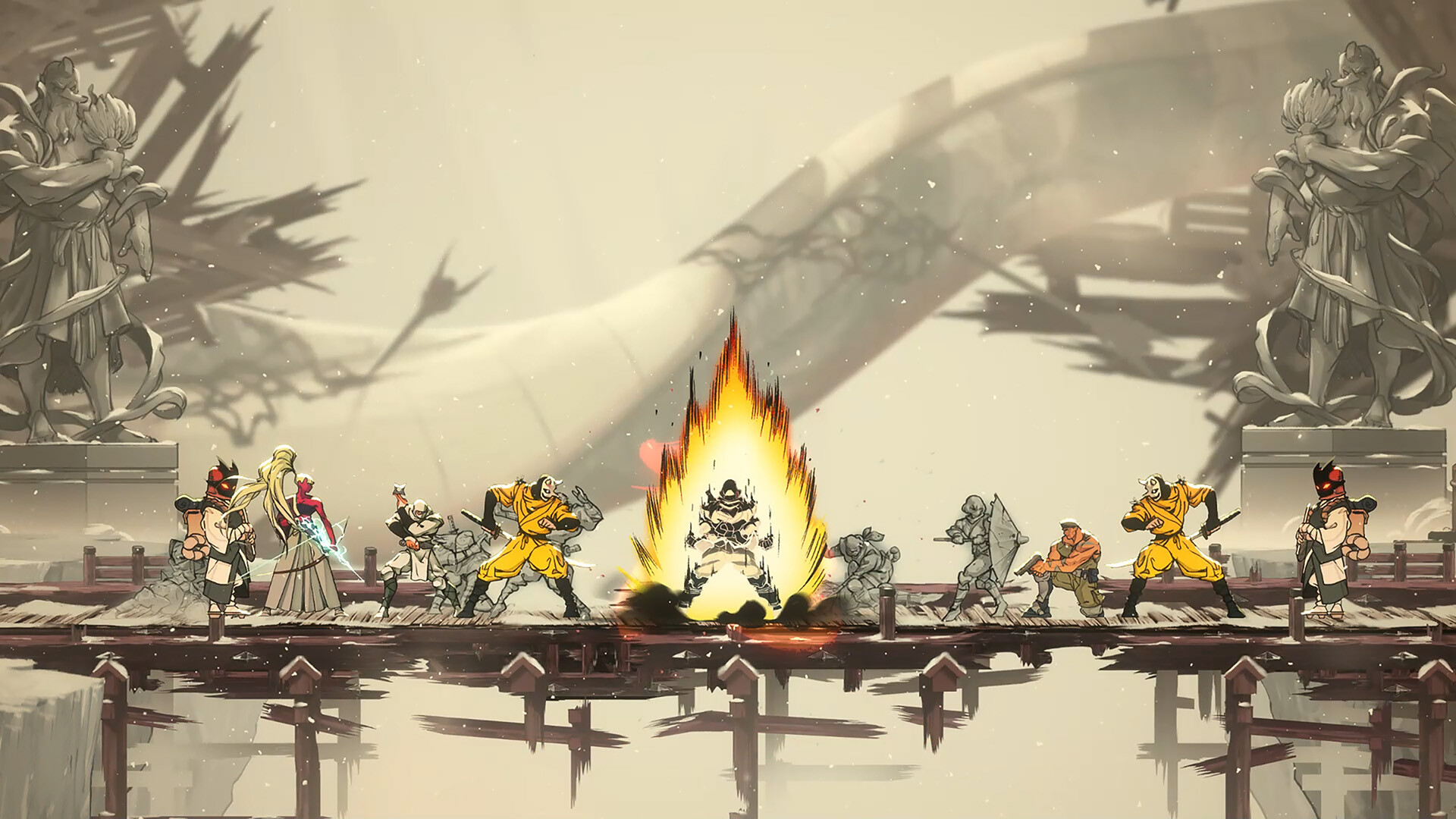
Shinobi Execute in Shinobi: Art of Vengeance
How do you know when a fight is over? In most games, it’s whenever the last enemy unceremoniously loses their last hit point, probably to tick damage or a stray light attack. In Shinobi: Art of Vengeance, it’s when time slows, Joe Musashi hovers in concentration for a breath, and the screen is criss-crossed with ninja swordstrikes. The satisfaction is its own reward, but the fact that enemies explode into gold coins and health pickups certainly doesn’t hurt.
By Dayten Rose
Recommended read: Please Stop Giving Wizards Guns
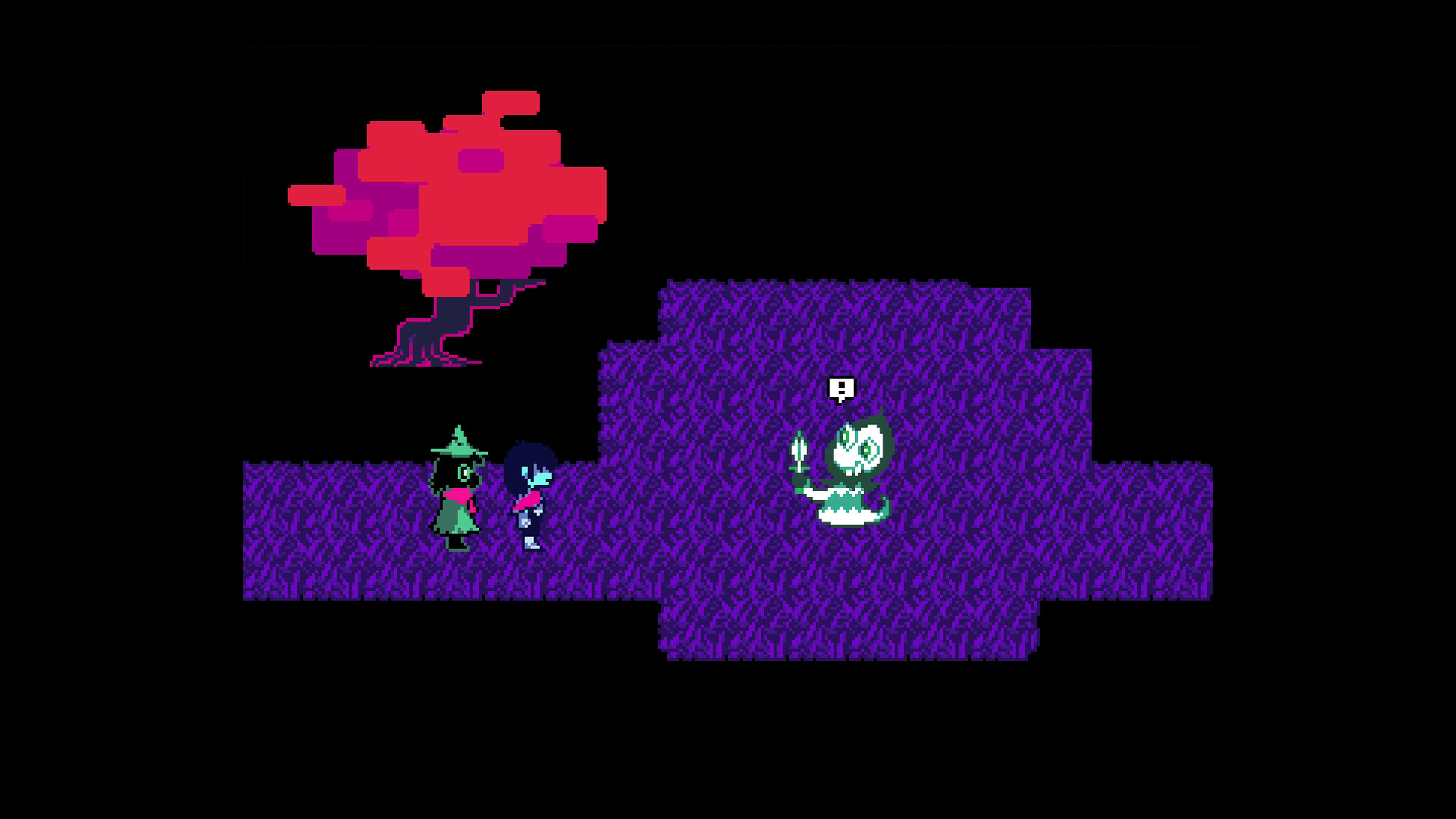
Deltarune Chapters 3 and 4
Deltarune is a game that’s just really, really special to me. When Chapter 2 came out, I pulled an all-nighter to tackle it in one sitting, and I hoped to play this year’s Chapters 3 and 4 with the same fervor. Unfortunately, the treacherous combination of graduating, getting sick for a month, moving, and starting a new job made Chapter 4’s final hour seemingly impossible to finish.
When I finally beat Chapter 4 in December after not progressing (or really playing any games at all) for months, a very vulnerable moment of dialogue still made me tear up despite my months away. Whenever Susie, Ralsei, and Kris pause to reflect on their unlikely friendship, I weirdly always feel like I’m part of it too — part of a friendship where you can stay apart for months and still pick up right where you left off.
By Amelia Zollner
Recommended read: Amid industry tumult, the 2025 MDEV conference captured Madison as an impending game-development hotspot
From the author: Free Palestine!
Editor’s note: You should check out Garage Sale and Ringtone Magazine
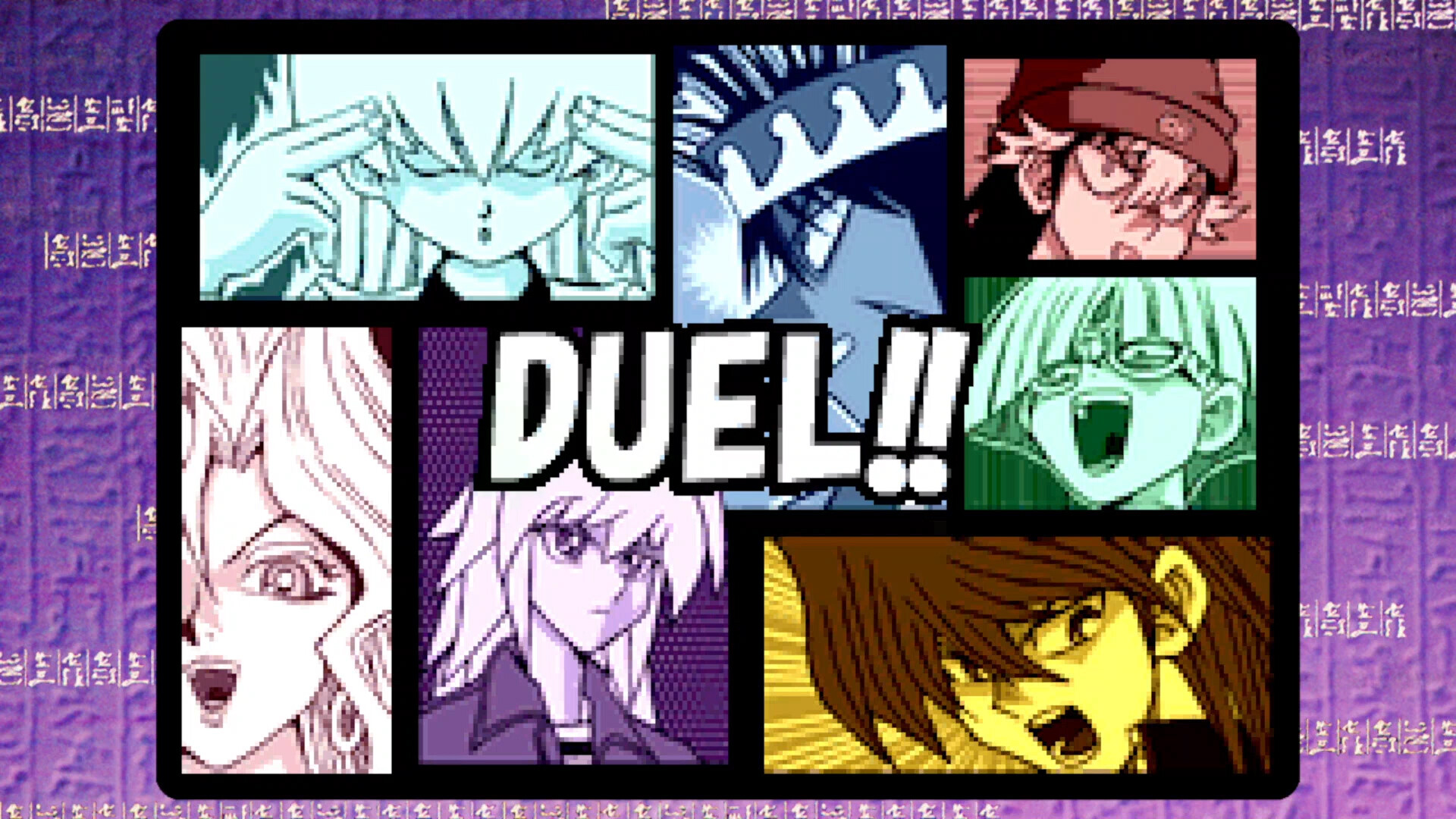
Yu-Gi-Oh! Early Days Collection
I had been excited for the Yu-Gi-Oh! Early Days Collection since it was first announced in 2024. I was so hyped for it that I ended up pre-ordering the game and reading the Yu-Gi-Oh! manga series to celebrate my birthday in late February. However, I didn’t get to play it much when it finally released. A couple weeks after my birthday, I experienced a traumatic caregiving incident that shattered me into pieces. In the aftermath, it would be a few months before I felt like playing the collection in earnest. One particular entry in the collection, Reshef of Destruction, ended up being the most engaging and challenging Yu-Gi-Oh! game I’ve played to date. Experiencing it helped me reclaim a sense of innocence and whimsy that I’d thought I’d lost, as well as bridge my childhood and adulthood. After several attempts, I finally beat the game by summoning Slifer the Sky Dragon and landing a final attack against my opponent’s life points at the right time. This triumph, as well as a question I saw on Bluesky, would inspire a new poem:
“Self Portrait As A Yu-Gi-Oh! Video Game Protagonist“.
By Latonya “Penn” Pennington
From the author: Shout out to The Binti Circle for providing me with the much-need community I needed as a Black femme caregiver. Please donate to them
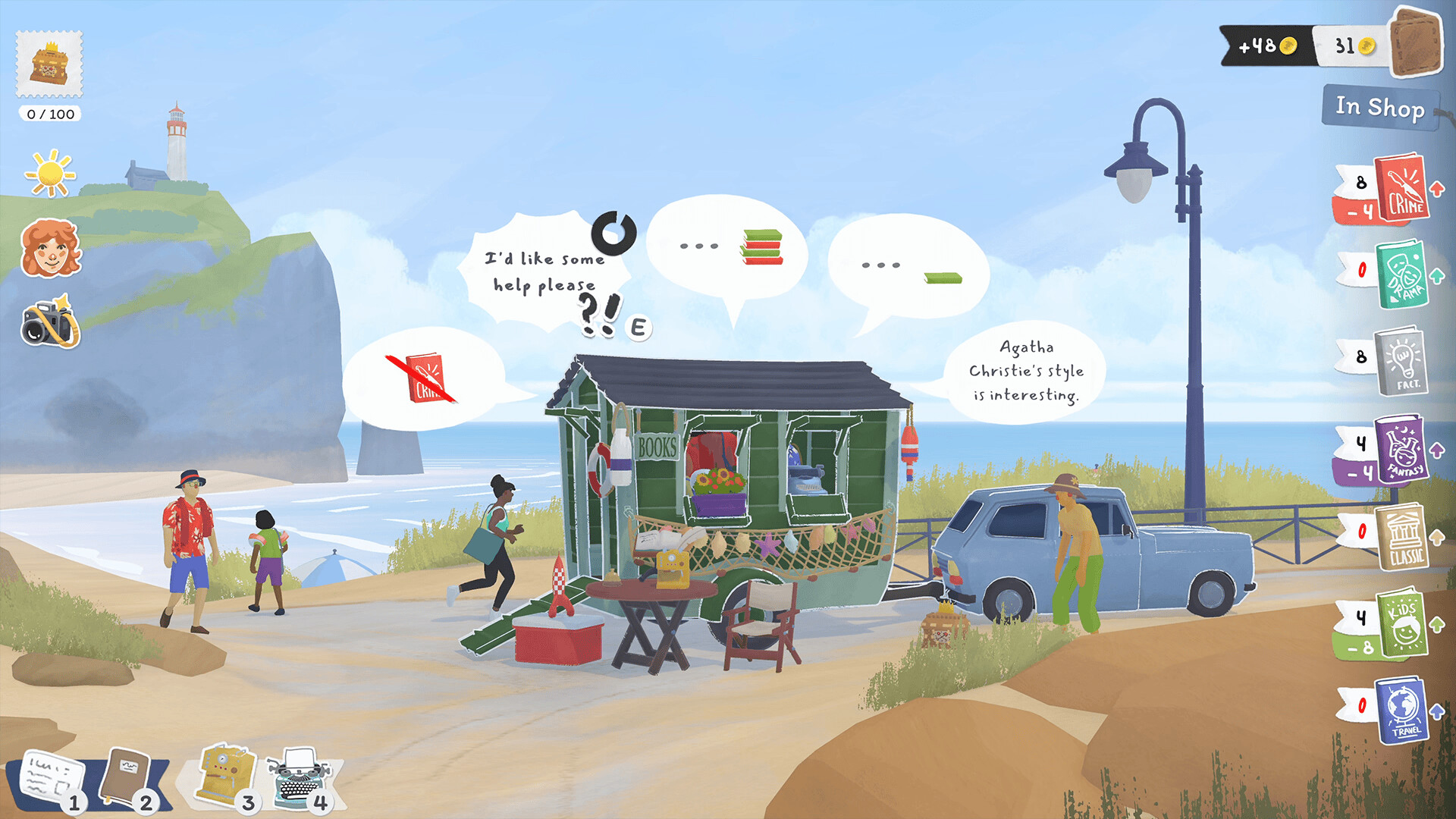
Tiny Bookshop
There is a book out there for everyone, just like there is a game out there for everyone. Tiny Bookshop, however, was made in a lab specifically for me (and anyone else who fits in the middle of the gamer-book nerd venn diagram.)
The recommendation system in Tiny Bookshop feels remarkably similar to what I do at my day job as a librarian, down to the joy I feel when I nail it and heartbreak I feel when I give it my best shot and miss the mark. You have your regulars, you figure out what sort of books they like and dislike, and you start to see how everyone fits into the story of their little literature-obsessed town. It is also unapologetically queer, has a charming story, and drives home the idea that communities will thrive when we love and support each other. Pull up a chair, grab a warm beverage, and maybe jot down a few of those titles. You might find your next favorite book.
By Gabriela Azeem-Angel
Recommended watch: Gabriela’s Twitch channel and her Games Done Quick VODs
Editor’s note: The author submitted books for the 1.1.0 update of Tiny Bookshop, and appears in the game’s credits
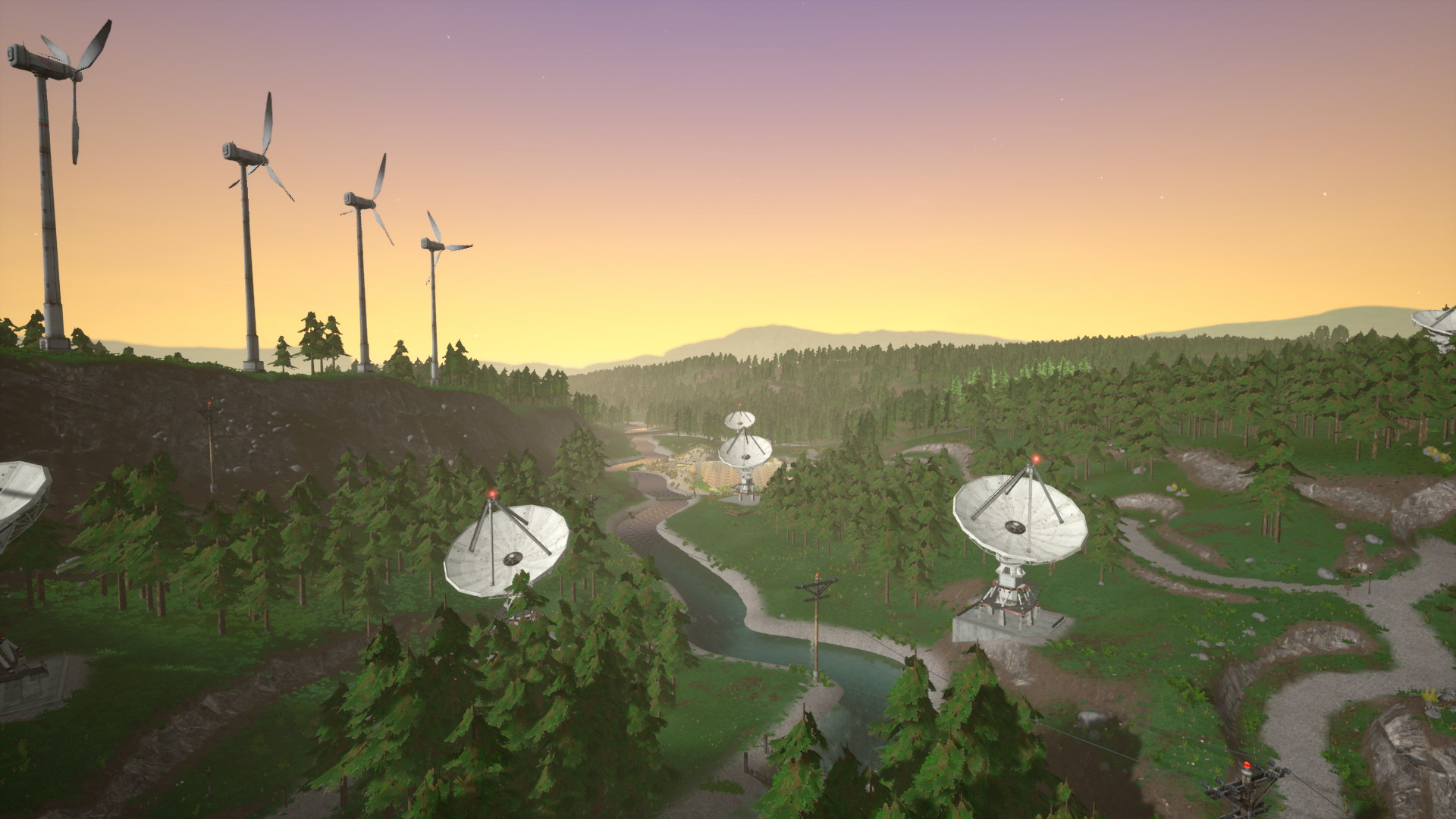
Voices of the Void
I’m a man with a lot of interests – outside of gaming, there’s football (soccer, if you must), films, and many more, but chief among them is a love of tinkering with radios. I own a shortwave radio and take particular pride in the fact that I have picked up signals from Chinese stations on the Afghan border and Kuwaiti talk shows. Radio astronomy falls into this remit, too, and so Voices of the Void has become a little bit of an obsession for me in 2025.
Set in the Swiss Alps, the game tasks you with capturing and deciphering radio signals from outer space, and is a spiritual successor to Signal Simulator. Aside from this, you’ll need to take care of your protagonist, keeping them fed, watered, and sleeping well. That’s easier said than done, both for you and the protagonist, as Voices of the Void can be intensely creepy. Horror elements can present themselves as waking up and being unable to go back to sleep because you “sense something”. You’ve never felt terror until you’re wandering a Swiss radio telescope station, waiting for something to jump out at you. It doesn’t help that the previous tenants of the station left mannequins everywhere.
Going too much into the scary elements would ruin the game, but I’ll give you one, as it was one of the best moments of the year. I decoded a strange signal that presented itself as an evil red scar across the sky. Decoding it more and more, I noticed that its file size was an ominous 0.666 MB. Eventually, the final image from the signal displayed as a red screen, emblazoned with a lifelike skull, and the text “the end is coming”.
Voices of the Void is phenomenal: it’ll delight you, it’ll make you scratch your head, and it’ll scare the shit out of you. It’s free, too, so give it a go!
By Joe Chivers
Recommended read: I love Blue Prince for one simple reason: it’s the closest thing we’ll get to a House of Leaves game
From the author: Donate to Trans Lifeline and look out for each other
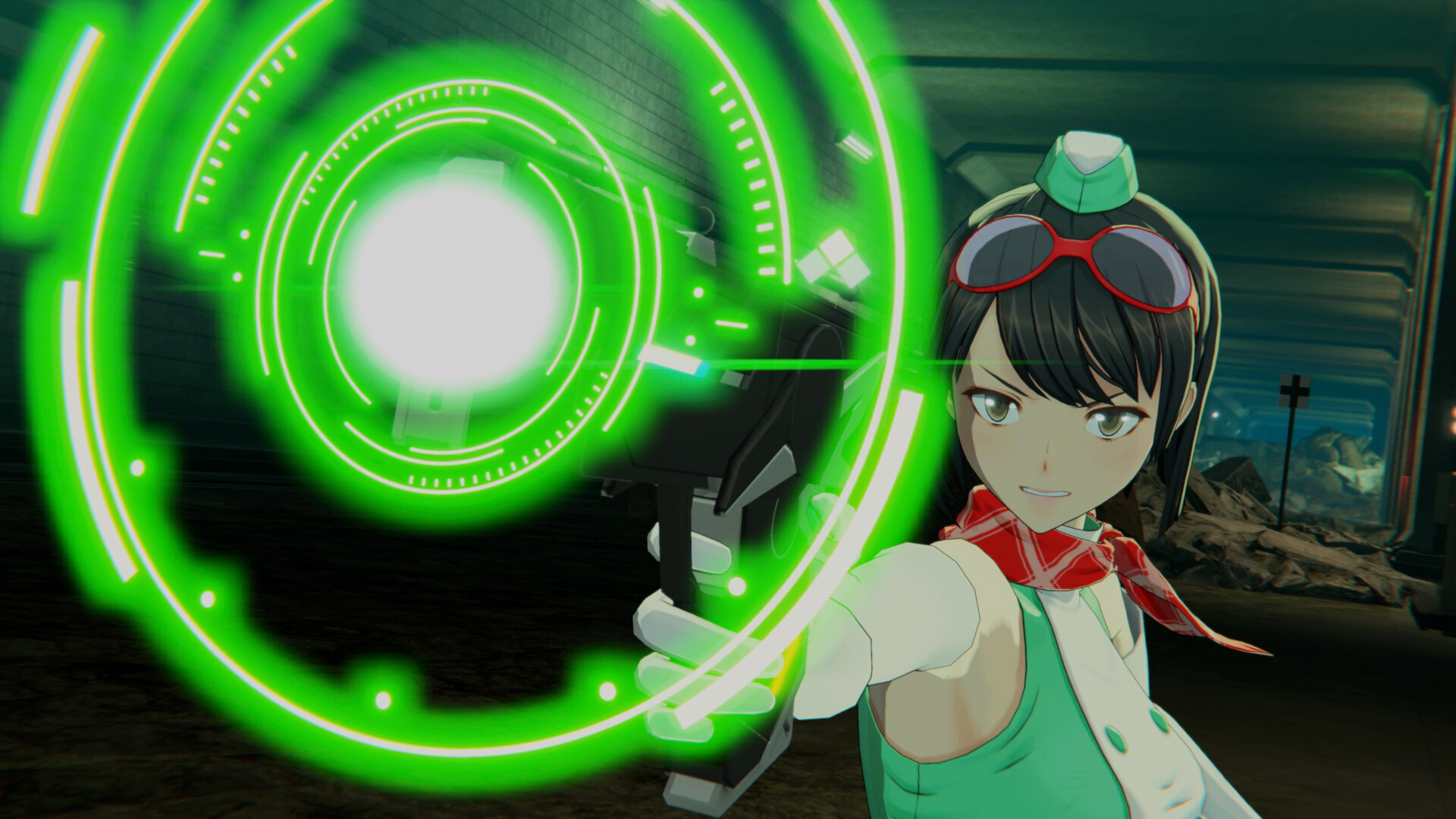
Digimon Story Time Stranger
I am once again asking you to give Digimon a chance and play Digimon Story Time Stranger.
I’ll be honest. I played Digimon Story: Cyber Sleuth for maybe two hours before moving onto something else, but Time Stranger had a much better hook for me and gets you acquainted with Digimon fast. You’re missing out on some satisfying creature collecting and storytelling by assuming it’s mid. The Digimon Story series has more in common with Shin Megami Tensei than Pokémon, and I feel like more people would give it a chance if they just realized that. The less you expect Digimon to be like Pokémon, the better.
Also, the character designer for Cyber Sleuth and Time Stranger is the same character designer for Shin Megami Tensei: Devil Survivor and illustrator for the Durarara!! light novel series, which I just think is neat. Shout out to Suzuhito Yasuda.
By Jess Reyes
Recommended read: Devs Discuss Bringing A Broader View Of ‘Asian’ To Games For AAPI Heritage Month
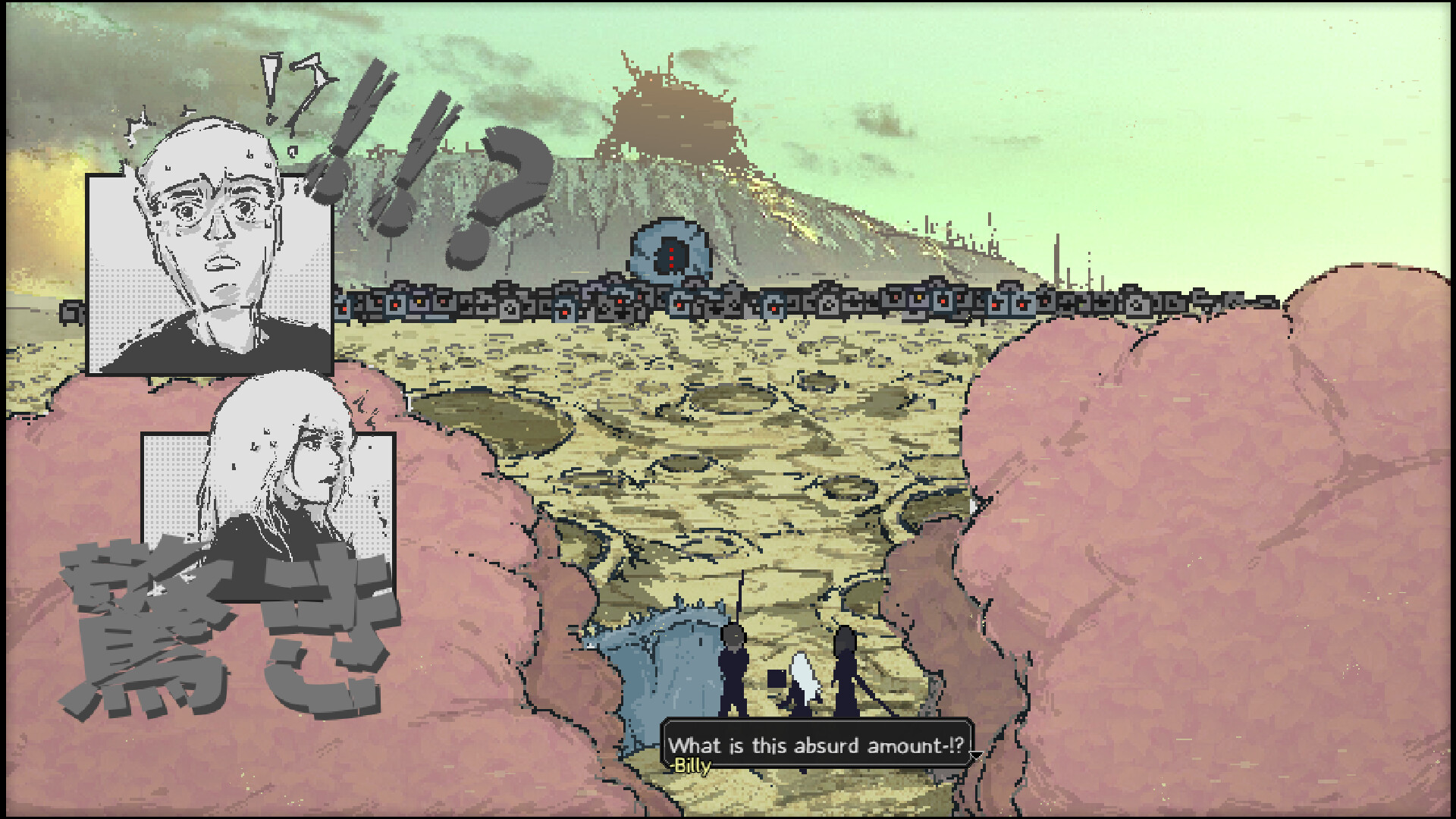
Artis Impact
Artis Impact’s central conflict between humanity and AI is topical, to be sure, but it’s the moral of the story that feels so impactful here (pun not intended). Yes the evil machines will be fought in turn-based encounters typical of RPGS but that isn’t the bulk of what protagonist Akane (and by extension the player) is tasked with. Instead time is largely spent talking with the inhabitants of the world, learning about their lives. In the case of Artis Impact, and perhaps our reality as well, community is the solution to fighting against AI and the corporate evils it perpetuates. We must rely on one another.
There is no machine that can replicate the way people connect. Part of that necessary connection comes in how we make and receive art. To that effect, Artis Impact practices what it preaches. Solo developer Mas’s hard work is on display in the form of a nostalgic pixel art world, frenetic manga-inspired cutscenes, and the immensely detailed NPCs that breathe life into every corner of the game. All that work has one goal: connection. Artis Impact seeks to resonate with the player, connecting the artist to the audience. It succeeds.
By Willa Rowe
Recommended read: Life Is Strange Endures a Decade Later Thanks To Its Music
From the author: Support the ongoing boycott of Microsoft’s involvement in the genocide of the Palestinian people by signing the No Games For Genocide pledge
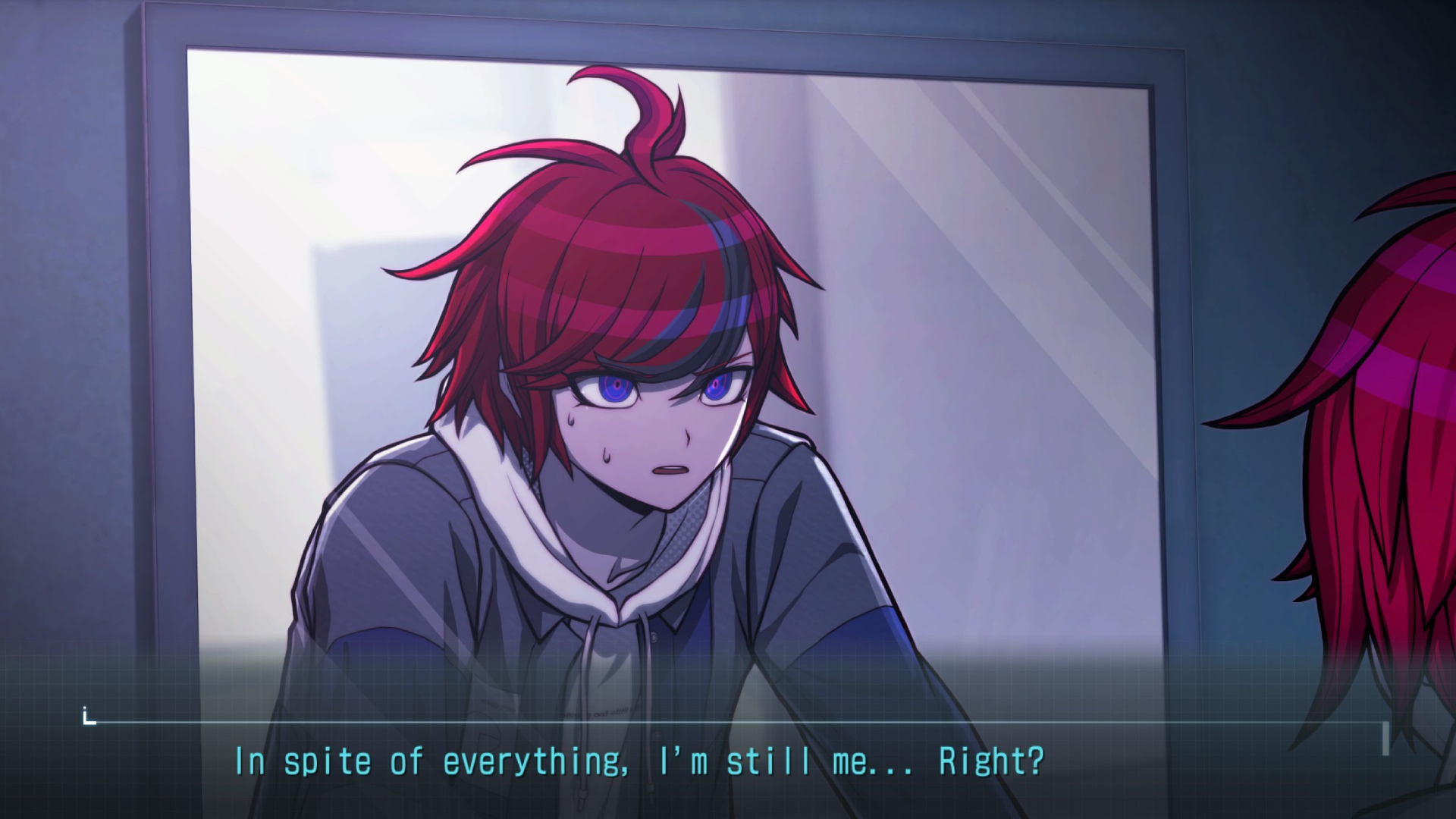
The Hundred Line: Last Defense Academy
It is infamous among friends of mine that this game has taken so long for me specifically, I started it before three of my friends and they all finished it before me. It was always there, ready for me to come back to, trudge through, blaze through, read line by line to. The Hundred Line: Last Defense Academy isn’t perfect, arguably arduous for some sections by design, it is hard to be keep it all cohesive with a experience this great a size, but more than any other year I find myself clinging on to its natural imperfections in the same way as a sort of sanctuary cliff, with the rising tide of Gen AI imperfections bleeding through the games industry.
In the Archipel documentary, composer on the game Masafumi Takada said this, “I now realize that betting on a game’s volume in the future is an aspect that will probably be absorbed by AI”. He is unfortunately right, as the documentary notes that 51% of Japanese developers use generative AI in game development.
Part of the achievement of The Hundred Line is the idea itself being executed, the things we can do and can’t do matter, the process matters, the people matter. It is important that I trust the way something was made, that trust is dissolving rapidly for tentpole releases. We need to start looking to each other and for transparency, may this not be a game I look back to for nostalgia of the raw human spirit, but in a long list well worn efforts yet to come on a scale much bigger than just the margins of this industry.
By Althemar Gutierrez
Recommended read: The Best and Worst of Timelines
From the author: now that you mention it: fuck Sam Altman
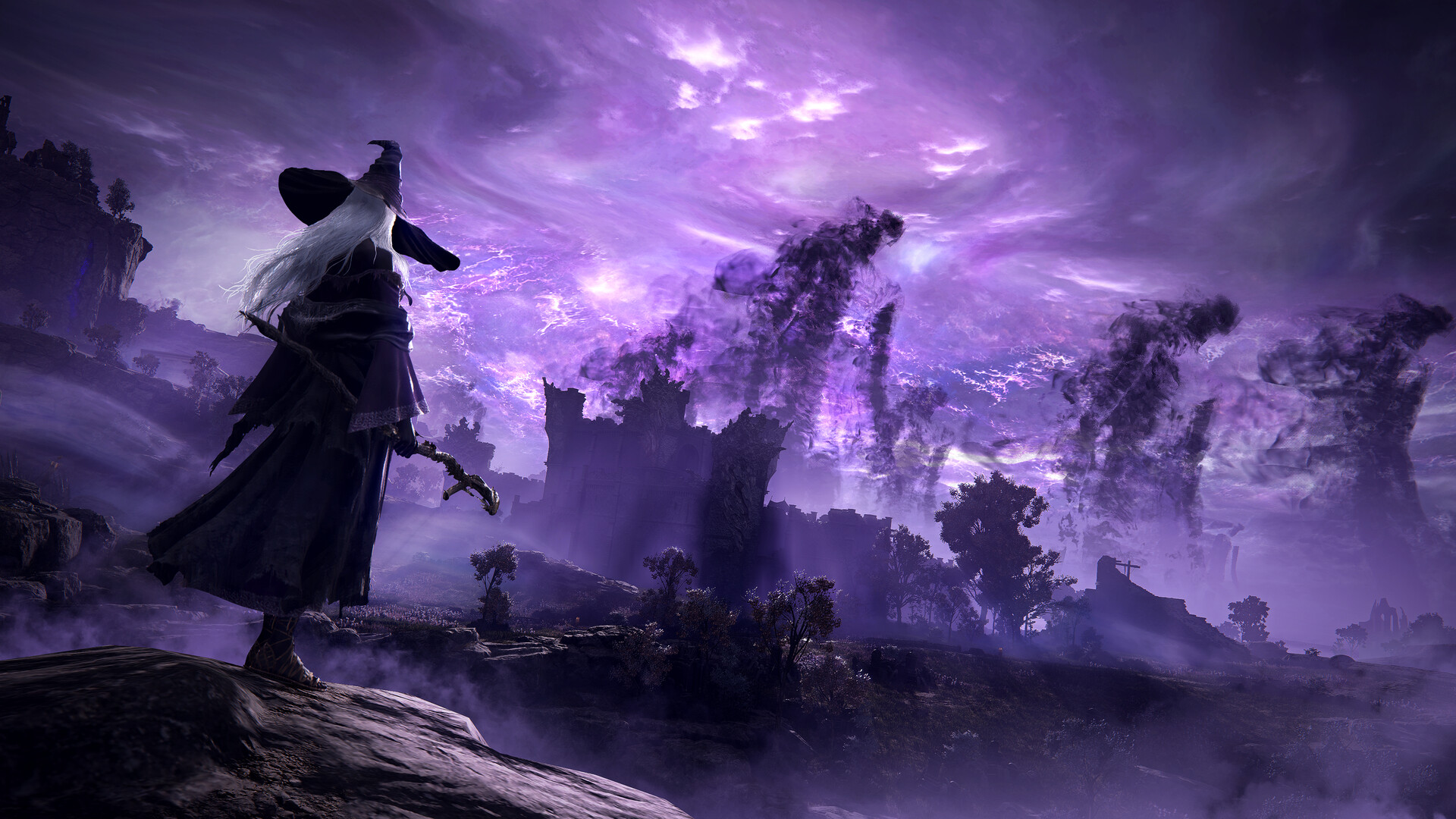
Elden Ring Nightreign
Elden Ring Nightreign is a deft act of recycling, one where every borrowed piece is chosen and fitted into a game whose many intersections create myriad surprises. There is a novel tension in blitzing through camps of recycled enemies (Elden Ring) to stay ahead of a ring of fire as it closes around you (PUBG), and a newfound joy in risking your life to venture into a mine for a piece of ore when you know full well that risk could get you killed (Escape from Tarkov). Limveld terraforms itself after every run (Rogue), bosses come back to haunt you after you’ve killed them, and there are curious little stories to unearth between expeditions (Hades). It’s easy to forget, when it is usually done so greedily (FBC: Firebreak), so soullessly, that there can be an incredible creativity in recycling, in taking pre-built pieces and putting them back together (Metal Gear Solid Delta: Snake Eater), in seeing something familiar in a different context (Resident Evil 4 remake), in peering through the mist to find out which old enemy boss will be the next to obliterate your three-person team (I don’t know, probably Destiny?).
By Suriel Vazquez
Recommended read: Outriders’ gun playground tells a grim story about colonizing space
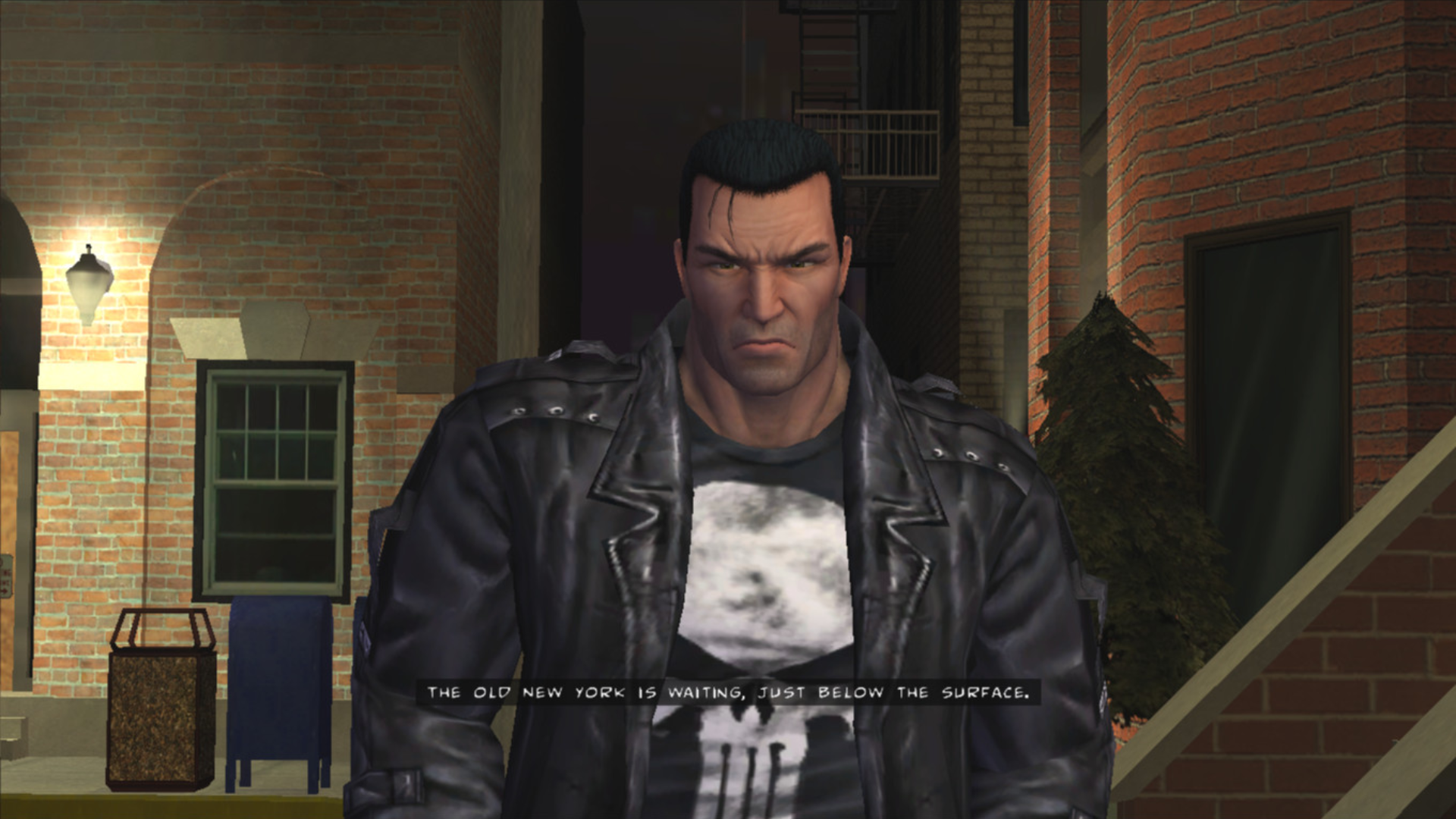
The Artist Formally Known As Frank Castle
The Punisher’s best work was in ‘05, but people called it senselessly violent, overly bloody – an exercise in gore. They didn’t understand the importance of craft. The moniker may fool some because it isn’t just about punishment through lethal penetration, a playdate with body horror, or mutilation porn, but high artistic expression. This is Frank Castle, the artist, a sculptor of suffering, an architect of fear, leaving behind tapestries made of spent casings, organs, and entrails, with the iconic skull as his artist’s signature.
We’ve never seen someone so proficient with weapons of opportunity and unthreatening civilian hardware. Often unaware of how many he’s killed – there were several explosions – barely noticing those he’s saved — in it for the art, not accolades. The squelch of a knife entering a body means fresh paint. Frank’s muse is the whispers of his dead family.
Some knock off his style, cheap imitations like “That Finisher Dude,” but no one gets that well-executed murder is a bloodstained mosaic. Castle’s critics say he’s just a man with “a big rep and a little dick,” but they’re quickly silenced.
Real fans know Frank peaked at Bobby Gnucci’s funeral. Hiding in the casket, jumping out with a hail of bullets to greet the weeping bereaved. One mortician even thanked him for putting his kids through college. Castle is an artist without ego, a death-dealer, giving life to the canvas – a corrupted city. He’s one of the great masters, an unappreciated virtuoso, and it is our privilege to see him work.
By Stephen Wilds (Bluesky – Twitter)
Recommended read: Gamers Nightmare 2025 | Manhunt – A Second Look
From the author: Fuck an AI! (Or is that the problem and people are trying to fuck them now?)
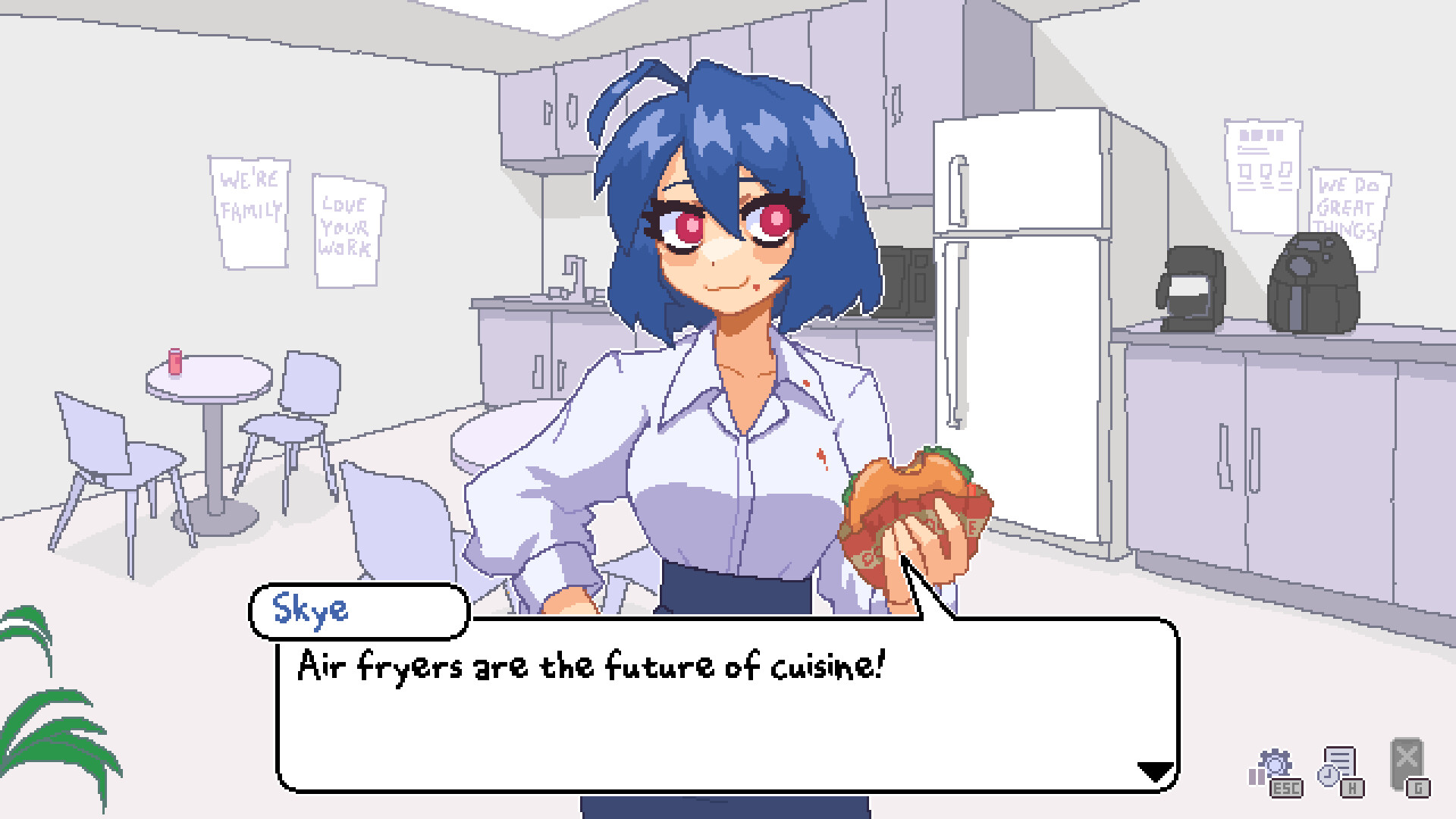
Endless Monday: Dreams and Deadlines
Endless Monday: Dreams and Deadlines made me rethink how I approached my own work and life balance back when I played it in 2023. Despite being a lot better in recent years, I still procrastinate a lot. hcnone’s characters and story continue to hit home looking back at just how much I ended up doing this year, delays and all. There’s a chance this short visual novel will make you think a lot about your work ethic, but there’s a greater chance it makes you want to grab a burger and coffee right now, and I don’t think I’d want a game to make me do anything else.
By Mikhail Madnani
Recommended read: “I want to do an RPG more than anything” – Health’s John Famiglietti on his next soundtrack, Cyberpunk 2077 collaborations, and more

Silent Hill f
The question of what Silent Hill is inevitably manifests when you talk about Silent Hill f. Strictly speaking, Silent Hill is a town ruled by a mad cult bent on bringing demonic forces to our world via human suffering and manifesting hellish alternate versions of the town borne from different people’s psyches. But Silent Hill as a series was never about Silent Hill the town. In fact, the lore is the least interesting part of Silent Hill. My favorite entry, Silent Hill 2, puts this lore firmly in the background merely as a means to showing the sins and imperfections of one fallen human being via a horrific allegory. But over two decades of returning to that town both literally and metaphorically reveals how much it limits the kinds of stories you can tell. So while Silent Hill f is completely removed from the mists of Maine, setting it in 1960s Japan lets it be more Silent Hill than the series has been in years, allowing it to explore themes of gender, identity, addiction, and family in ways the series has never been able to before set against a backdrop of small town Japanese folklore. Yet it still feels like it fits into the oeuvre of Silent Hill games overall, with familiar combat, map-friendly architecture, and multiple endings. Silent Hill f may leave that foggy town behind, but that departure provides the room the series needed to grow and get to the heart of what really drives Silent Hill.
By Jeremy Signor
Recommended read: Queerly Ever After
From the author: Support trans rights, pay trans people!
It Takes Two
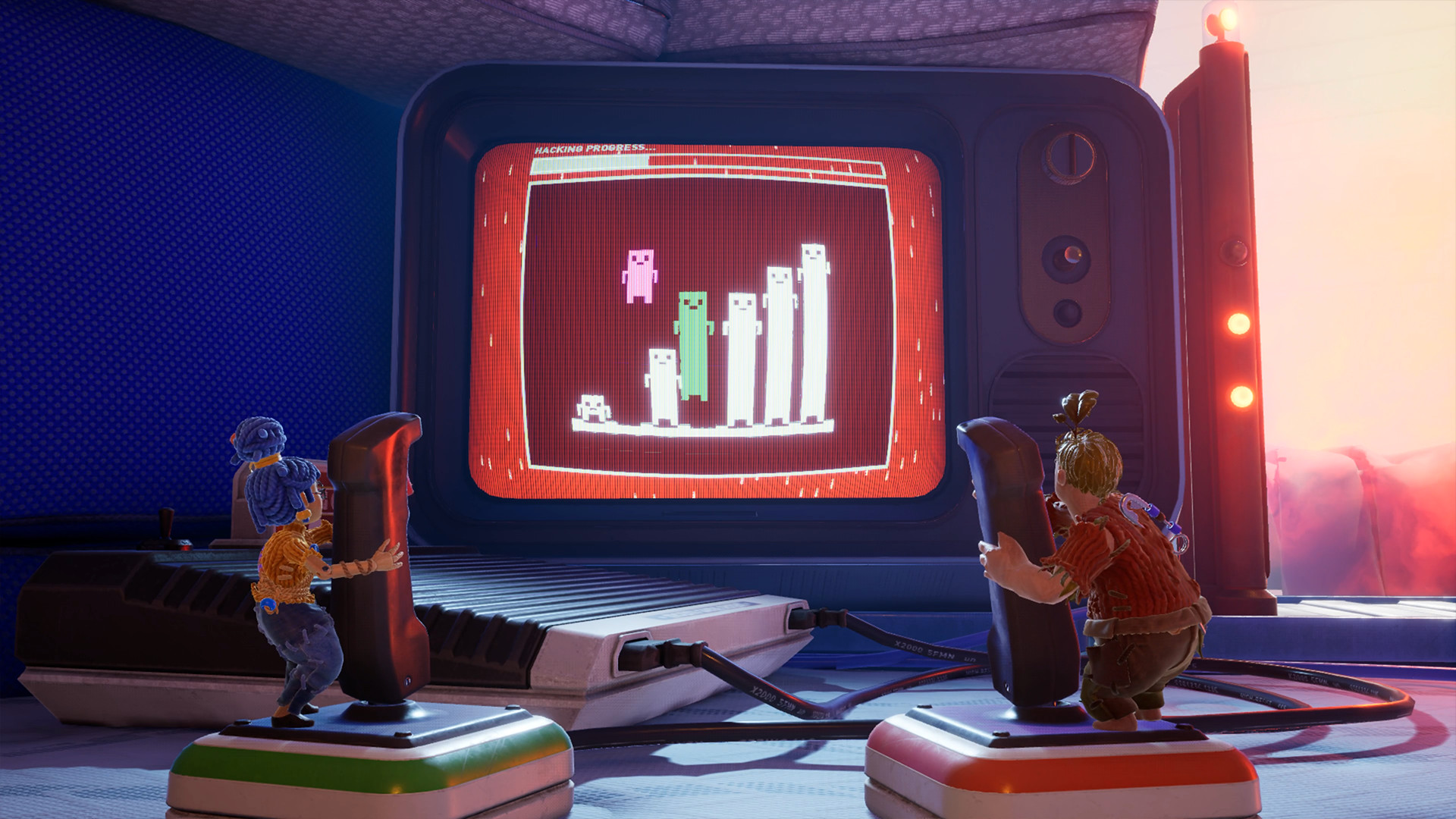
Imagine yourself as a child not realising that you’ve turned your parents into a clay doll and a wooden puppet after finding out they are getting a divorce? That’s what Rose does to her parents, Cody and May, in It Takes Two. From then on, the entire premise is for two players to take control of them and work on mending their broken relationship on different levels, from Rose’s Room to the Snow Globe. The game also has some funny moments to it that I loved, from Cody being turned into different vegetables in the Garden boss battle, to THAT Cutie scene (I’m sorry but I was so shocked that I laughed at what had occurred!). I had the time of my life this summer playing It Takes Two, and it really taught me the importance of patience, friendly competition, and strategising together to get to the next step or puzzle. Because it definitely takes two to get through this wild adventure!
By Nyasha Oliver
Recommended read: How DBSK set the bar for K-Pop today
From the author: I’m making an online resource center on all Black individuals and businesses in Asia in 2026 – watch out for it!
Editor’s note: The author was initially assigned to write about Clair Obscur: Expedition 33, but after the recent findings regarding the use of gen AI, the author and Spine decided to go with a different game altogether. Here’s a good recap of the situation. Thanks to Nyasha for being so accommodating and basically writing two blurbs instead of one

Many Nights a Whisper
In the moments that define it, your life can contract.
Life as a human person is rich and broad, heavy and loud. No person lives in isolation – we exist as nodes in a vast web. “We live in a society,” if you will, as small parts of many wholes. Currents of culture and tradition, desire and need flow around us, bearing us along in the slipstream of their great forces.
Sometimes though, a moment sheds that noise and casts off the weight of expectation. Sometimes, we exist suspended alone in a single defining instant, a mote of dust in a sunbeam. The currents that deposited you there cease to exist. The past falls away and the future collapses like a telescope, snapped shut.
The bow in your hand, a target, distant.
Breathe in, breathe out. Dust in a sunbeam.
Many Nights a Whisper is many things, but above all, it is this. It captures in its final moments, better than almost anything else, the peculiar quiet of the instants that define our lives. I’ve felt that quiet in moments big, and small. In job interviews, playing sports, when I first told a girl that I had a crush on her. It is an unmissable and refined five hours, and one of the best games of 2025.
By Evan Ahearne
Recommended watch: The Game That Broke Me
From the author: Ireland’s trans healthcare system is the worst in Europe, but TENI wants to change that – donate here
Is This Seat Taken?
Not to sound like a snoop, but I witnessed quite possibly the most adorable, straight-out-of-fanfic meet cute on the D.C. Metro a couple months back.
We were all squashed in a very cramped orange line train during rush hour when it lurched, sending one guy stumbling into a woman nearby. He caught himself on the wall, resulting in his outstretched arm enclosing her. They both blushed beet red, laughed it off, then shared a conversation about public transit.
She shared that she typically listens to audiobooks quietly by herself, using her commute home as a way to debrief her day. For some reason, she just didn’t pick up a book this time. He said he prefers sitting and dozing off in a corner seat by the window, but had no choice that evening.
Is This Seat Taken? kind of has the same vibe. It is a logic game in which you arrange a seating chart for characters with very specific preferences in cars, restaurants, classrooms, airport queues, and other shared spaces. One might want to yap with their friend next to a window seat, which means you must keep them both at a distance from another character who wants to be solitary. And if that solo traveler is doused in perfume? Then you’ll have to keep them away from a different character who hates strong scents.
Its challenge stems from resolving all these clashing (and often amusingly nit-picky) demands. However, as whimsy and satisfying that objective sounds, that Metro encounter haunted my mind as I played each level. Most days, yes, we’d love getting a seating assignment that aligns with our quirks. I’d be lying if I said I’m not slightly let down when there isn’t an empty row on the bus where I can dissociate in peace after an overnight work shift.
But I mean, come on! They hopped off the subway with each other’s numbers typed into their phones!
By Alina Kim
Recommended read: Chasing Nothingburgers?
From the author: Congratulations to all my writer friends who published books this year: Wahid Al Mamun, Arabelle Sicardi, Jonathan Capehart, and Noelle Cook !!
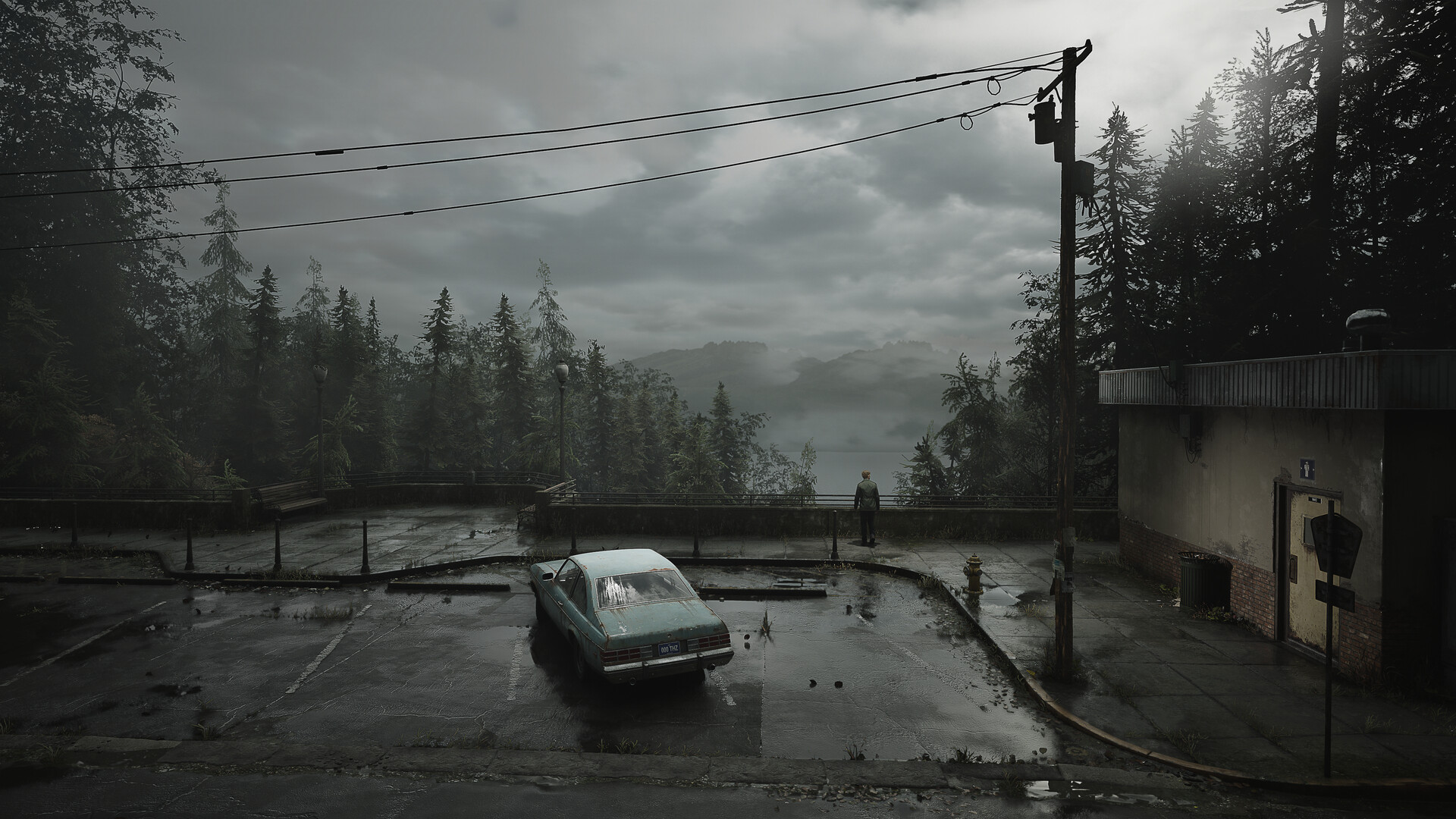
Silent Hill 2
My friend and I are huge fans of survival horror. You name it, we’ve played it. Albeit entirely different from one another, the character and playstyle changes so wildly as the controller is passed between us. It’s an arrangement that favors me, as my friend meticulously combs the environment for every lootable material that he can find. That is only until my turn comes around as I blast through our consumables, one missed shot at a time.
The Silent Hill 2 remake was our latest in a long line of games this year, and it was no different. The story was compelling if not a little confusing, with me lording over what I thought the ending was, but in actuality we were both surprised at the very end. It’s certainly earned the reputation and reverence the original has. This is a masterclass in psychological horror, and even with lots of weapons at our disposal, the enemies still managed to get a shriek or two out of, I’d like to say both of us, but it was really just me.
I’ll close with this:
Sometimes playing just half a game with a friend is markedly better than playing the entire thing by yourself.
Oscar, I can’t wait for our next one.
By Joseph Nye
Recommended read: Reignited Childhood

Inazuma Eleven: Victory Road
I remember the first time I heard the name Inazuma Eleven was on vacation at my grandma’s house. At the time, I was obsessed with RPGs for the Nintendo DS, so I was surprised to learn that there was one based on soccer. Now, almost 20 years later, I rediscovered the series, which now features a protagonist who, like me, hated sports.
Today, with more than 20 hours of gameplay under my belt, I am confident that this is the best and most underrated game of the year. Not only does it offer entertaining and refreshing gameplay that presents soccer as a battle of wits, but it also has a story worthy of any top 10 anime list and content equivalent to almost three full games in one. But above all, it transports me back to those childhood vacations at my grandmother’s house, when having fun was as simple as finding more members for my virtual team.
I think I’m starting to like soccer again.
By Frank Reyes (Bluesky / Twitter)
Recommended read: Finding A Piece of Myself In Civilization VI
From the author: Hear. Feel. Think

Peak
When I remember this year, what I want to remember is that when I believed I couldn’t make it to the top of the mountain, my friends took me there anyway.
By Jay Castello
Recommended watch: Hades II’s ending isn’t fixed
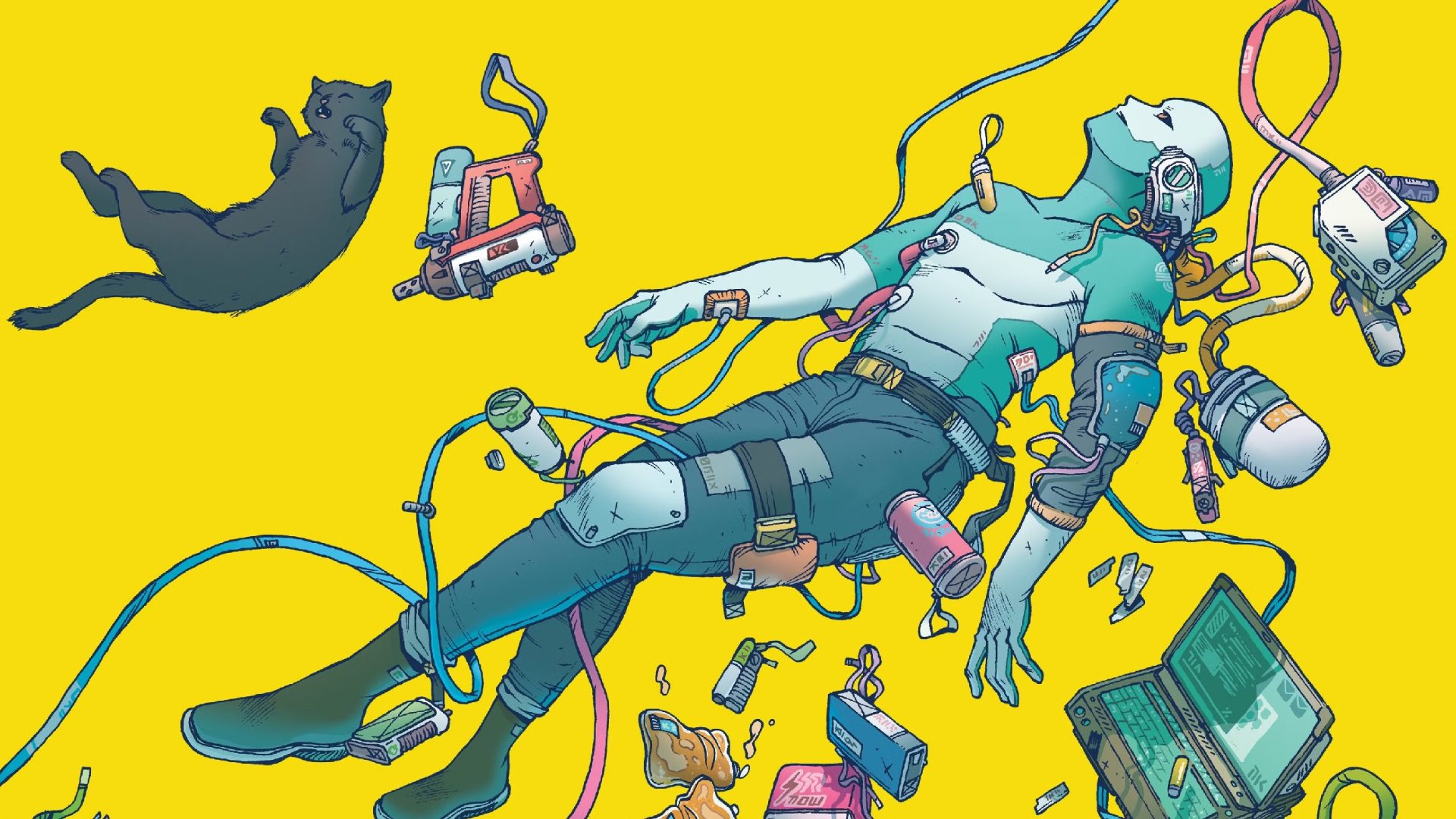
Citizen Sleeper 2: Starward Vector
Citizen Sleeper 2: Starward Vector was released at the start of a year that offered a relentless parade of headlines about war, genocide, cruelty, and corporate malfeasance. Ignoring the news could make you feel guilty; following every exhausting story could make you feel helpless. How do you resolve the dilemma? The answer, according to Jump Over the Age’s moving sci-fi RPG, is to do something. You don’t restructure society or topple the heartless company overlords in Citizen Sleeper 2, but you do touch the lives of the people you meet. And in doing so, you help them make the little corner of the universe that you share a better place. As a long, tiring year comes to a close, Citizen Sleeper 2 offers a timely reminder that while most of us can’t change the world, many of us can change the world around us.
By Mark Hill
Recommended read: Every Insufferable AI Guy Should Be Forced To Watch This Classic ’70s Thriller
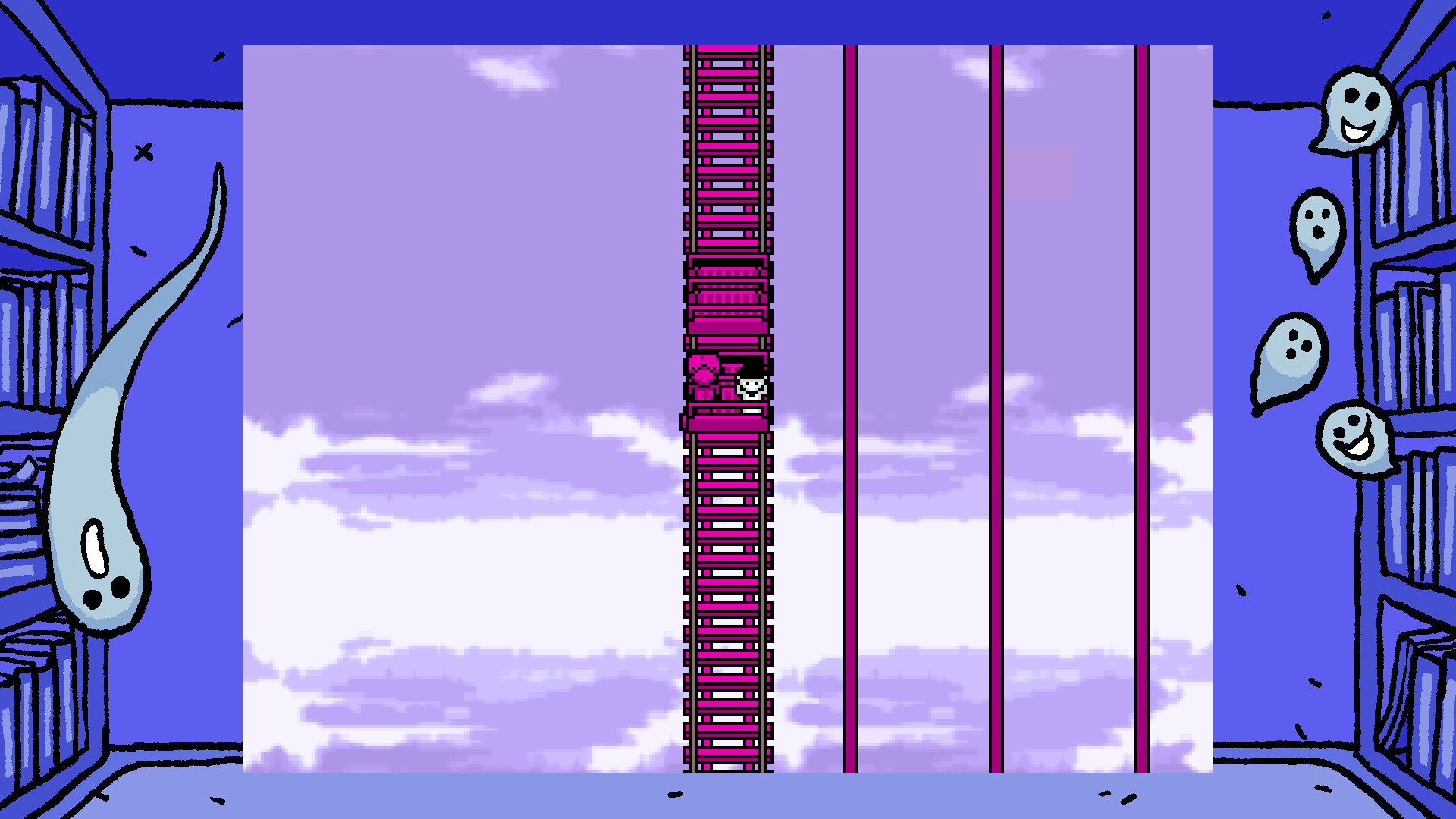
OFF (2025)
What makes a game break into your favorite games of all time? Is it the bizarre meta story? Is it the strange and sometimes grotesque design? Is it the unique and catchy soundtrack? Is it that you haven’t been able to stop thinking about it since you played it over 3 months ago?
This is my relationship with OFF since playing the 2025 remaster back in September. Its original meta narrative, that inspired the likes of Undertale (another of my favorites) among others, absolutely draws you in from the moment it starts. From there, the bombastic soundtrack, bizarre characters, and engaging classic turn-based RPG gameplay will keep you steeped in this otherworldly experience. This is one to not be missed if you love classic RPGs, and has easily jumped up the list into my favorite games of all time. Batter up.
By Matt Storm aka Stormageddon
Recommended reads: Matt’s Musings
Recommended listens: “Fun” & Games Podcast and Reignite
From the author: Fuck Generative AI, Fuck ICE, and Trans rights are human rights!
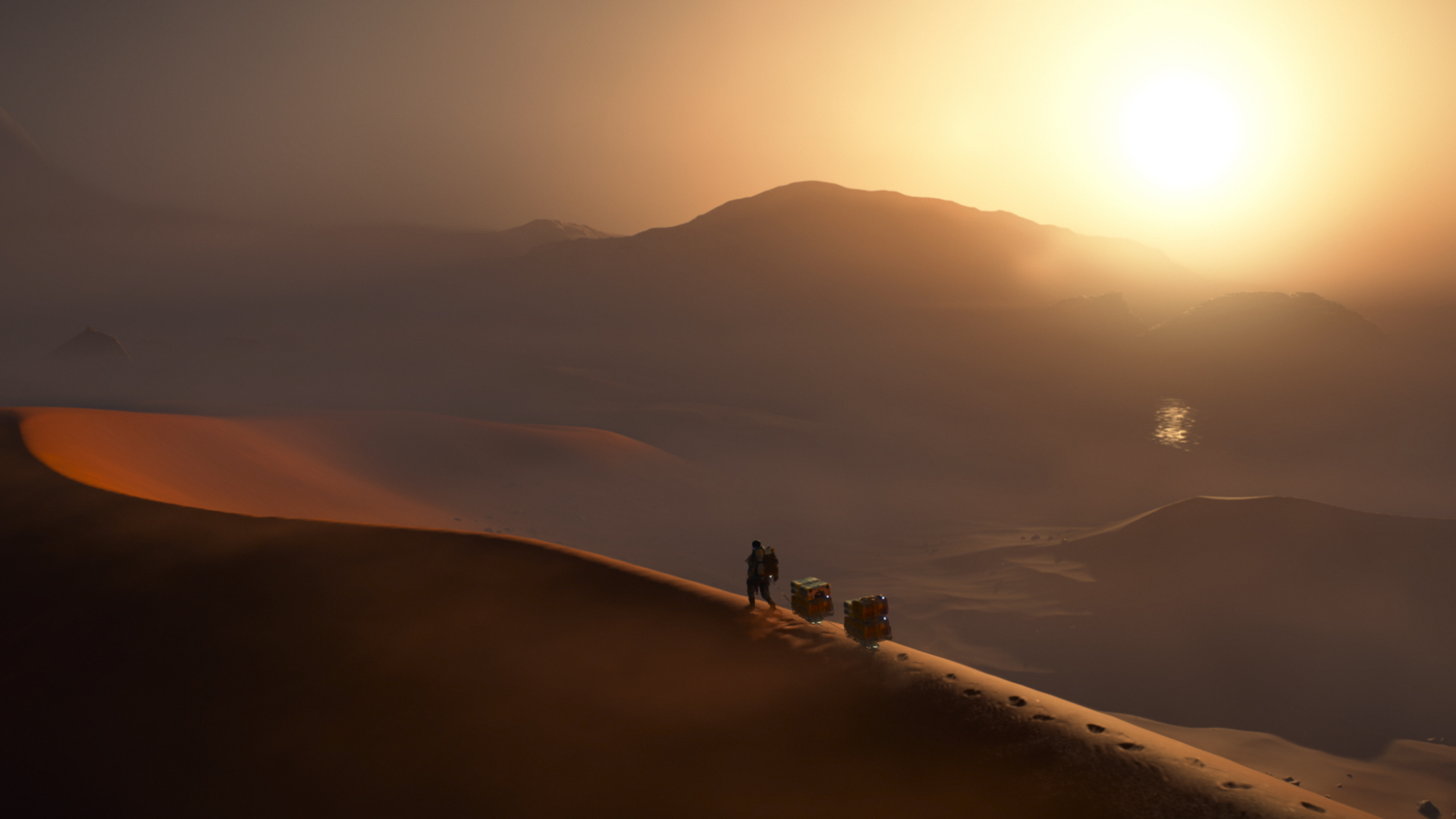
Death Stranding 2: On the Beach
It feels slightly wrong to call a game subtle when so much of it is written with the delicacy of a grand piano falling out a window, but Death Stranding 2: On the Beach contains thematic nuance beneath the broad strokes of its storytelling. Presented as a self-conscious repetition of the first game’s structure, the sequel still finds rich terrain to explore in its landscape — now shifted, in a literal sense, to take place in a different continent, and, in metaphorical terms, to explore the treacherous geography of grief. The ghosts of its predecessor live on within Death Stranding 2 as more pronounced spectres, its preoccupation with death foregrounded. Importantly, it’s a game that reckons with how difficult it is to move forward in life despite great loss. That difficulty is mirrored in a dogged protagonist who keeps on keeping on, even as his feet blister, the sun burns his skin, and bruises ache in places deeper than the surface of his flesh. There’s something to be said for the virtues of perseverance, Death Stranding 2 points out, and then asks if you agree by nearly breaking your back with the weight of a fresh supply of cargo to be carried up yet another mountain.
By Reid McCarter
Recommended read: 2025 Is Full Of Historical Blockbusters Trying To Rewrite Old Myths
Editor’s note: read and support Bullet Points
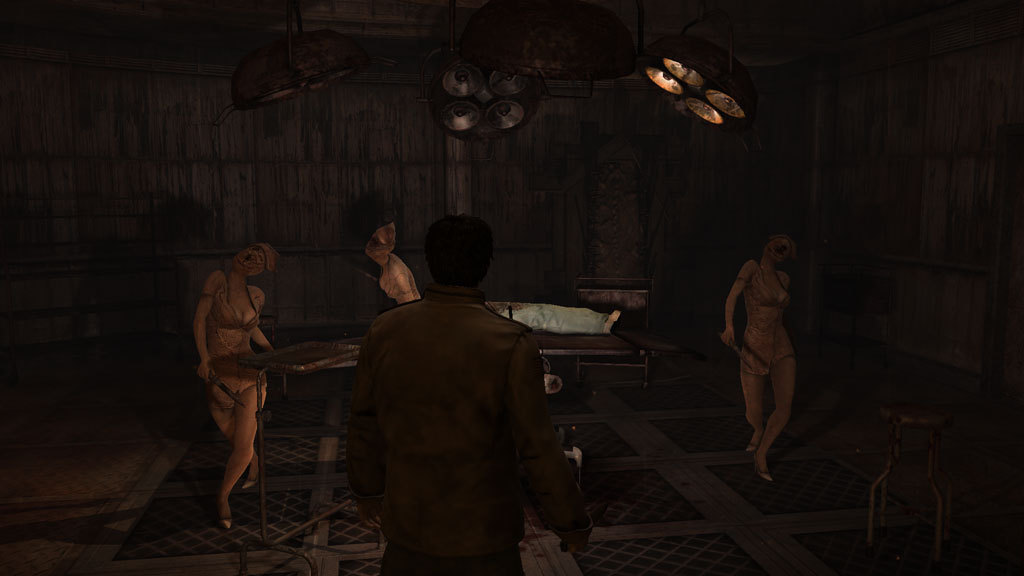
Silent Hill Homecoming
Silent Hill: Homecoming is nearly as old as I was when I first played it in its release year. Back then, the story of this game was bold — a story of church and state providing a cult an alibi for committing atrocities. A story of how children are idolized yet ultimately sacrificed for the so-called greater good of society. Homecoming deconstructs the military complex, too, and its notions of nobility.
All of this is striking for one of the reasons it wasn’t as popular or accepted as other entries to the Silent Hill series. It’s handled chiefly by an American developer, Double Helix Games. Considering this game was developed only seven years after 9/11, the themes may have been hard to take. The game is also only two years divorced from the mediocre reception of the first Silent Hill film adaptation that positioned Silent Hill in the history of Centralia, Pennsylvania.
The themes of Homecoming continue to be relevant as ever today, as families both in the states and abroad are being torn apart for what authoritarians claim is for freedom and the greater good. Now more than ever, we should stay critical of how our media (both popular and journalistic) portrays the greater good and who really benefits from such narratives.
As a lighter aside, lofi aficionados (excluding anyone who listens to gen-AI lofi) should at least check out Homecoming’s soundtrack. Dark lofi would be nothing without Akira Yamaoka’s chill beats woven throughout.
By Phoenix Simms
Recommended read: Out of Reach, Out of Mind
From the author: Please follow and support orgs like BDS Palestinian-led movement, Human Rights Watch, and UBI Works Canada (or any equivalent UBI collective in your area). At home and internationally, we only have each other
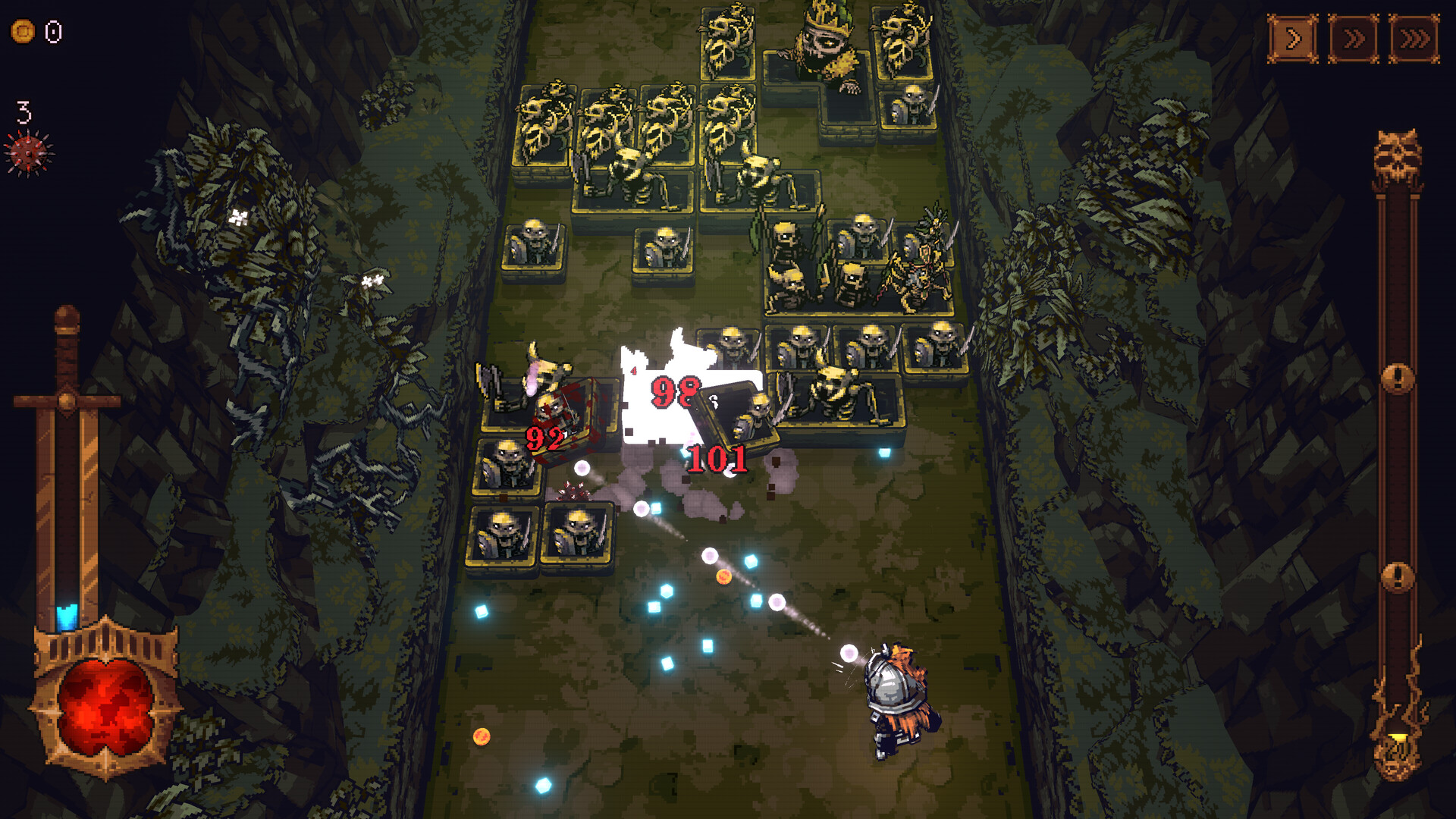
Ball x Pit
My fascination with Ball X Pit isn’t because of the broken combinations of balls or Amos Roddy’s spectacular soundtrack or the base building or the weird wrenches thrown into the gameplay loop. More enlightened players and writers would wax poetic on any one of those, and they’d get closer to the essence of the game.
Instead I obsess over the Rebel, a character introduced midway that can just… play the game for you. A great anti-frustration feature, and maybe one that’s corrosive to my soul. There’s something so smooth, so frictionless about it, and so antithetical to the whole appeal of roguelites. The Rebel turned what felt like a game of skill into a game of patience, a guarantee that if I pressed retry enough times, eventually I’d succeed. But so what? What is being produced by me watching a little guy play the game? Why did I do this to myself? Why couldn’t I just be happy failing to push the ball up the hill?
By Nigel Faustino
Recommended read: Could Studio Ghibli’s Lucasfilm collaboration finally let Star Wars characters… enjoy food??
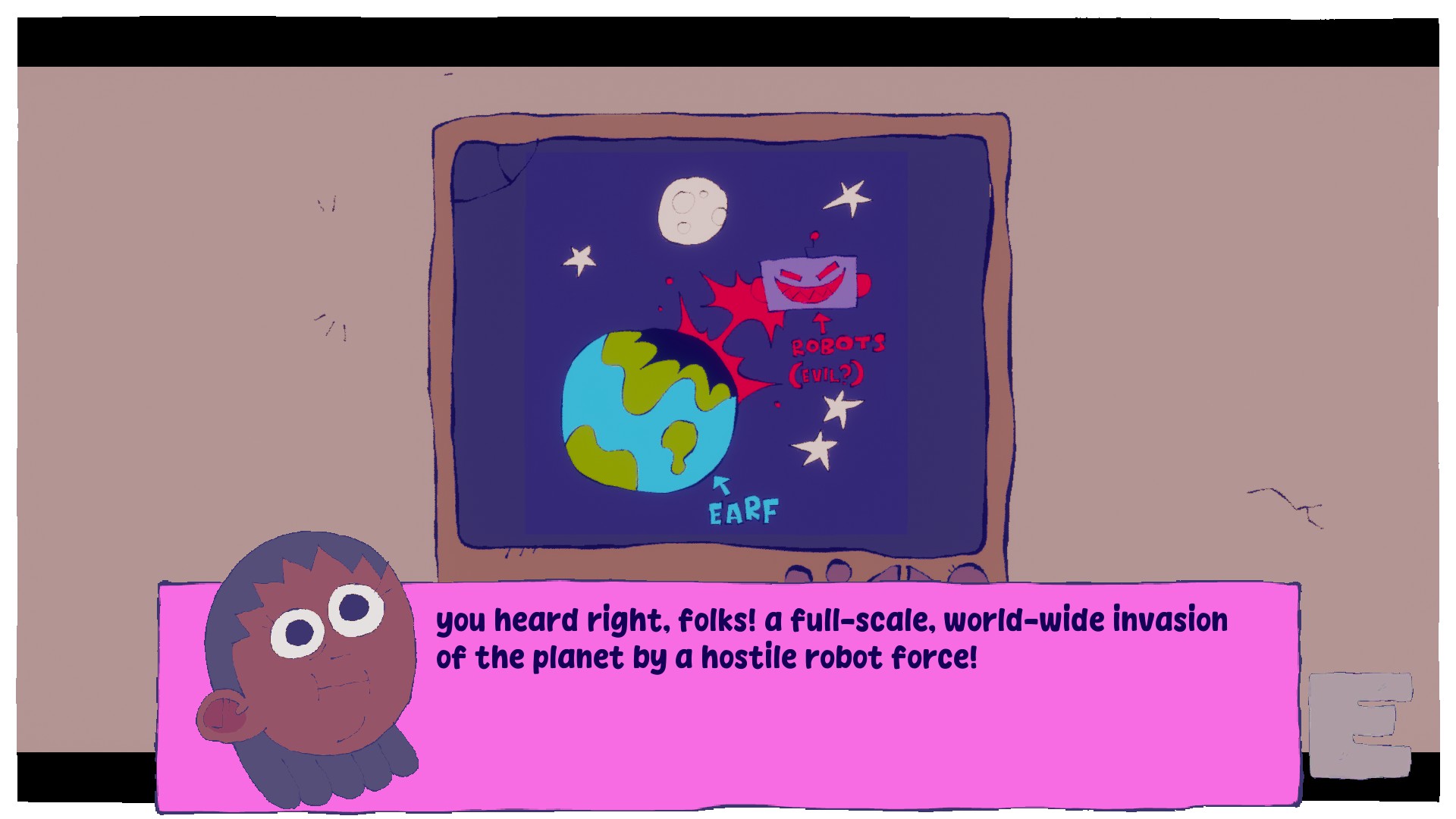
Trying to find a job in the industry that doesn’t rely on AI
The end of 2025 has seen a rapid increase in the use of Generative AI. I think the harm it does to artists is pretty widespread knowledge, but what I wasn’t prepared for was its effects on the writing industry. Hunting for new jobs requires writers to sort through dozens of AI-based jobs to find a handful of writing jobs that are looking for genuine human talent. When you do find these jobs, they often weed out candidates by requiring either five plus years of experience or only hiring students in college for internships. It leaves a large gap in entry-level positions that makes the gaming industry feel more inaccessible than ever.
When I first started looking for work again, this felt earth-shattering. I wondered if I would be able to take on enough work to pay my bills, if I was talented enough to keep going, or if my career would end as suddenly as it began. I ended up taking time off and working in retail, which, thankfully, was the breather I needed to see the hope in the industry.
The gaming industry thrives on human passion and creativity. It is vital to the continuance of everything we love about video games: charming, unique stories, beautiful art, and the ability to fall in love with a new world while taking a break from the stress in ours. These are things that no AI can recreate, and values that the right workplace will emphasize. It will just take a little more effort and patience to find them.
By Krista McCay
Recommended read: Choosing Happiness
From the author: Choose real artists over AI artists
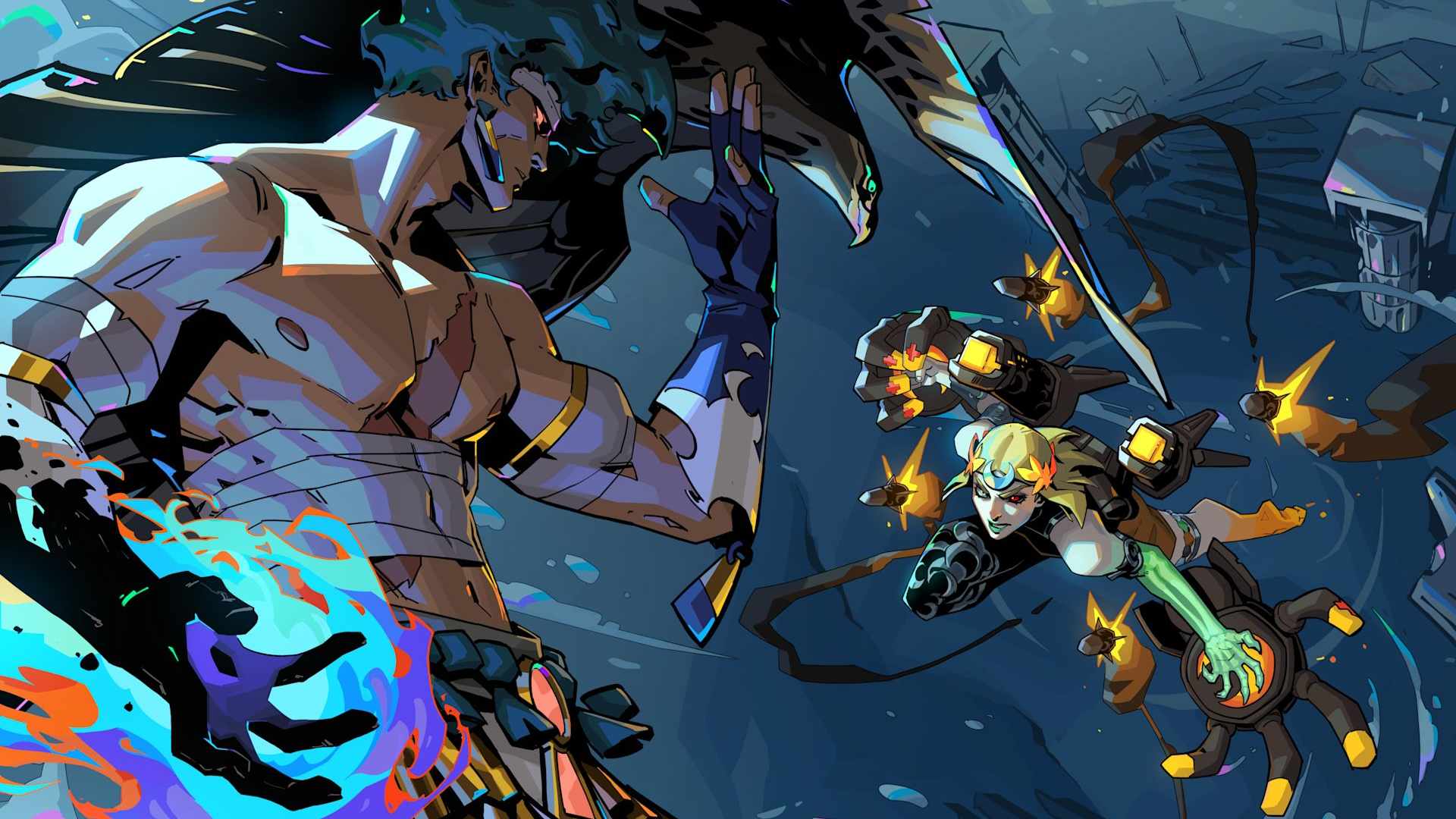
Hades II
Hades II could have been the game of the year, but it was buried under a deluge of great releases, original debuts from indie studios and one-man teams, and unexpected drops. It’s also commonly considered very similar to the first game, aka extremely fun, lore-heavy, witty, paired with beautiful art, VFX, and music. But is being derivative of something good inherently a bad thing? I’d argue this roguelite is worth revisiting time and time again, especially if you were like me and played Hades II during Early Access, back when the Mount Olympus area was still in drafts and all the side characters had placeholder art. After making my rounds through Blue Prince, Clair Obscur: Expedition 33, and Lego Party, not to mention the usual games of League of Legends, what I really want to spend the holidays exploring is the upper echelons of the Hades realms, and finally getting to see the faces of Medea and Athena. It’s really hard to remember to come back to a game after everything in the world does its best to make you forget, but Hades II, especially now on the Nintendo Switch 2, holds a special charm that makes the trip worth it. My pet frog, garden full of deadly herbs, and the ever-snoozing god of sleep Hypnos, are just some of the reasons I can’t put this one down
By Shannon Liao (Bluesky – Twitter)
Recommended read: Hideo Kojima says, ‘People Don’t Understand Me At All’
From the author: Subscribe to my gaming newsletter Updater, I promise to update soon
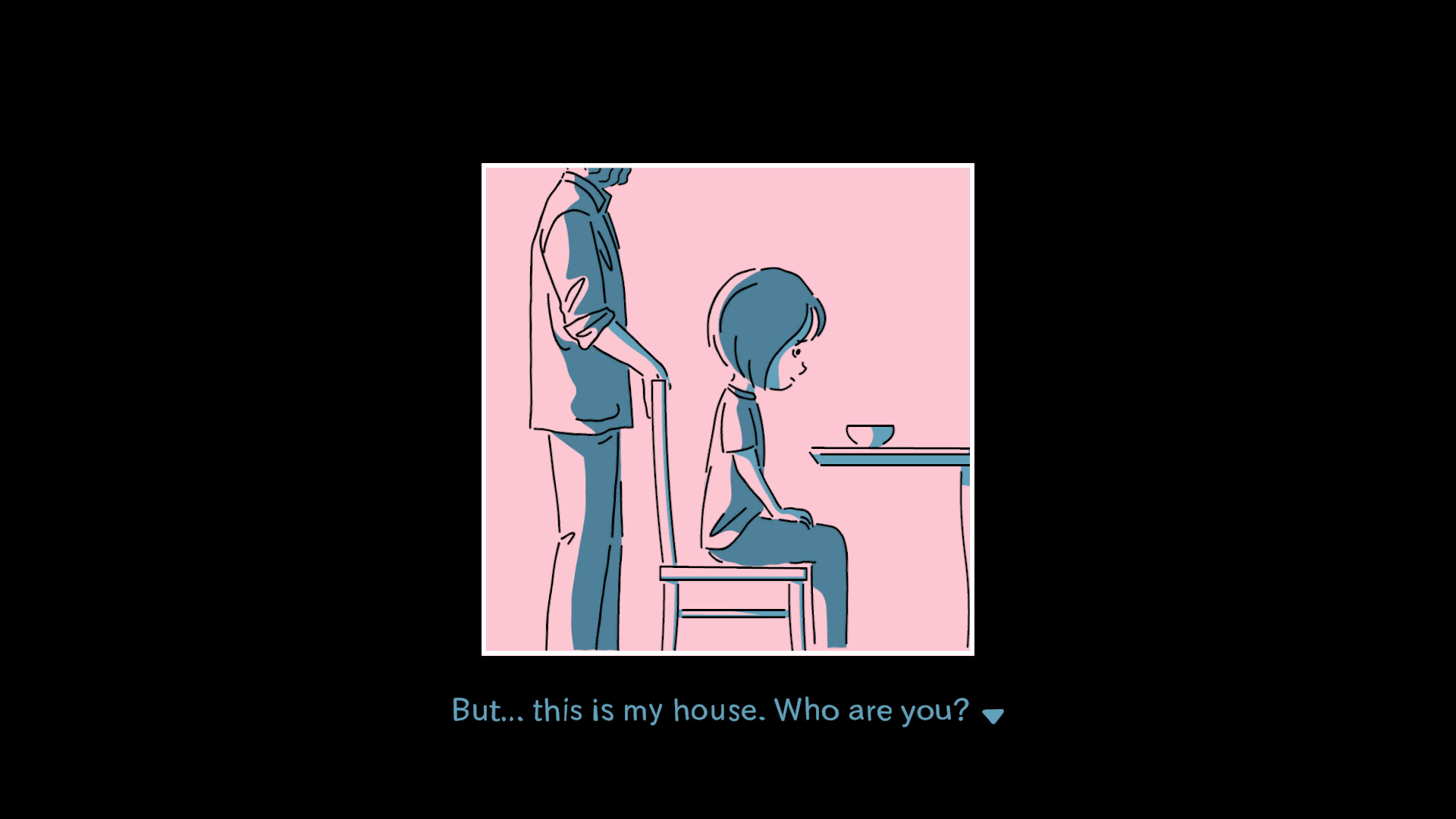
and Roger
I remember the last conversation I ever had with my grandmother. Not the last words we spoke to one another — she is, miraculously, still alive at 101. But with dementia, sometimes there’s a last conversation. One summer, I travelled to Massachusetts to see my family and asked if we could stop by to visit my nonnie. I hadn’t seen her in a year or two; the last time I had, she still knew my name and that I was her grandson, even if it took some gentle reminding. My mother warned me that her situation had changed since then. Just be prepared. I sat with her on the porch for an hour while my mother, relieved of duty, went to get groceries. She asked me questions, repeating the same ones a few times. We laughed and smiled, just like we always had.
“It’s nice that they let you out of prison for the day,” she remarked suddenly, motioning to a beautiful home in her suburban backyard as she began to monologue about all of the people locked up in that dirty jail.
I have spoken to my grandmother since. She has even said a few words back at me from the lunch table of her memory care unit, full of medical professionals who know how to communicate with her. But we no longer speak the same language. We don’t have conversations anymore.
By Giovanni Colantonio
Recommended read: Lost Records: Bloom and Rage review: punk rock never dies

The Sense of an Ending (The Waiter)
“Happy or sad endings are not guaranteed, but there will be endings nonetheless.”
Kwan Ann Tan’s The Waiter is a work of interactive fiction in book form. It is a story about identity — an amnesiac protagonist has to decide what jobs to take up and how to go about them. In doing so, they discover regret, purpose, connection.
Each decision tips me towards one of 11 endings. As I dive in, my years of playing video games take over. I indulge the completionist in me. I want to see all the endings, consume all the content.
Each path traces its own story, leads to a new idea, a new shape. With each choice I make, I am defining this story and this character’s identity. Their joy is mine; my regret is theirs. And realising this, I start to second-guess myself.
What is the point of player agency if the entire map of destinies is unfurled? Is an ending diminished if all endings are known? Is there value in preserving the unknown, that which is still to be written?
So I resist the urge to see everything, to check everything off that checklist. I want the potency of not knowing, the tang of regret — I want the choices still to matter.
I think there is power in not finishing the book.
So here, the seventh ending that I discover, this is the one. I’m not sure it’s the ending I wanted, but it is
the ending I choose — an ending nonetheless.
By Daryl Li (Bluesky, Instagram, Twitter)
Recommended read: Minor Illusions
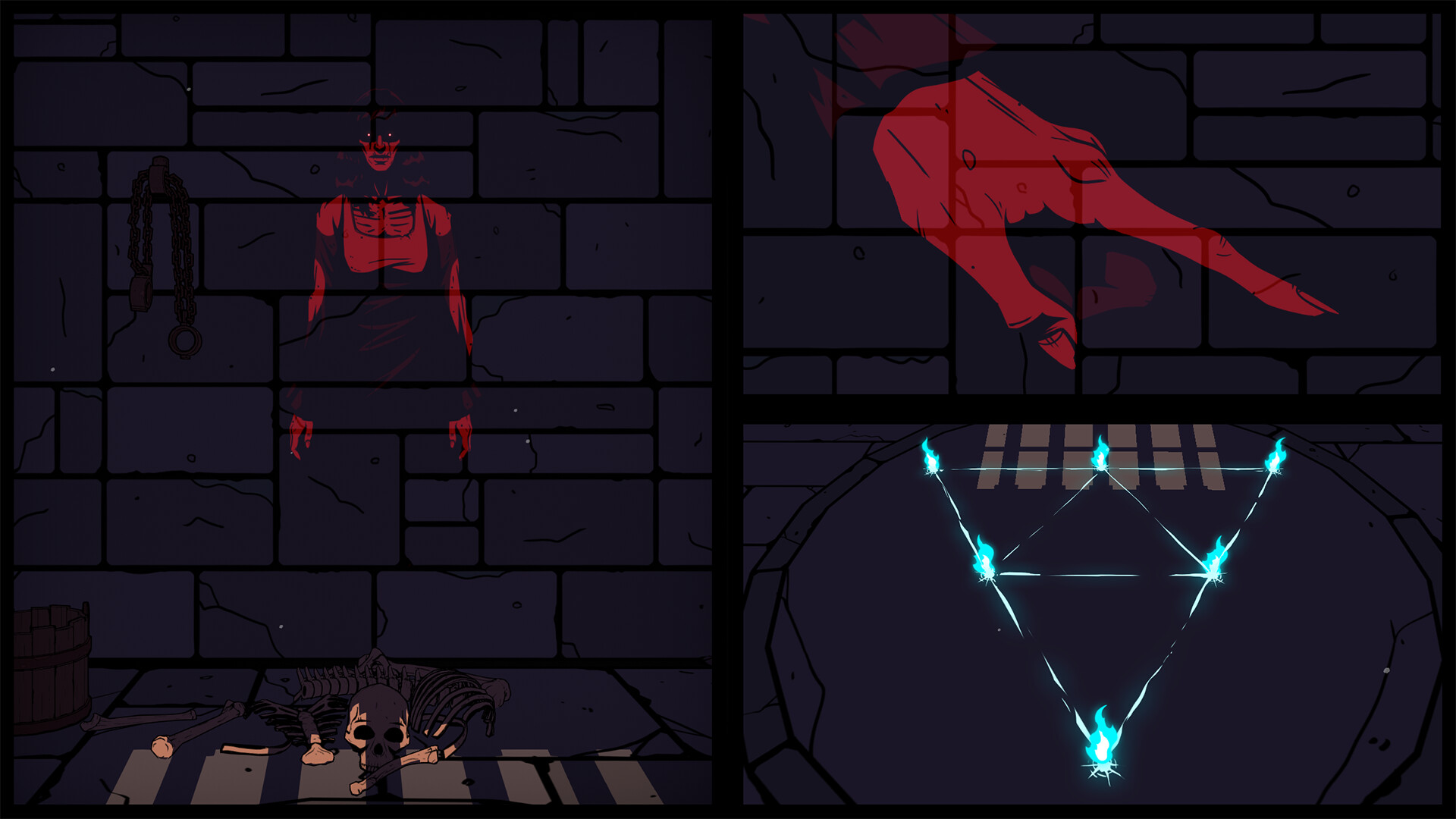
The Séance of Blake Manor
It’s trite to say the best pieces of art have something new to teach you about yourself. But in its fifteen-hour runtime, The Séance of Blake Manor fulfilled that promise more literally than I could have guessed. Blake Manor is a competent mystery game that is character-focused, meaning you gain information from speaking to over a dozen guests at a mystic séance in rural Ireland in order to solve a murder. Each character has a mystery of their own, from their father’s name, lost to colonial displacement, to paranoid visions caused by faerie intervention. Like last year’s Misericorde Volume Two: White Wool & Snow, it incorporates magic into the mystery as a genuine element rather than a red herring.
Apart from this, however, it’s a story about how Ireland was affected by British colonialism in the late 1800s and how epigenetic trauma, guilt, and racism can linger as surely as any ghost. The game includes a library where I learned about the Milanesians, the early Irish, and the legend of their fight with the gods and the establishment of the fae underworld, alongside a summary of the Hunger of 1847, the reason some of my family immigrated to the United States. Playing Blake Manor inspired me to try learning Gaelic (ok, let’s be real, to download Mango on my phone) and speak to my parents about the family letters they have in a suitcase in the garage. More than just a Halloween game, Blake Manor is a slice of Irish history that discusses colonial violence with mysticism and humor.
By Dr. Emily Price
Recommended read: Videogames Are Mainstream. What Will Make Them Feel Like It?
From the author: Free Palestine! Donation link to Thamra, a food security organization in Gaza

Mad Men
The thing about peak TV is that oftentimes it’s hard to go back to it once it’s done. Mad Men has a certain reputation, and if it doesn’t live up to it, well, you just had to be there, I guess. But there is something very prescient about the show I finally watched and finished in 2025. When so much is happening, and some say that so much of America is regressing, I saw in Mad Men a little of how we got here. How time moves forward and culture progresses, but people don’t. Specifically, people like Don Draper — and Betty, and Pete, and Roger — don’t. You see throughout Mad Men time moving forward, but people are fossilizing in real time. They change their style, their homes, but they don’t change their core. In Mad Men, time is the most important character, and it’s like a train that never stops. But the people in Mad Men would sooner jump off than see the journey through. What a show. What a ride.
By Matt Kim
Recommended read: The Fall and Rise of Capcom
From the author: I’m open to work! (Portfolio)
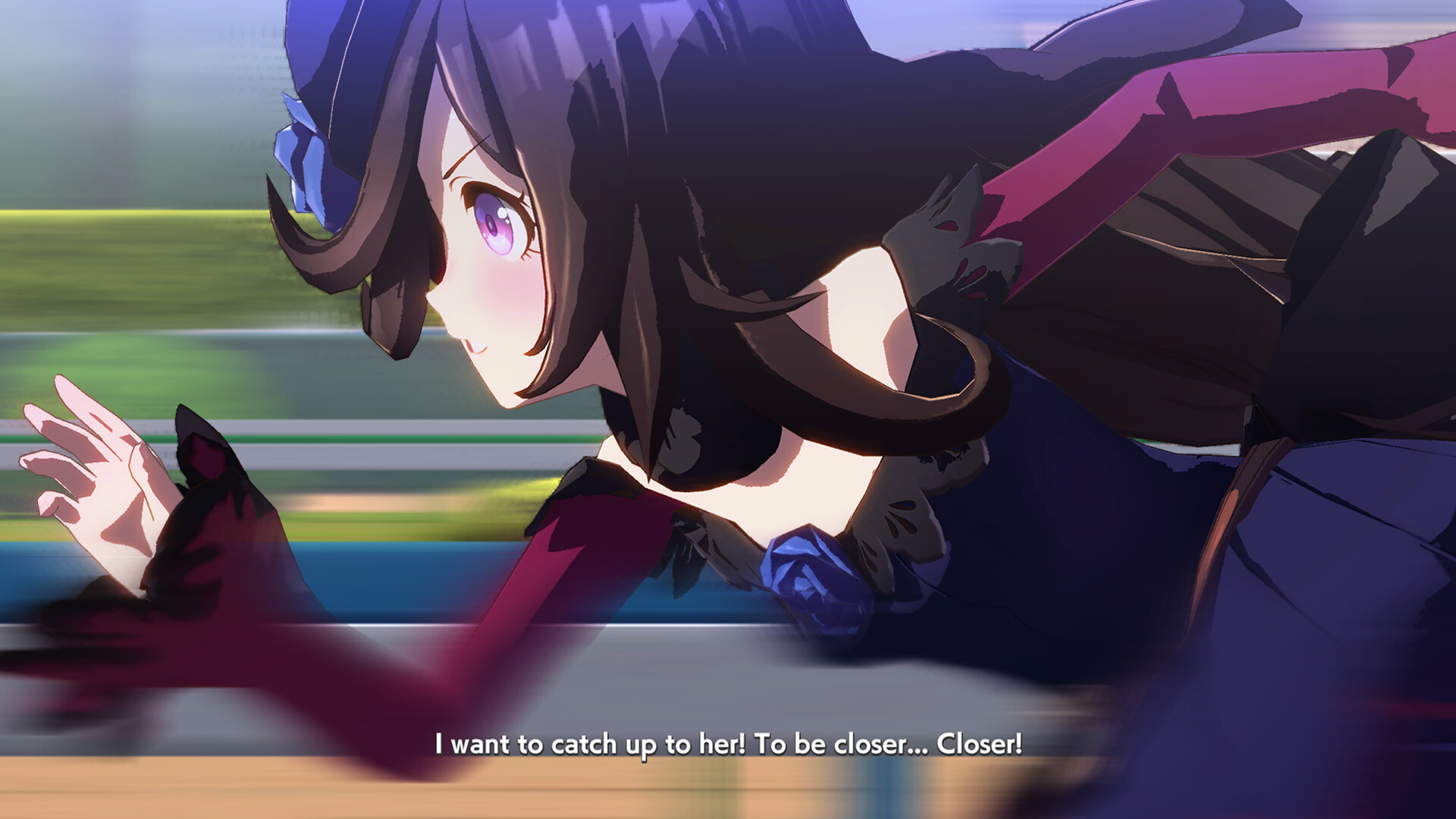
Umamusume: Pretty Derby
sunrays slither through the clouds, dark circles congregate beneath my eyes, and i still love my gay daughter, a horse girl cursed with low self-esteem and suboptimal stats. in addition to juggling simultaneous careers as a runner and pop idol, she remains utterly devoted to chasing after her rival, a cyborg horse girl who wears a necktie. for my daughter, every race is an uphill one. as her trainer-mother, my love for her is unconditional; when she loses, i apologize to her on behalf of the random number generation that, acting upon vicious whims, attempts to bludgeon us into submission. the only problem is that she needs cold hard cash to live.
what my daughter doesn’t know is that, for the duration of my trainer-motherhood, i’ve been experiencing grief in a way i never have before. unfortunately, my depression causes me to release pheromones that attract some of the most bloodthirsty behavioral engineers on the planet. it’s just like that now — pop-up ads spring from your monitor and threaten to matchmake you with virtual women who insist they aren’t your girlfriend. your friend tells you about how, during a road trip, he saw a billboard advertising a strip club with an anime girl on it; later, you scroll through threads about chatbot-induced psychosis. they say some people fall into the uncanny valley and never come back.
so i have no illusions about the fact that my half-horse half-human lesbian daughter lives on a server that could be shut off at any moment. nothing truly lasts forever. but i train her anyway, because, like her, i desperately want to believe a girl can change. like her, i have a longing that compels me to stay alive.
By pao yumol (Bluesky / Twitter / goose pimple)
Recommended read: my friend, the highway
From the author: forever grateful for the girls that saved my life

Games Media Erosion
I’m bored to tears talking about the decline of games media. There’s such a tidal force pushing up against what we do. Our collective demise is being served up in front of us by influencers, YouTubers, and even the poster boy for video games, Geoff Keighley. They seem to relish it in it, actually. I want to take this moment, instead, to talk about how we have a responsibility to each other to be bolder, braver, and better. Corporate media broke my heart again multiple times this year. Lucy holding the football shit. Shame on me for being surprised, I guess.
What’s even more shocking is that independent games media let me down a bit. I firmly lump myself in with that disappointment as someone who wasn’t nearly loud enough about the BDS Movement’s ongoing struggle to get the games industry to care about Microsoft’s horrifying role in surveilling and, therefore, dooming the lives of countless Palestinians in Gaza. I didn’t spend nearly enough time preparing a good media critic’s answer to how we navigate the thickening bramble of generative AI in modern game development. We’re flat-footed, somehow again, in the face of targeted harassment campaigns vomited toward our colleagues. I am guilty, but so are many of us!
If you produced fearless, untouchable journalism and criticism this year, thank you. I noticed. Alyssa Mercante’s reporting on The Game Awards’ inert Future Class might have gotten her blackballed from attending the awards ceremony, but it also made it so much easier for me and others to be louder about the emptiness of Geoff Keighley’s personal vision for us. Chris Bratt and his colleagues at People Make Games shifted my thinking about the intersection of coverage and moral responsibility by being adults who take this shit as seriously as you possibly can. Many of you wrote something or said something into a microphone this year that gave me profound hope in the face of my disappointments. I’m tired of talking about the decline of games media because I refuse to believe, at the festering core of the argument, that it is true.
We do not have to accept our decline, but we do have to become essential for our audience. If you work in corporate media, use your budget to hire that barely published writer who took your breath away with a blog post. Access your sizable platform to be a force for good. If you work in independent media, take bigger swings because you have less to lose. Be unafraid to lose your day one game codes by writing honest criticism. Your thoughts on the latest and greatest are more interesting once you’re out of the shadow of draconian embargo rules, anyway. We have such strength. I’ve seen it every year I’ve been on this side of things. Next year can be great. I accept the call and I hope you will, too.
By John Warren (Bluesky – VGBees)
Recommended read: I’m Great At Baby Steps Because I Walk Like That In Real Life
From the author: “The earth is mostly just a boneyard. But pretty in the sunlight.” ― Larry McMurtry
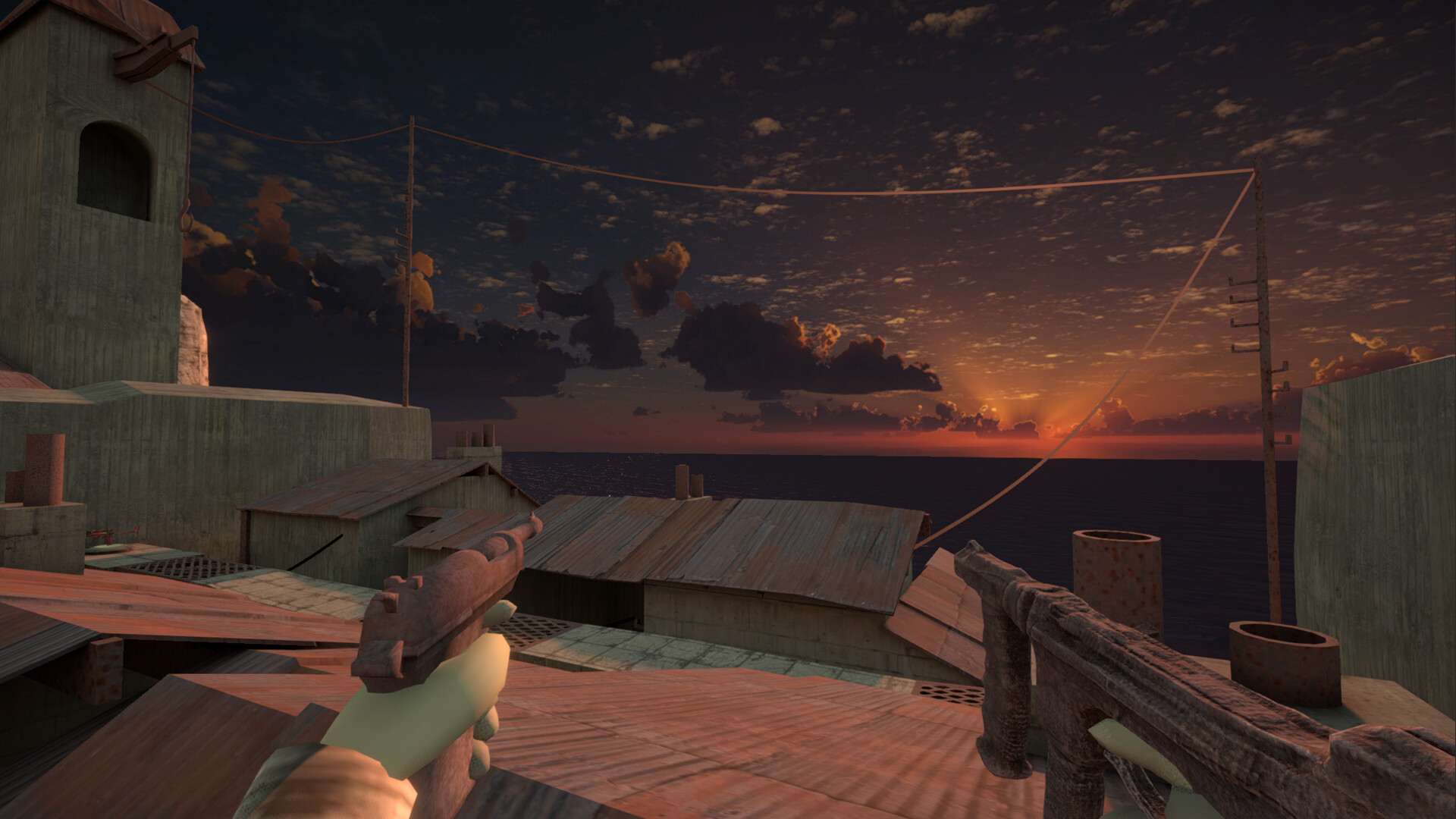
STRAFTAT
STRAFTAT is an arena shooter for two players (and more since a recent update) played in short rounds. A death, and the map resets. Two wins, and off to a new map you go. This rhythm sets the game as a fast, tense experience. Its retro style and brutalist beauty add a layer of grime. What about the fun? It comes from a variety of maps, which will turn the game into a parkour race, a sniper duel, an epic swordfight. Randomly drawn, featuring a wide cast of weapons and decor, they’re a pleasure to shoot, run, slide, duck in.
And here’s the goodie: like some of the shooters of old upon which it builds, STRAFTAT is freeware.
By Lucas Vially
Recommended watch: Insert Coin to Continue
STRAFTAT should be the biggest game in the world. Every time someone says they’re sick of modern live service shooters, sick of the battle pass grind and battle royale extraction loops, they should be playing STRAFTAT. It is the game for people who long for fucking around on Half-Life Deathmatch servers and Halo lobbies. It is a free, French brutalist arena shooter with five hundred maps, a constant soundtrack of drum-and-bass bangers, and guns with names like “Tromblonj”, “Mortini,” and “Oklahoma”. There are two paid map packs, and each gives your guy a new kind of cigarette to smoke.
STRAFTAT launched last year as a pure 1v1 skill check, but it became our game this year because of the addition of a 4-player free-for-all alternative to that core dual foundation. Suddenly you’re not just in a make-or-break, head-to-head contest of skill. You’re fucking around with friends, hitting playlists of maps that balance perfectly the gap between intensely competitive aim / movement battles and, like, WarioWare. STRAFTAT’s brilliance is that every single map has a Bit, a gimmick that you have a few short minutes apiece to both figure out and master – whether that’s navigating a maze of doors with grenades, sliding down an icy hill while pipes barf guns at you, or figuring out how to use the knockback on pistols to fly to a hidden superweapon.
It’s the most fun I’ve had playing a shooter in years! That first run at racing to figure out a map before your friends do, the return trips of mastering a stage and figuring out their secrets and movement tricks, it’s an experience that spans the breadth of experience from Team Fortress 2 joke maps to Quake 3 tournaments. It is the shooter everyone tells me they want, and it’s far past time you all get in on this.
By Nat Clayton
Recommended read (and game to keep an eye on): We’re making a videogame!
From the author: free palestine, reinstate the fired rockstar workers, drink a glass of water
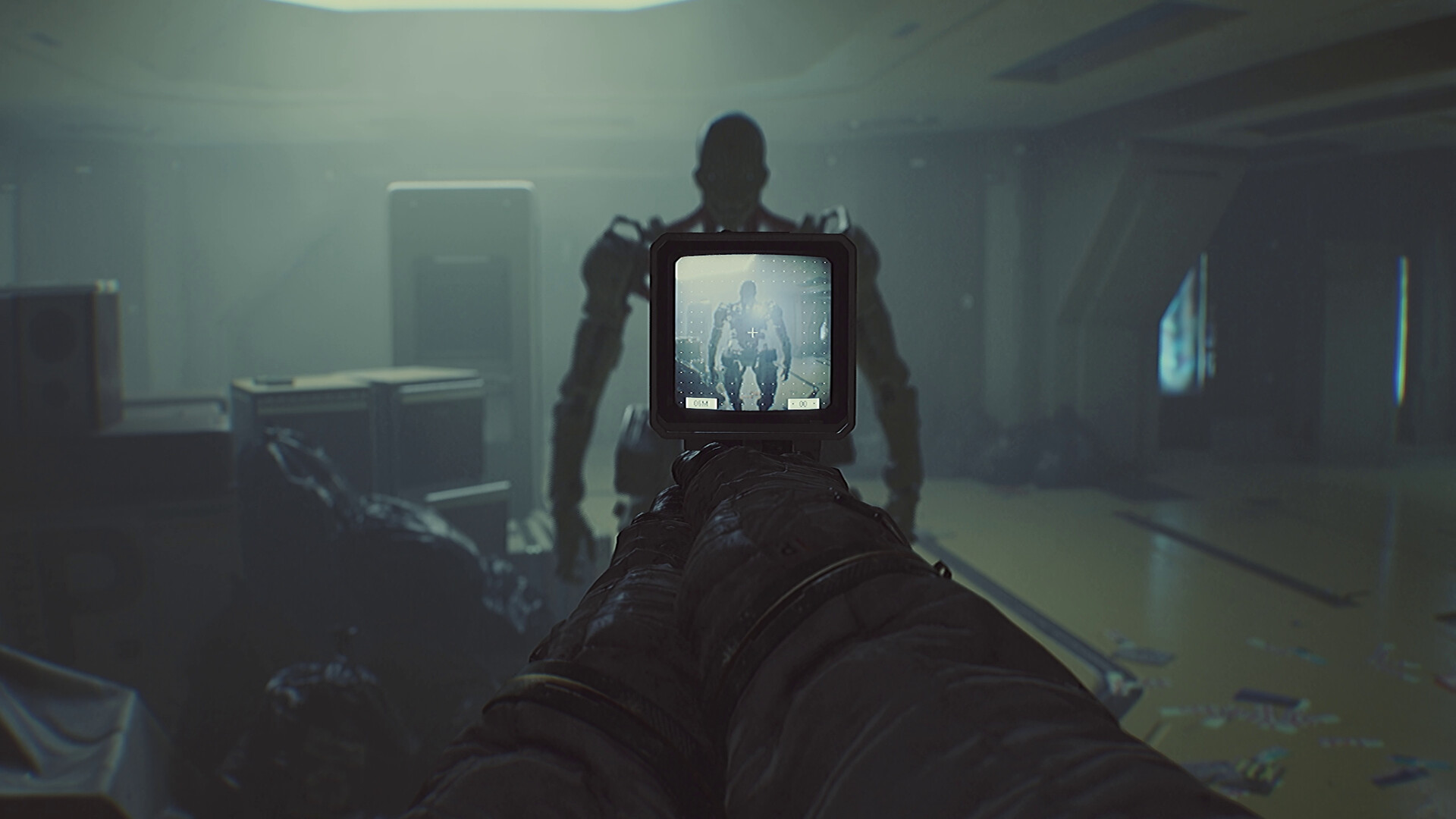
ROUTINE
Ahead of its time and behind all at once. Simple, sharp, and unrelenting. Terrifying, predictable, and unpredictable when it was important. This is what it is like to play Routine by Lunar Software. If you’re bored, you’re not paying attention.
By David Carcasole
Recommended read: Fuck “Content”
From the author: GenAI fucking sucks and if you think it’s the future of art then you’re dead inside. Support real artists, join a union, and get involved in your community. The world is in your hands, not in a computer/phone/tablet screen
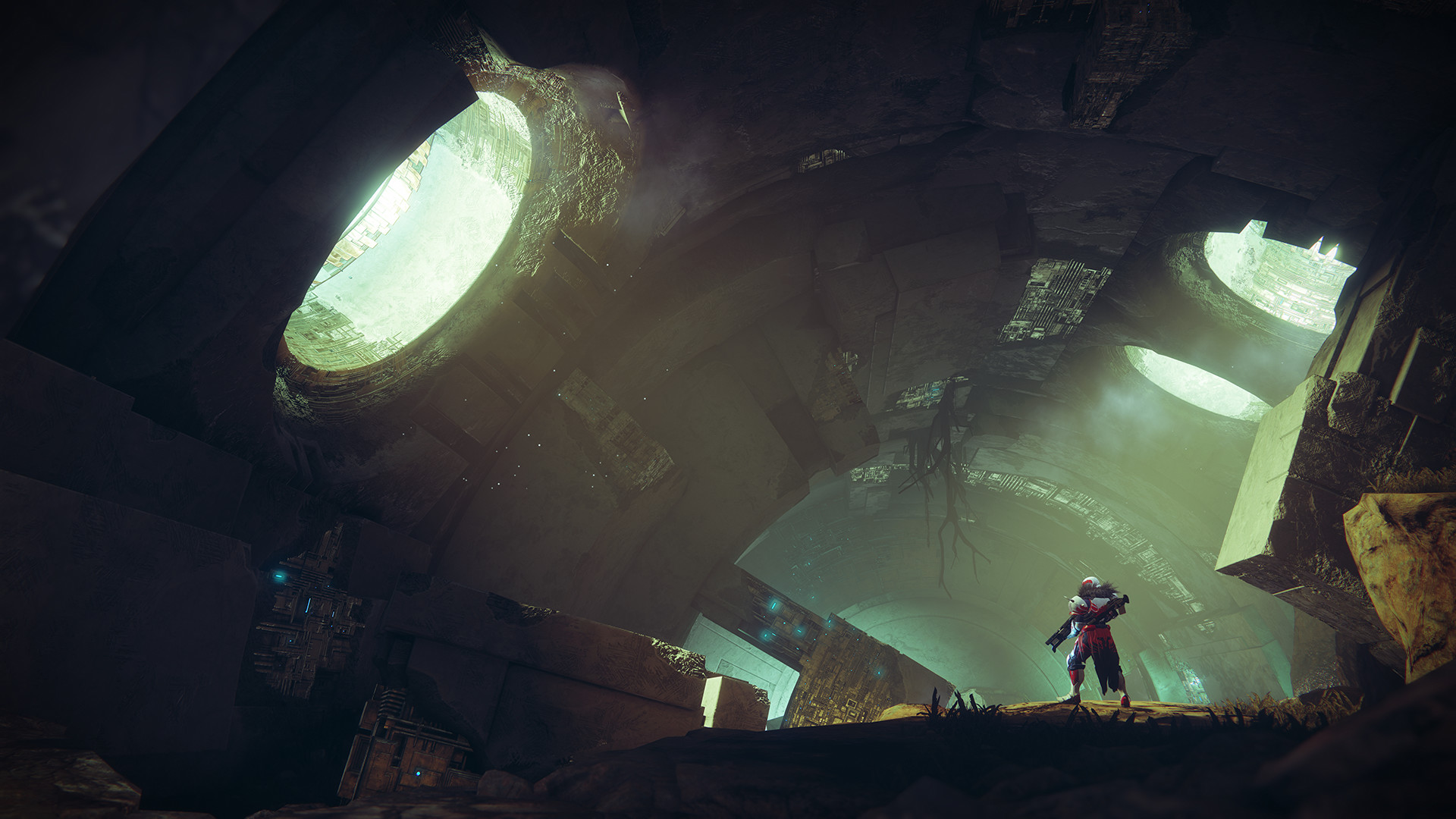
Destiny 2
I’ve said before in a round-up not unlike this that Destiny 2 is a game that feels at war with itself. Not just between multiplayer and single player but between storytelling and commerce (not uncommon for art, but at the same time, movie blockbusters don’t have micro-transactions). And now Destiny 2 wrestles with itself in other ways, with how to evolve beyond its seasonal model of yearly storytelling, between its usual rhythm of expansions, and executive interference at Bungie, whether that’s through rounds of layoffs or whatever may happen.
For some reason, I’m still playing: last year’s expansion The Final Shape held the kind of communal elation that got me into the game in the first place. There are still kernels of brilliance which emerged from the most recent expansions. The raids are as dependably spectacular as ever, there’s some killer story reveals in The Edge of Fate, the Star Wars-themed Renegades leans hard on the game’s incredibly robust combination of gunplay and space magic.
But perhaps there’s a ceiling on those creative highs: live service is perhaps video games at their most transparently transactional: you have to constantly buy in, they have to constantly keep you on the hook. But at the same time, as often as bad decision making has pushed me away as a player, there’s a gravitational pull to the social experiences of Destiny, of its lore writing, and of its art teams that’ll have me bought in (in more ways than one, I suppose) for some time yet.
By Kambole Campbell
Recommended read: re-frame, an animation newsletter (co-run with Rollin Bishop and Toussaint Egan)
From the author: Probably a little bit about how creatives in the aforementioned game are toughing it out through an exec-fuelled staff-apocalypse, and this would spiral out into how games and animation are suffering under rich men trying to get a few more bucks out of cheap labour (apologies for the British “ou”)
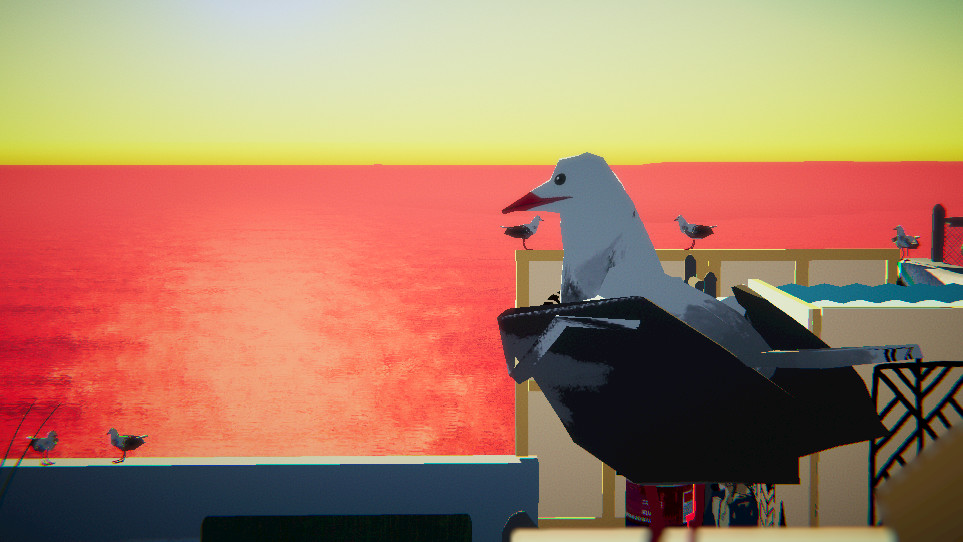
The Joys of IGF Judging
I’ve been doing Independent Games Festival (IGF) judging (and occasional Narrative Jurying) for a few years now, and it’s one of my favourite times of year. Once selected, an IGF judge gets access to the database of games in November – this year, it was about 750 submissions – and after judging the games randomly assigned to them, they’re allowed to run wild on the rest of the list. You might think that people just jump on the big games, like Blue Prince or Clair Obscur: Expedition 33, but what ends up happening instead is that folks will start championing the smaller, less-visible games.
As an experienced judge, you know to look out for the games with not a lot of votes, but a lot of comments, because that’s where you’ll find a bunch of developers and critics begging people to give this one a try. This year, that’s how I discovered Astro Prospector, Sultan’s Game, Dogpile, and The King Is Watching, all of which are amazing, weird, delightful indies that you should check out. Last year, I discovered Blue Prince through IGF judging, and went on a 6-month saga of telling everyone to play it. Before that, in 2022, it was Card Shark, Roadwarden, and Closed Hands; before that, it was Umurangi Generation and Say No! More; and before that, it was Elsinore and Hardland. All of these games are now award-winners or personal favourites, and it’s all because of those who are able to give up a few hours a year to help find the gems that get overlooked by other award shows. It’s basically my cheat code to seeming more well-played than I actually am.
IGF is what I wish the industry could be: a collaborative space that’s all about discovering and sharing. There’s a lot of greed in game development right now, but at the heart of it all is a bunch of passionate and creative people who love making things, playing things, and talking about them.
By Kate Gray
Recommended read: Back Page: I Was The Louvre Heist Thief, But I Was Just Trying To Steal Their 3DSes
From the author:
I can’t convince companies, but maybe I can convince you, dear reader: it’s not too late to ditch AI. Relying on its convenient, friendly, and to-the-point answers in a world where search engines are getting worse on purpose is completely understandable. I get it. I feel the pull of its siren call, especially when Google continues to shit the bed with awful, low-quality search results. But the price is steep. You already know that it’s terrible for the environment, thanks to the electricity drain and the clean water it requires for cooling. You know that it’s content to fabricate and lie to appease its users. But most importantly to me, it drains you of creative energy and the will to try hard things. I don’t say this to patronise you. I hate doing hard things. It makes my brain ache, like it’s a muscle I’ve not used properly in too long. But I need to be able to force myself to try imagining something, instead of relying on the imagination machine to do it for me. As creatives, we have to want better for ourselves, even if the work isn’t as polished. Flawed work is human. We need to hold on to that. It’s everything.

Despelote
“Creo que me gustaría acordarme un poco mejor de ese momento.
Y creo que por eso Julián tiene ocho años en vez de cuatro en esta versión de la historia.”
A lot of Latin American art deals with memory. We treat it as a liquid that could slip through our fingers at any time — blame the 70s military dictatorships. despelote is a beautiful watercolor made by mixing that liquid with some endearing artistic direction.
From the beginning, it felt like being transported inside one of the VHS home videos we still keep at my house. I’m from Chile, not Ecuador, but the same Cordillera de los Andes dominates the landscape, and I, too, when I was 9, experienced an unprecedented period of victories by Chile’s national fútbol team that forever marked that period of my childhood.
Everything feels so familiar in a way I’ve never experienced in a game, and I ended up playing the entire thing with teary eyes, just from the feeling of I’ve lived this. This could be the streets where I grew up.
If everything goes according to plan, next year I’ll be leaving my country. Luckily, despelote will always remind me how it feels to be at home, and how heartbreaking it is to leave it behind.
By Tomás Neumann Aspee (Bluesky – Medium)
Recommended read: The Weight of Expectations
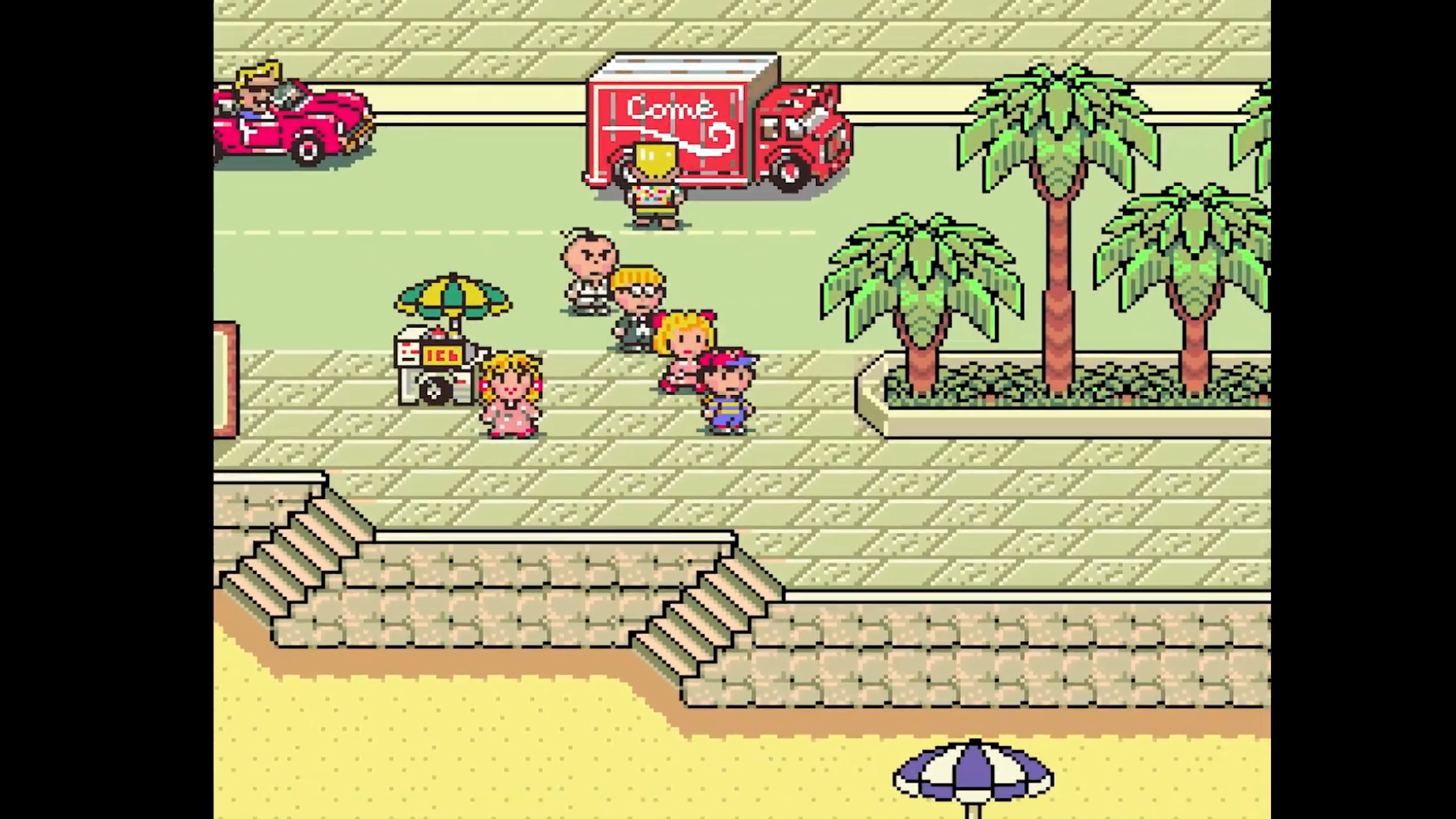
EarthBound
There will always be more games I haven’t played than I have, and for the longest time in my life, EarthBound regrettably fell under the former. Something about 2025, maybe its seemingly endless capacity for cruelty, motivated me to finally pick it up though. Or maybe it was watching the games industry continue to cede more ground to AI and its slop. Maybe I needed a reminder of the great lengths human creativity and compassion could go. Regardless of what I wanted out of EarthBound, I got so much more than I could’ve imagined.
The adventures of Ness and his friends have been written about at large for the past three decades, so you don’t need my recap after all these years. You know its highs, its lows, its impressive and constantly surprising turns, its freakish scares, and its immense heart. So instead let me just say this: Oh, to be a kid again. Or even just to see this wide, diverse, ugly, and yet still beautiful world through the eyes of one, a feat that Mother’s creator Shigesato Itoi seems exceptionally capable of. Oh, to be so in love with and enraptured by it, its people, and their foibles — their quirks, their flaws, and, of course, their clever witticisms — to capture humanity’s capacity for wonders both big and small. Oh, to hold this all so close you can’t help but make something as bemusing, warm, and tender as EarthBound to reflect our beauty.
By Moises Taveras
Recommended read: Despelote review: miraculous slice-of-life soccer game pulls a hat trick
From the author: As always, fuck ICE
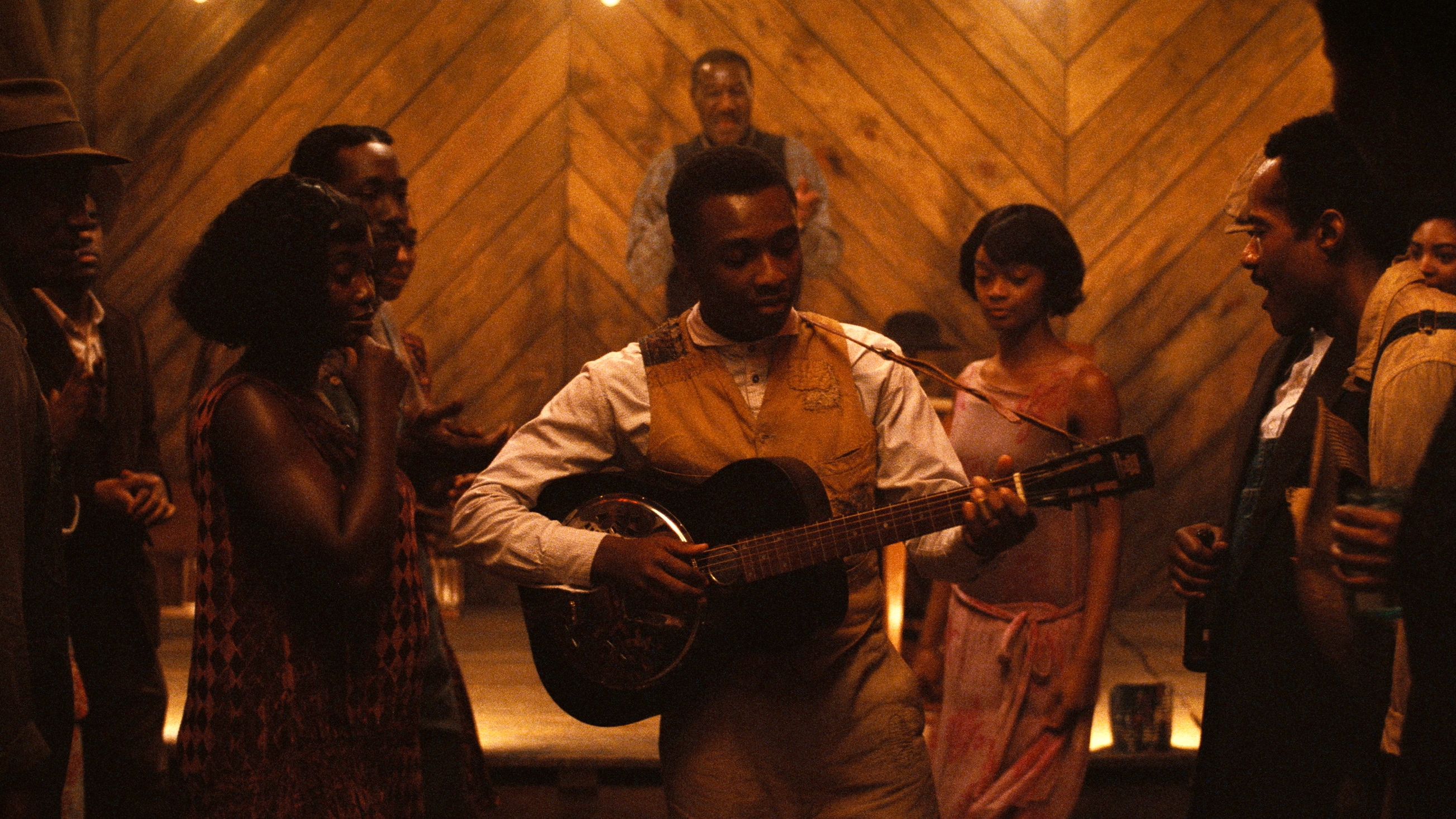
Sinners
Freedom is elusive. In this world, it requires massive amounts of power to take because it often must be took. Even more power is needed to hold it because people are always looking to take. Smoke and Stack understand that. The twins traveled everywhere from the streets of Chicago to the trenches in Germany, but still came home to Klan-filled Mississippi. They learned that the places that promise freedom mostly give you crumbs compared to the real shit. Always less than what you deserve — especially if you’re Black, often because you’re Black. It’s why the twins try to make their own juke joint with blood money and a dream, no different from the people who try to start their own companies or buy their own houses.
Everyone wants the real shit and will do some sinnin’ for it. Smoke will shoot a man in the ass, leg, and head. Stack will fill that man’s ears with lies and a sweet deal. Samuel will play the blues in a house of sin against his Father’s wishes. Pearline will be tasted by another man besides her husband. Delta Slim will drink, then drink some more. You have something you’d do to fly, too. We’d all do something dangerous, stupid, or a little unholy, despite knowing damn well freedom could flee at the slightest misstep, the smallest stroke of bad luck, or the angry white man whose eyes you caught. Everyone will do a little of anything for freedom because there’s no better feeling. When freedom takes you into its arms, even just for a night, there’ll never be a higher power for the rest of your life.
And if you don’t know that already, watch Sinners. Listen to the blues. You’ll understand soon enough.
By Wallace Truesdale (Bluesky – Website – YouTube channel)
Recommended read: The Act of Hatching
From the author: I’d like to shout out the Trans Journalists Association for its work on promoting accurate coverage on trans rights, as well as the employees who were victims of unprecedented alleged union busting by Grand Theft Auto developer Rockstar Games
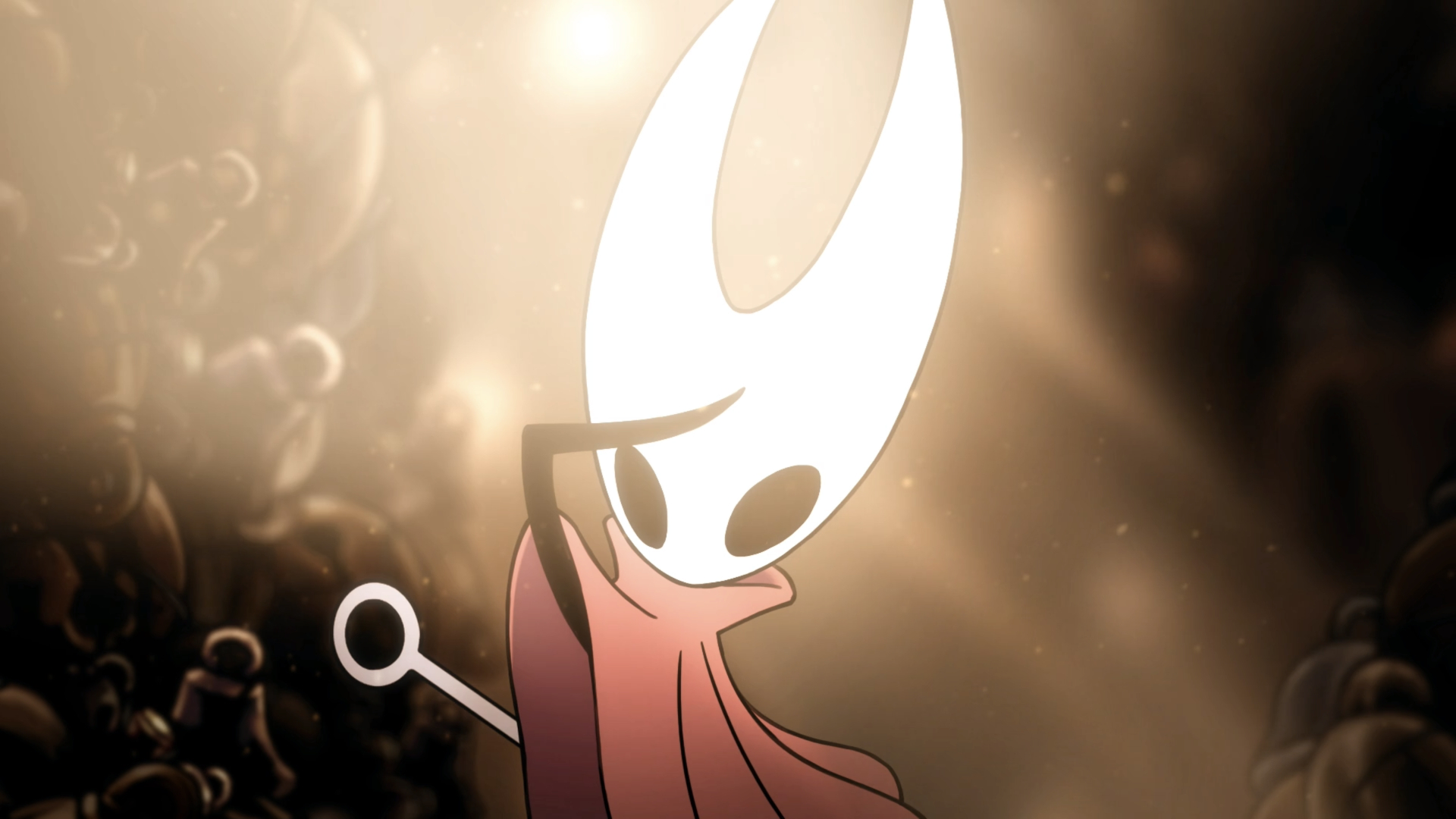
Hollow Knight: Silksong
Is there such a thing as necessary sacrifice?
Throughout Act 1 of Hollow Knight: Silksong, you think you know the answer. From the beginning, your goal is clear: to reach the Citadel that sits at the top of the world, and find the answers that you seek. It will not be an easy journey, of course. Everything has a cost, but your pockets are always empty. The world itself seems determined to grind you into dust. You watch pilgrims die on the journey, their claws grasping at empty air. Still, you grit your teeth and you climb and you climb, until finally you reach the holy city, a place so bright and clean that it hurts your eyes, where all hardships lead to absolution.
You get just a few moments to bask in this light before you’re plunged into the pitch-dark Underworks that lie just beneath the surface. Here, worker bugs toil away in the dust for meagre pay, dreaming endlessly of the land up above, their broken backs the only things keeping the Citadel from crumbling. In the Underworks, 15 rosaries earn you the right to rest for a few moments; the average worker carries two.
These bugs remain steadfast in the belief that if they simply work hard enough, they will one day earn the right to walk in the sun, to drink from the fountains, to breathe in the clean air. In the end, all sacrifice is deemed necessary when it’s in service of the systems that govern our lives. You want to fling open the doors, to free the poor workers from their miserable cages, but it’s not so easy to free someone who’s been told their whole life that even sunlight must be earned.
By Bonnie Qu
Recommended read: The Last
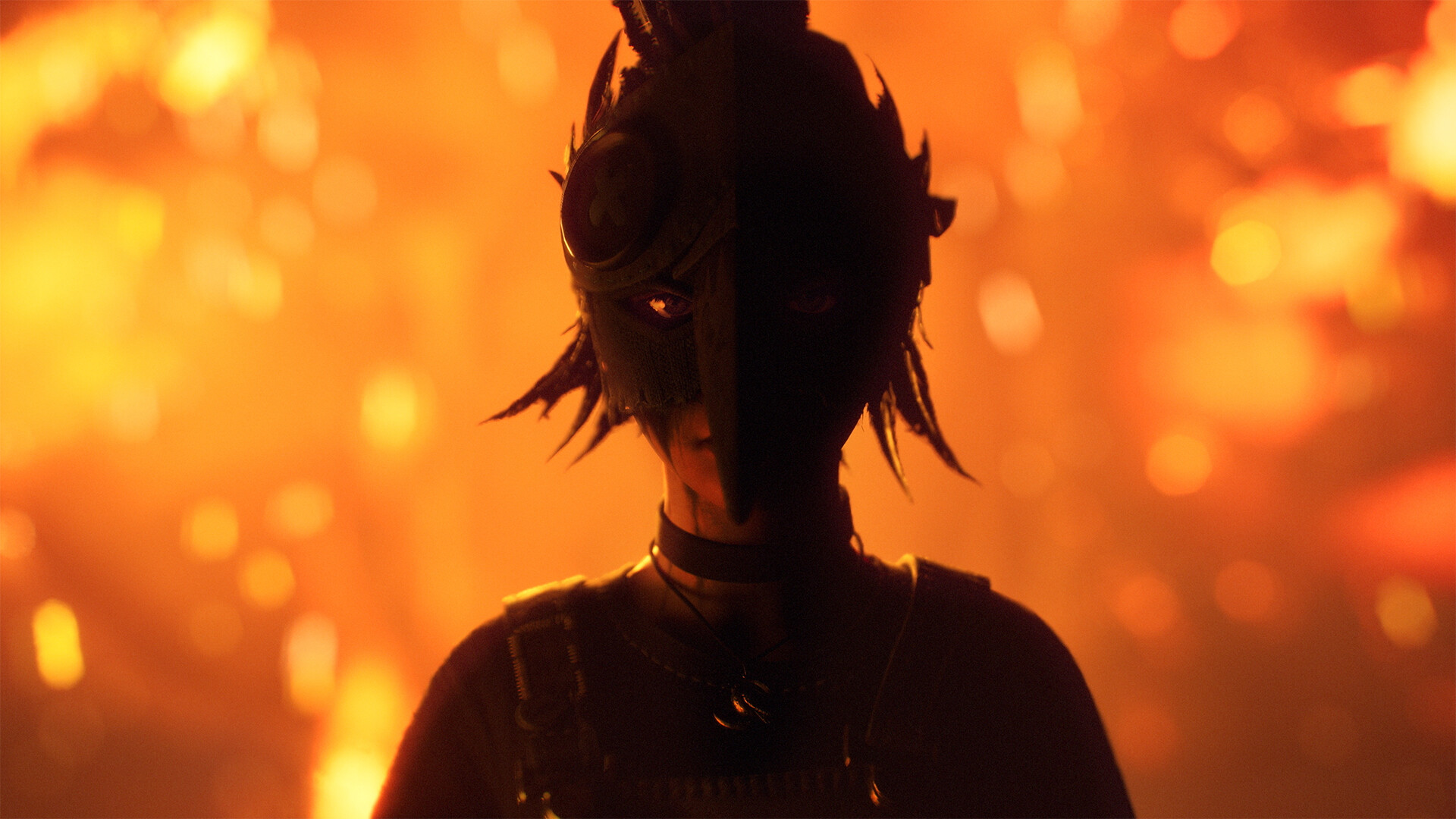
Lost Records: Bloom and Rage
Do you remember 1995? I do – and I wasn’t even alive.
I remember putting a videotape in the VCR and re-winding it, painstakingly, all the way back to the beginning. Why does no one ever wind the tapes back after watching them?
I remember the tight-knit group of friends, supposed to be like family, that didn’t work out. We were a band – or tried to be, anyway. That bass guitar sits untouched in the corner of my room – has for years.
I remember the childhood sweetheart I never had. Well, sometimes I thought I did – I thought, this is the one. But it was so gay, and so unspoken, and how are you supposed to know when you can’t speak?
I remember the smell of teen spirit – of rebellion. Everything was injustice, and every part of us wanted to destroy. You can still see it, there! in some of us. The others are almost unrecognisable now.
We were wrong about some things, and some things we see through rose-coloured glasses, but we were right about a lot. We were right about injustice, and about destruction… most of the time.
So remember – and riot.
“Israel” is barely a decade older than the first video game.
We love video games, but our love has a troubled past (which probably explains its even more troubled present). Video games were born of U.S. military research, and as they grew, they only served their twisted parent more and more.
No Games for Genocide wants to break this chain – to refuse this seemingly inevitable relationship between video games and imperialist violence. Our current priority campaign is to boycott Xbox, as called for by the Palestinian BDS (boycott, divestment, sanctions) movement.
If you love games, we’ve got some actions for you. Together, we can build a games industry by and for us – not for the people who profit from genocide.
So remember – and riot.
By Sara Khan
Recommended read: Yellowjackets and the Erotics of Eating your Friends
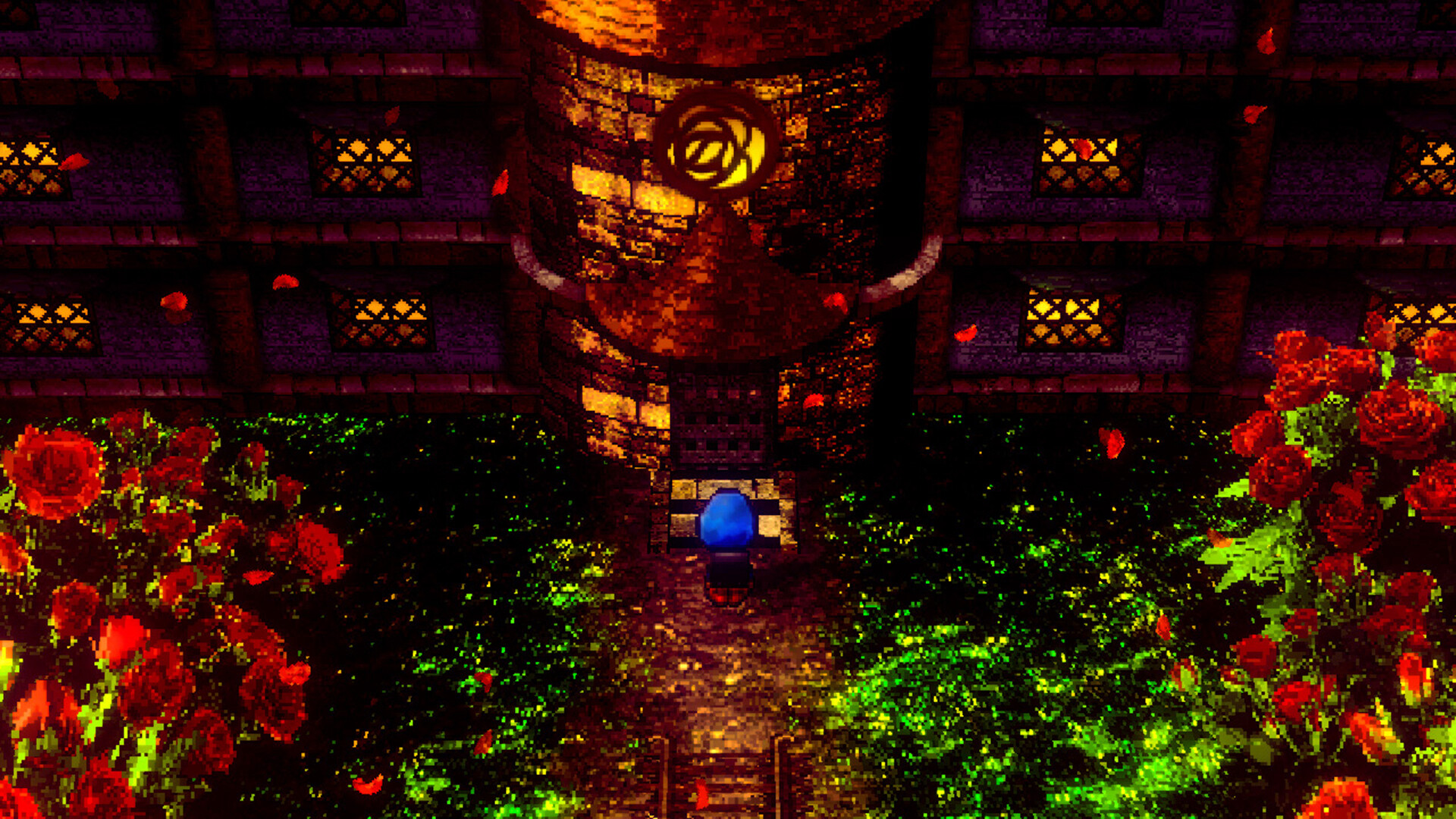
Stray Children
By Rebekah Valentine
Recommended read: ‘I Could Make “Fart Fart Boobie Fart: The Game” and Maybe It Would Eventually Get Taken Down’ – Devs Reveal Why the Consoles Are Drowning in ‘Eslop’
From the author: IGN is a union website! Our work is union-made! Solidarity forever with my colleagues in the IGN Creators Guild
Editor’s note: spoilers for the true ending of Stray Children to follow
In the true ending of Stray Children, the child protagonist (I named him Dog, for his dog-like appearance) finally meets his neglectful father. His father is dead. Dog has been chasing something like his ghost throughout the entire game, desperately trying to put together the literal pieces of his broken shape in an ultimately futile attempt to restore him. The pair share a brief conversation where the ghost father gets to apologize, and the son — far too young to have lost a parent — reckons with his grief at last, as best a child can.
I lost my father this year. And so I want to write something for you about the end of Stray Children. But every time I try, there’s a big, hollow space where the words should be. There’s a Something there, and I can’t get at it.
Perhaps it’s because apart from the deadness of their fathers, my situation and Dog’s could not be more different. My father was present in my young life, taking me to baseball games, waking me up at 6am sharp every day, even on the weekends, turning me into an insufferable morning person. We went on family vacations, ate meals together, shaped a normal life. He once tried to teach me to play tennis.
Another key difference is that Stray Children is about a child. A child’s perspective on grief and death and neglect, and of the unfair pressures put on them by adults: to be good, to be pretty, to be talented, to be perfect. But I am not a child. I am an adult. In Stray Children’s parlance, an Older.
I have tried to relate to Stray Children’s depiction of grief over dad death and I cannot. Instead, I am drawn toward the Olders, adults transformed into terrifying monsters by the weight of the horrors they have experienced. Some are self-inflicted: the consequences of evil actions twisted them into reflections of what was always in their soul. I relate more to the Olders who are just work-weary, lonely, grieving, afraid. They’re all plagued by the Something, an intangible, indescribable, and yet very literal darkness that’s waiting at the end of the road to swallow them up. They have buckled under the weight of it all, descended into the underworld, and morphed into creatures controlled by their negative emotions, lashing out at unsuspecting children, unable to move forward.
In Stray Children, the only way to rescue an Older from themselves is to have a child (Dog) whisper into their ears the correct sequence of words to break open the chambers of their heart and bring them long-awaited catharsis. Guess the correct sequence of dialogue, then whisper “Open Sesame” to set them free.
I’m far from a raging monster, but I can’t stop thinking about Stray Children’s depiction of adults as universally, desperately wanting this release: permission to grieve, understanding at last, forgiveness, catharsis. I want that too. I stave off the Something with therapy, friends, hobbies, self-care. I do what everyone says I should, to help with grief. But we’re seven months past the day I found my father dead in a hotel room — a sad, pathetic, lonely, ignoble death for a man who let the Something consume him. There has yet to be an Open Sesame moment for me. No anger bursting forth, no tears streaming down my face.
All I can think of, and all I can get from Stray Children, is to try again. Stray Children’s false ending, which most players will inadvertently fall into, is a loop that sends you back to the start of the game and forces you to do it all again if you want that final moment of catharsis for yourself. I can only try again, try again, try again, to find that tiny crack in the wall of my own heart, and hope it leads to a better answer.

3 replies on “Stories of 2025”
[…] have once again contributed to Into the Spine’s year-end wrap-up, where a ton of great writers briefly discuss a game they played this year, helping to close out […]
[…] the latest releases and carve out time for something I’d wanted to get around to for years: Earthbound. I had just gotten my Switch 2 and—knowing I would enjoy a lengthy honeymoon phase in which my […]
[…] the latest releases and carve out time for something I’d wanted to get around to for years: Earthbound. I had just gotten my Switch 2 and—knowing I would enjoy a lengthy honeymoon phase in which my […]